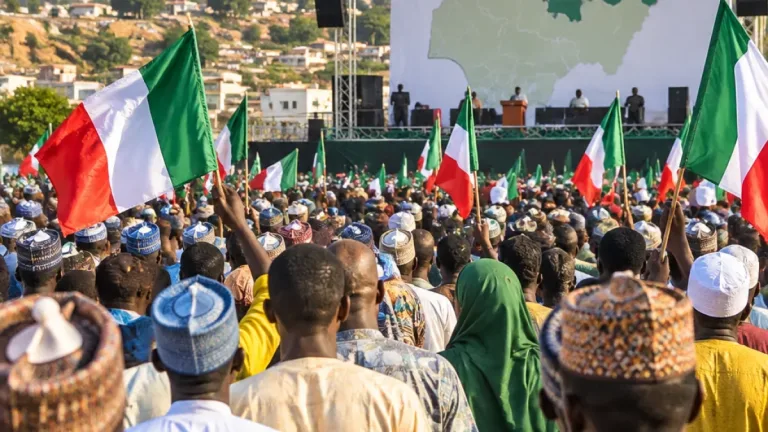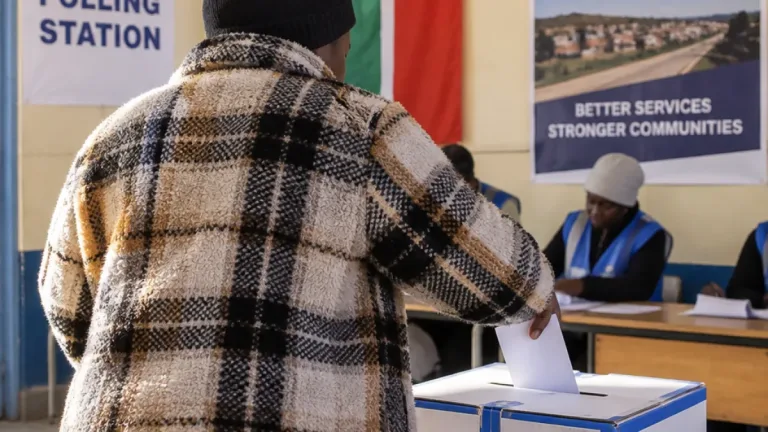
US voters are heading to polling stations on 3 November 2026 in midterm elections that will decide whether Republicans retain control of Congress, amid sustained efforts by President Donald Trump and his administration to influence election procedures and undermine confidence in the outcome.
The final day of voting follows a substantial increase in early participation. Millions of Americans had already submitted ballots before Election Day, with turnout on course to surpass the level recorded during the previous midterm elections. Despite the political tension and repeated claims of electoral misconduct, voting had proceeded with relatively few reported problems.
Election doubts shaped the campaign
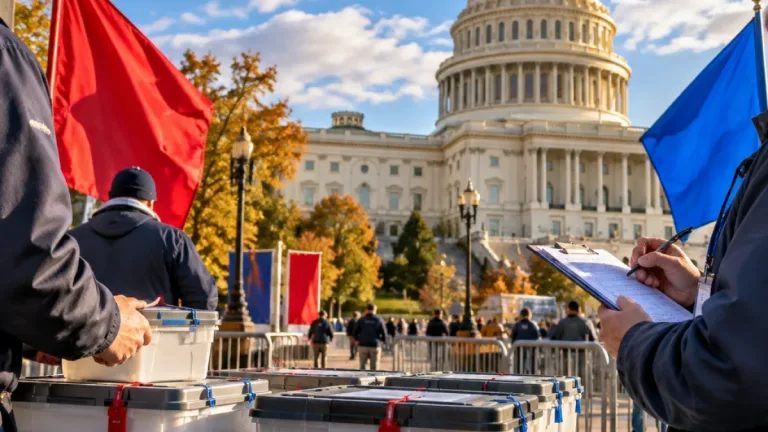
Trump has spent the past year using the authority of the presidency to intervene in the way states administer elections. His repeated and unsupported claims of widespread fraud have prompted election officials and Democratic organisations to prepare for possible disruptions at voting sites, including the presence of immigration agents or federal officials taking control of voting equipment.
The administration has maintained that armed federal officials would not be deployed to protect polling stations. At the same time, the Justice Department and the Department of Homeland Security have pursued a broad investigation into voters alleged to be in the United States illegally. That campaign included a highly publicised operation before dawn in California, which resulted in more than two dozen arrests.
The Justice Department also planned what was described as its largest-ever effort to monitor polling places on Election Day. Democratic groups and allied organisations prepared a larger counter-operation, reflecting the competing concerns surrounding federal involvement in the vote.
Courts block key administration moves
Several of the administration's most controversial legal initiatives have been stopped or limited by the courts. The Supreme Court on Monday rejected an attempt to require California to put aside thousands of ballots as part of the search for voters who are not US citizens.
The decision was among a series of setbacks for the administration's efforts to shape state election processes. The source report also noted that the administration had urged legal action in Alaska to prevent certification of the state's results if the Senate contest there favoured Democrats. That effort was part of a wider pattern of attempts to use litigation and federal authority to affect how votes are counted and certified.
What is at stake
The elections will determine whether Trump's Republican Party keeps its control of Congress. That outcome will affect the administration's ability to advance its legislative agenda and shape the level of opposition it faces in Washington. The vote is therefore being watched not only as a test of the president's political standing, but also as an indication of whether election administration can remain insulated from presidential pressure.
- Control of Congress: the election will determine whether Republicans retain their hold over the legislature.
- Early voting: participation before Election Day was on track to exceed the previous midterm total.
- Election oversight: federal monitoring plans and competing Democratic mobilisation efforts have intensified scrutiny at polling places.
- Legal challenges: courts have blocked major administration attempts to influence ballot handling and result certification.
For voters, the immediate test is whether polling stations can operate without the disruption suggested by months of political warnings. For election officials, the challenge extends beyond the count itself: they must also communicate credible information while dealing with claims that have already encouraged preparations for federal intervention and possible confrontations at voting sites.
The early voting figures point to strong public engagement, while the relatively limited problems reported so far provide a contrast to the administration's rhetoric. The final result, and whether it is accepted across the political system, will determine the next phase of the contest over electoral authority in the United States.