Participation placed at the centre of local government
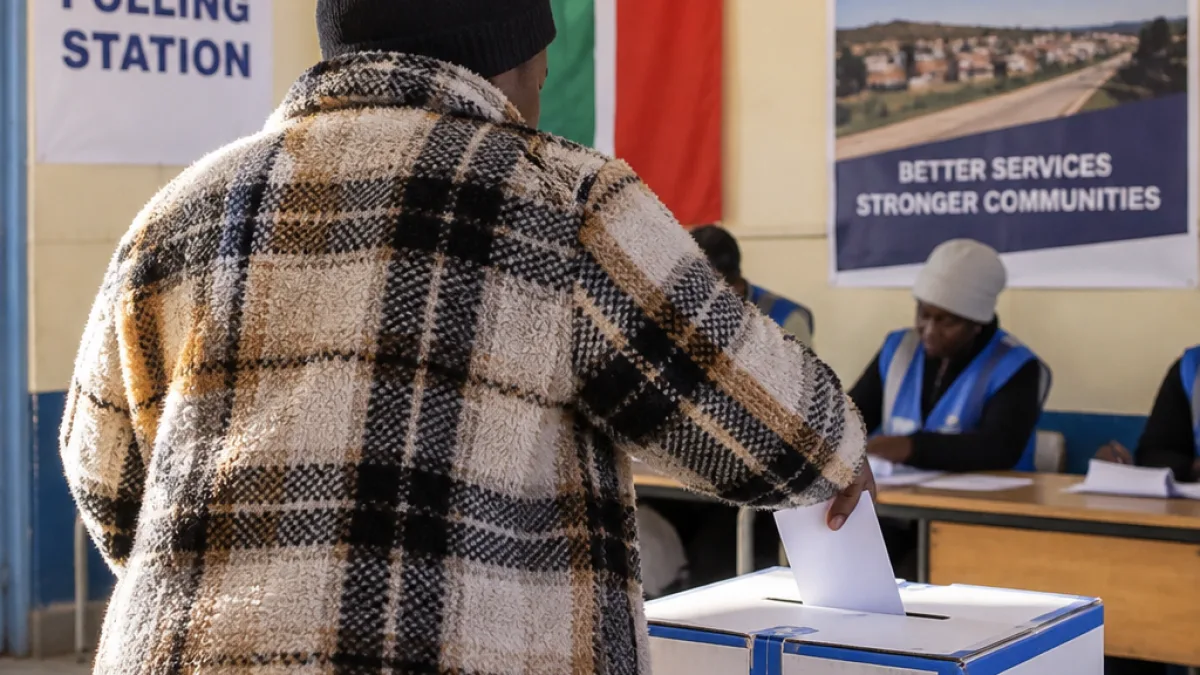
Residents of Mthatha are among millions of South Africans being urged to participate in the Local Government Elections on 4 November 2026, with the national government emphasising the role of voters in determining the quality and direction of municipal leadership. The appeal comes from Cooperative Governance and Traditional Affairs Minister Velenkosini Hlabisa, who said the ballot was an important instrument for communities seeking responsive and accountable government.
Hlabisa said 29.2 million registered voters were being called on to cast their ballots. He described voting as more than a personal entitlement, linking it to the constitutional responsibilities of citizens and to the ability of communities to influence decisions that affect their daily lives. For people in Mthatha, the election provides an opportunity to assess the local leadership they want to represent their interests and oversee municipal administration.
“Your vote matters because it helps shape the future of local government and the communities we all call home,” Hlabisa said.
The minister said the election of councillors and municipal leaders should be based on the confidence communities have in those representatives. His argument places the emphasis not only on participation on election day, but also on the standard of leadership expected after the votes have been counted. Municipal representatives are meant to remain answerable to residents and to work in the interests of the communities they serve.
Services and accountability at local level
Municipalities are the level of government closest to residents. According to Hlabisa, they interact with communities regularly, respond to local priorities, provide essential services and support development and economic opportunities in the areas where people live. That proximity makes the local vote significant for households and neighbourhoods whose concerns must be carried into municipal decision-making.
The minister’s message also connects the election to the broader challenge of building municipalities that function effectively. He said local government should be shaped by residents’ needs and aspirations, while remaining committed to improving service delivery and quality of life. The call is therefore directed at both voters and the leaders they elect: communities must participate, while municipal administrations and councillors must act on the mandate they receive.
- Election date: 4 November 2026
- Registered voters cited by CoGTA: 29.2 million
- Central issue: accountable, effective and responsive municipal government
Hlabisa said active public involvement was necessary for the development of capable and functional municipalities. This includes choosing representatives, but also maintaining interest in municipal performance beyond the election. His comments frame citizenship as an ongoing role in local government, where residents are expected to take an interest in whether elected leaders and municipal administrations fulfil their responsibilities.
What the vote means for communities
The minister’s appeal is underpinned by the theme “Every Municipality Must Work”. It presents the next term of local government as a shared responsibility involving elected office-bearers, municipal officials and the communities they serve. The message does not remove the obligations of public representatives; instead, it stresses that oversight and participation are necessary if residents are to influence how local government operates.
For Mthatha voters, the appeal places the focus on informed participation and the importance of selecting leaders who can be held accountable to the people who elect them. The ballot offers residents a formal way to express their priorities and determine who should represent them in municipal structures. The effectiveness of that mandate will ultimately depend on whether elected leaders and administrations respond to community needs and work towards the improved local government described by CoGTA.