
About one in four Limpopo voters who applied for special votes through home visits could not be reached when Electoral Commission of South Africa (IEC) officials arrived, raising concerns about whether some vulnerable voters were able to participate in the local government elections.
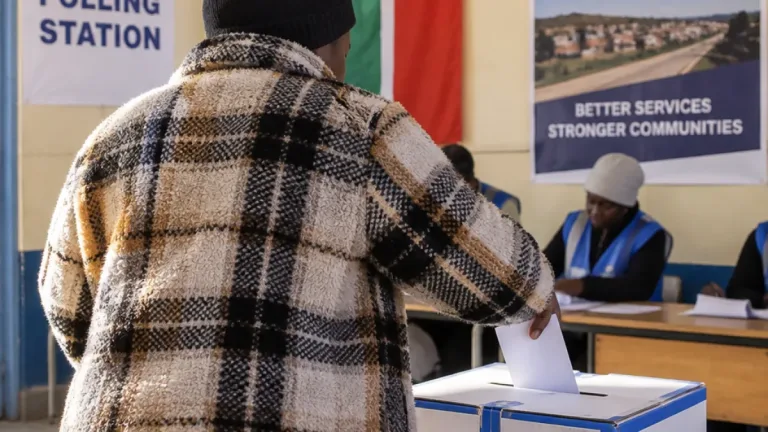
The IEC in Limpopo said the unsuccessful visits formed part of the main findings from the two-day special-voting period held on Monday and Tuesday, ahead of Election Day on 4 November 2026. More than 202,000 special votes were recorded across the province during the process.
Home visits affected by absent voters
IEC Limpopo spokesperson Simon Thobakgale said officials carried out 81,136 home visits. In some instances, the registered voter was not at the address when the election team arrived. In other cases, voters did not know that a proxy had submitted a special-vote application on their behalf.
The commission’s figures indicate that the difficulty was not limited to access problems at voting stations. A home-visit special vote depends on the voter being available at the registered address and on the application being properly understood by the person concerned. Where either of those conditions was absent, officials could not complete the visit.
The IEC did not provide the total number of home-visit applications against which the 25% figure was calculated. The available figures therefore do not establish how many individual voters were ultimately unable to cast a special vote, but they do show the scale of the logistical challenge across Limpopo.
| Special-voting activity | Number recorded |
|---|---|
| Home visits conducted | 81,136 |
| Special votes at voting stations | 121,355 |
| Total special votes across Limpopo | More than 202,000 |
Commission reports generally smooth process
Despite the failed home visits, the IEC said it was satisfied with the overall administration of special voting. The commission reported that all affected voting stations opened and remained operational throughout the two-day period.
“The two days have provided valuable operational experience,” Thobakgale said.
That assessment comes as election officials manage a province-wide process involving voters who require assistance because they cannot travel to a voting station, as well as people who cast special votes at voting stations before the main poll. The experience gained during the special-voting period is expected to inform the IEC’s handling of remaining operational problems on Election Day.
Security concerns at warehouses and schools
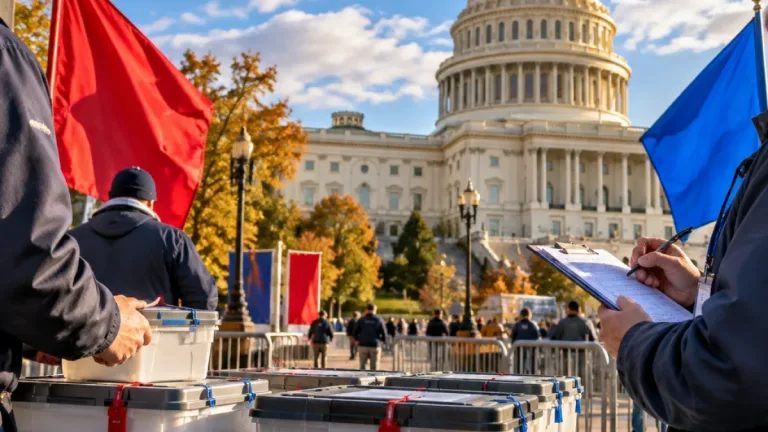
The commission also reported attempts by some political parties to place their own security personnel at certain IEC warehouses. Thobakgale said the warehouses were restricted areas and that access was controlled through established security procedures.
The presence of unauthorised or party-linked security personnel at facilities holding electoral material could complicate the chain of control around election supplies. The IEC’s position is that access to those sites must be determined by its security protocols rather than by individual political parties.
Several schools being used as voting stations in the Musina A and Musina B voting districts were also broken into. The IEC said no electoral material was stolen because election supplies had been kept in secure facilities. The incidents nevertheless add pressure to the security arrangements around public buildings being used for the poll.
Storms disrupt temporary stations
Storms in parts of the Makhuduthamaga Local Municipality affected temporary voting stations housed in tents. The report did not indicate that the disruption stopped special voting across the municipality, but weather-related damage or access difficulties remain a practical risk for election officials and voters using temporary facilities.
For communities that rely on tented stations, the condition of the voting site can directly affect whether residents are able to reach and use the facility. The weather problems underline the importance of clear communication about any changes to voting arrangements, particularly where residents may already face long distances or limited transport options.
- Voters who need election assistance should confirm the location and operating status of their voting station with the IEC.
- Residents should not enter restricted IEC warehouses or interfere with election materials.
- Any security or access concern at a voting station should be reported to election officials or the relevant authorities.
The IEC said it was ready for Election Day. The immediate test will be whether the commission can maintain access for voters across Limpopo while addressing the operational issues identified during special voting, including unavailable home-visit applicants, security at electoral facilities and weather-related problems at temporary stations.