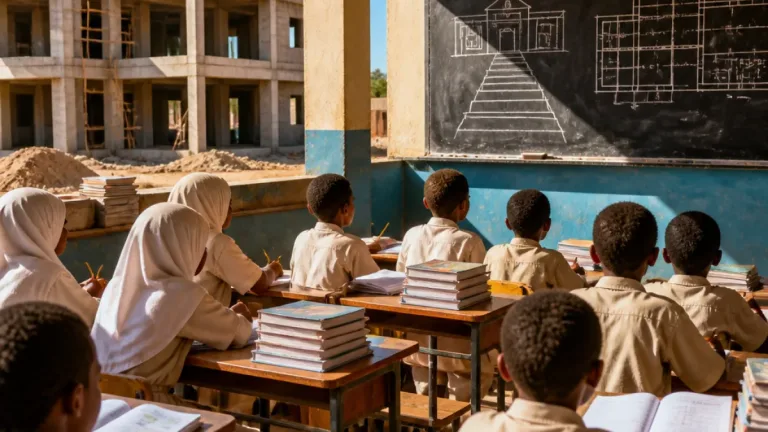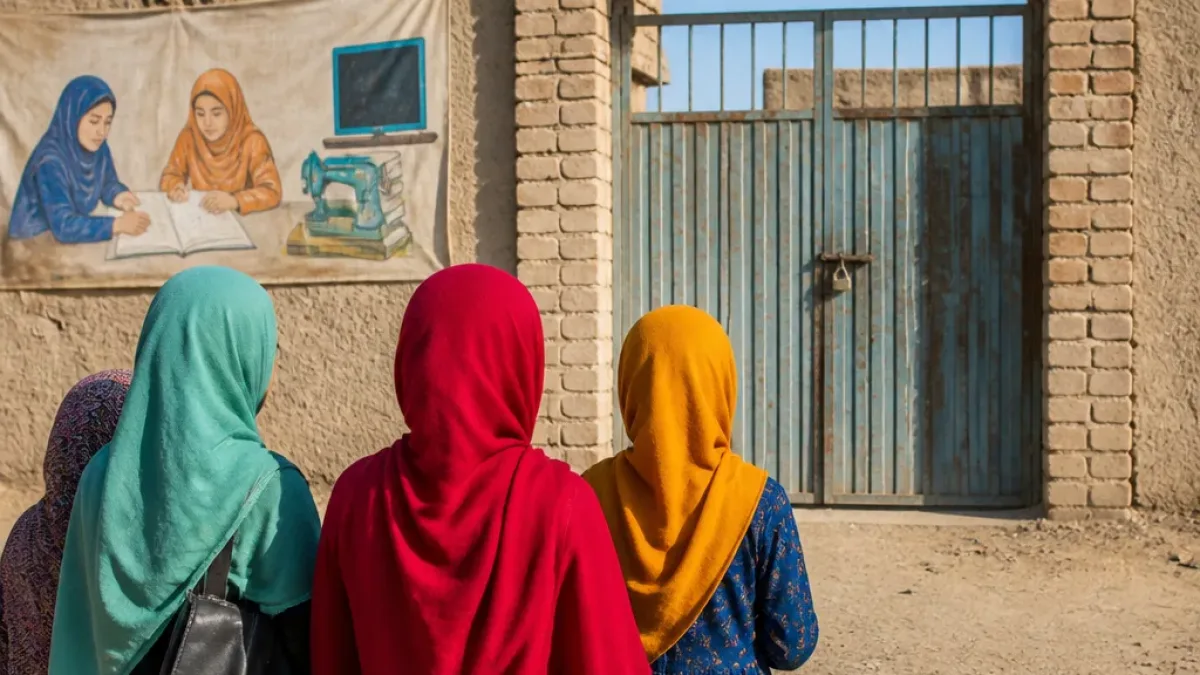
Some 2.5 million Afghan girls have been denied access to secondary education since the Taliban’s return to power in August 2021, US Ambassador to the United Nations Mike Waltz said on Thursday, underscoring the long-term consequences for the country’s human capital and prospects for peace.
Waltz frames education ban as a strategic loss
Speaking at a UN meeting on children and armed conflict, Waltz cited UNICEF figures that quantify the scale of the exclusion. He warned that barring girls from secondary school risks depriving Afghanistan of future doctors, teachers and civic leaders, a view he linked to his own experience working with Afghan communities.
Waltz recounted meeting an elder in eastern Afghanistan who was secretly arranging schooling for his daughters. The elder told Waltz that his daughters were his "secret weapon" against extremism, a claim the ambassador said demonstrated how access to education can undercut violent ideologies and broaden social opportunity.
“He was right,” Waltz said, arguing that access to education and opportunities for women can help challenge extremist ideologies and reduce their ability to recruit followers.
Humanitarian and development consequences
The return of the Taliban to power in August 2021 has been followed by a suite of restrictions on women and girls’ freedoms. According to the reporting, girls are now barred from attending secondary schools, and women face broad limits on education, employment and public participation.
Waltz drew on the example of Nobel Peace Prize laureate Malala Yousafzai to underscore his point that extremist movements often seek to deny girls education because it undermines their ideological control.
- Immediate impact: Denial of secondary schooling for millions of girls halts progression into higher education and skilled vocational pathways.
- Sectoral loss: Potential shortages of trained professionals such as teachers, nurses and doctors over the medium to long term.
- Security and governance: Reduced opportunities for women erode inclusive governance and may hamper community resilience against extremist recruitment.
Data at a glance
| Indicator | Figure / period |
|---|---|
| Girls denied secondary education | 2.5 million since August 2021 |
The reporting does not provide more granular age or regional breakdowns. Nor does it detail the precise mechanisms used to enforce the ban across different provinces; however, the broader pattern of restrictions on women’s public life has been widely reported by international agencies.
Implications for international policy and aid
Waltz framed investment in girls’ education as a strategic tool to counter extremism and build lasting peace, arguing that opportunities for women can shift social norms and reduce militant recruitment. His remarks place the Afghan education crisis squarely within debates on humanitarian access, conditional engagement and long-term state rebuilding.
For donors and UN agencies, the scale of exclusion poses difficult operational questions: how to sustain learning opportunities and skills training when formal secondary schooling is blocked, and how to support pathways for girls into health, education and civic roles in the absence of recognised qualifications.
While the United States and other international actors continue to highlight the educational restrictions in diplomatic forums, the reporting does not outline immediate remedies that have been accepted by the de facto authorities in Kabul.
The warning from the UN floor signals a broader concern among international observers that the current policies risk producing a lost generation, with consequences that will extend beyond Afghanistan’s borders if left unaddressed.
Policy makers, humanitarian agencies and educational planners will need to consider alternative mechanisms—non-formal learning, remote or community-based programmes and targeted vocational pathways—to mitigate the damage while keeping advocacy for full schooling on the international agenda.