Education unions, private schools and parent groups in Kenya are calling for changes to seven bills aimed at reforming the country’s education system, raising concerns about student funding, teacher regulation, university finances and the administration of private schools.
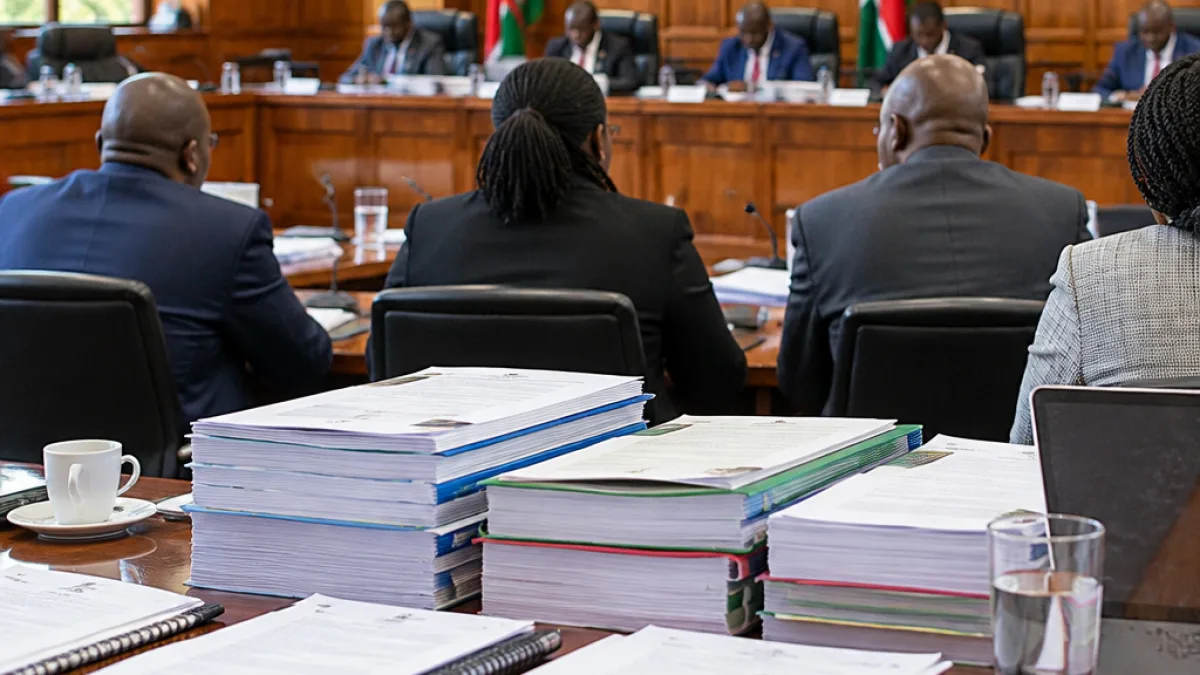
The proposals are being considered through public consultations involving the National Assembly’s Education Committee. The reform package reaches across several parts of the education system, from basic schooling and curriculum development to university funding, technical and vocational training, national assessment and the registration of educational qualifications.
Funding and repayment at the centre of the dispute
The most prominent disagreement concerns the bill dealing with tertiary education funding and the placement of students in universities and technical and vocational education institutions. The University Academic Staff Union has argued that the proposal gives too much attention to financing individual students while not sufficiently addressing the financial and institutional pressures facing universities.
The union has called for a broader assessment of the proposed system. That review would need to consider the cost of supporting students as well as the existing needs of public universities. The concern is that a funding model focused mainly on student finance may not fully account for the resources required by institutions to provide teaching, administration and other services.
The bill provides for a new Tertiary Education Funding Authority, known as TEFA. The authority would bring together the functions of the Higher Education Loans Board, the Universities Fund and the Technical and Vocational Education and Training Funding Board.
UASU has proposed that union representatives should have seats on the boards of both TEFA and the Kenya Universities and Colleges Central Placement Service. The proposal would give organised academic labour a formal role in bodies responsible for funding and student placement.
Unemployment concerns over loan repayments
UASU and the Kenya Union of Post-Primary Education Teachers have also criticised a provision requiring graduates to begin repaying education loans within one year of completing their studies. They want repayments to be linked to employment or a stable income rather than to the passage of time alone.
The unions are further seeking a grace period for graduates who are unemployed or underemployed. Their position places the question of affordability at the heart of the proposed reforms: graduates may leave tertiary education with loan obligations before they have secured work capable of supporting regular repayments.
| Reform area | Issue raised during consultations |
|---|---|
| Tertiary funding | The financial needs of universities and the cost of student support |
| Loan repayment | Whether repayment should begin before a graduate has employment or stable income |
| Governance | Possible representation for education unions on funding and placement bodies |
| Education regulation | Rules covering teachers, assessment, qualifications and private schools |
Teachers and private schools seek amendments
The Kenya Union of Technical and Vocational Education Trainers has also raised questions about funding. It has said support should reflect the actual cost of training across different specialisations. That proposal recognises that the resources required to deliver technical and vocational education may differ according to the nature of the training being provided.
Private schools, parent groups and education unions are participating in the consultations because the bills would affect more than government institutions. The package includes measures connected to the registration of private schools, the training of teachers, the governance of schools and the assessment of learners.
- Basic education: proposed changes to the administration and governance of schools.
- Teacher policy: reforms involving teacher training and the Teacher Service Commission.
- Assessment and qualifications: changes involving national assessment and the registration of educational qualifications.
- Post-school education: new arrangements for funding and placing students in universities and technical and vocational institutions.
The package also includes bills concerning the Kenya Institute of Curriculum Development and the National Education Assessment Council. Together, these measures would place curriculum, assessment and teacher-related institutions within a wider reform process.
The public consultation process gives affected groups an opportunity to challenge provisions before the legislation advances. The disagreements already raised suggest that the final shape of the reforms will depend not only on the government’s objective of reorganising education, but also on whether the proposed system is financially sustainable for institutions and accessible to students.
For families and learners, the most immediate concern is likely to be how the changes affect access to further study and the cost of education. For universities and training institutions, the central question is whether funding arrangements will meet their operational needs. The debate over the seven bills therefore combines questions of governance, affordability and accountability across Kenya’s education system.