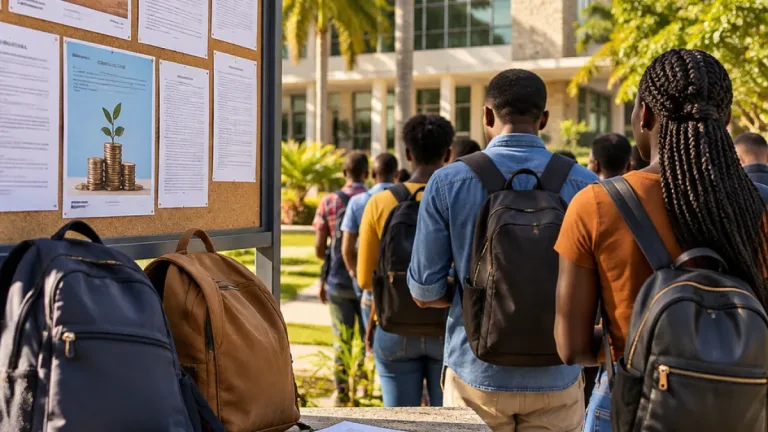
Students today may attend lectures, join online tutorials and message peers across multiple platforms, yet still experience a profound sense of isolation from their academic communities. Academic loneliness — a disconnection from classmates, teachers and the learning process — is becoming increasingly common as education shifts online, an analysis in The Hindu reported.
From constant connectivity to quiet isolation
The article describes how rapid expansion of digital learning has expanded access to information but reduced the informal, unstructured interactions that help build academic belonging. Casual conversations before and after classes, study groups in libraries and spontaneous discussions during breaks have traditionally helped students form peer bonds and access informal academic support. According to the report, when learning becomes primarily screen-based, these serendipitous encounters occur far less often, leaving many students feeling that they are navigating their studies alone.
How academic loneliness develops
The piece identifies several interlocking contributors:
- Loss of informal contact: fewer corridor conversations and shared campus moments reduce opportunities for peer support and mentorship.
- Competitive academic culture: high-stakes assessments, placement pressures and ranking systems can make students view peers as competitors rather than collaborators.
- Social media dynamics: constant exposure to curated success stories can deepen perceptions of being behind or inadequate.
Consequences for learning and wellbeing
The article warns that academic loneliness has effects that go beyond emotional discomfort. Students who feel disconnected are often less likely to participate in class discussions, seek guidance from tutors, or engage in collaborative learning. Over time this can lead to:
- reduced confidence and motivation;
- lower engagement with coursework and fewer help-seeking behaviours;
- diminished creativity and problem-solving capacity;
- a potential decline in academic performance and overall satisfaction with university life.
| Driver | Impact on students |
|---|---|
| Screen-based learning | Fewer spontaneous social interactions, weaker peer networks |
| Competitive culture | Reluctance to ask for help, social comparison |
| Social media | Skewed perception of peers' success, increased isolation |
While the article focuses on the causes and consequences, the implications for South African higher education are clear: student support strategies that assume traditional campus life or rely solely on formal online provision are unlikely to address this quieter form of disengagement.
What this means for institutions and policy
Universities and colleges aiming to safeguard student success need to consider how digital and blended models can preserve — or recreate — the informal social structures that foster belonging. That includes creating spaces, online and on campus, where low-stakes interaction is encouraged and where students can form study networks and peer-support arrangements without fear of judgement.
Policy makers and senior managers should also recognise that loneliness is not merely a welfare issue but a learning issue. Reduced participation and help-seeking can undermine pedagogical goals and affect throughput and retention, outcomes that remain priorities across the sector.
Finally, the piece highlights that social media and competitive pressures shape student perceptions of success. Institutions may therefore need to pair academic and mental-health interventions with practical programmes that normalise struggle, model help-seeking behaviour and promote collaborative learning cultures.
According to the report, addressing academic loneliness requires attention to both the design of digital learning environments and the broader campus cultures in which students form identities as learners.