Education authorities in Eritrea’s Northern Red Sea Region are preparing to expand services during the 2026/2027 academic year after more than 85,000 students received education during the previous school year.
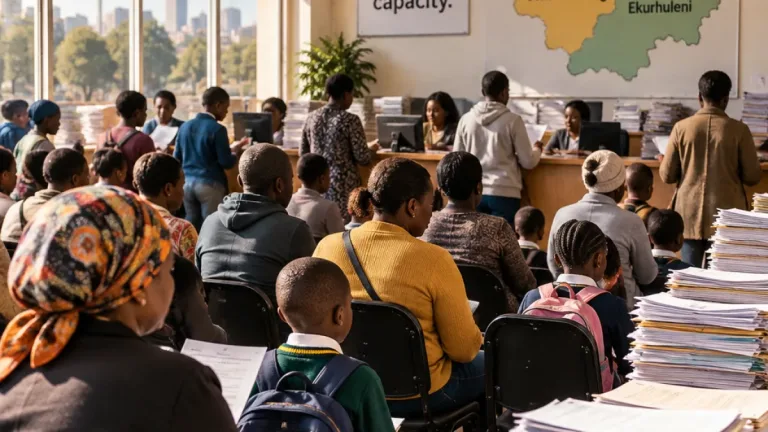
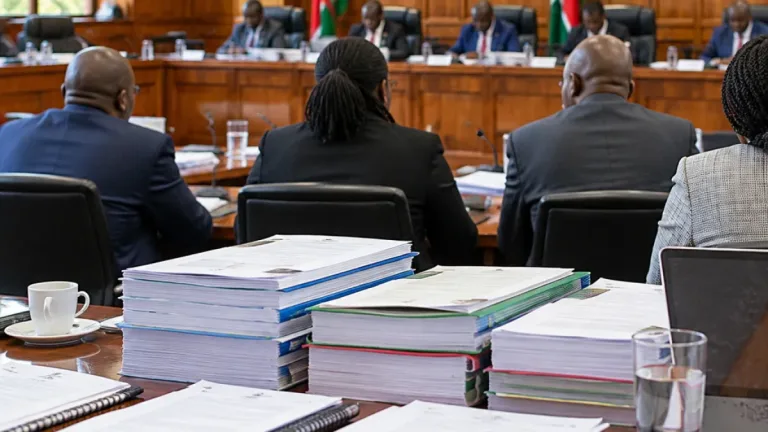
The regional branch of the Ministry of Education held a two-day meeting on 26 and 27 October 2026 to assess the implementation of its 2025/2026 programme and consider priorities for the year ahead. Representatives from relevant partner institutions participated in the discussions, which included recommendations on teacher training, learning materials and the expansion of facilities.
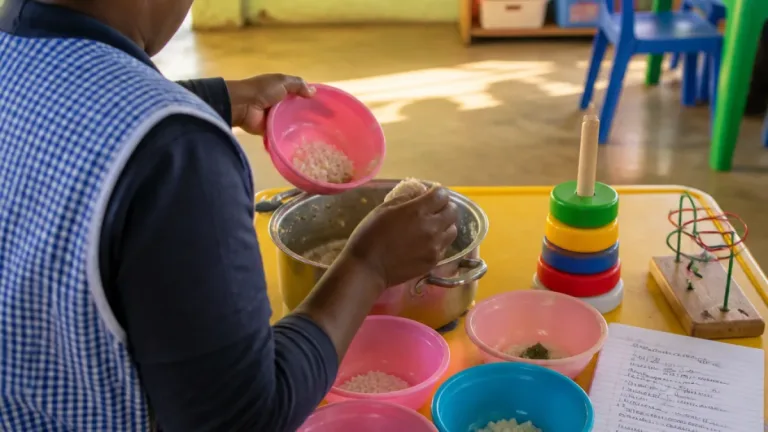
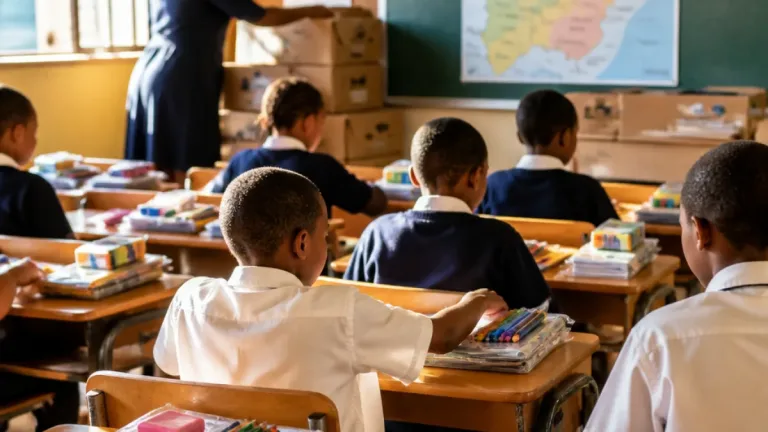
According to a report presented at the meeting, education services were provided at about 829 schools across the region during 2025/2026. A further 225 pre-schools were established with participation from communities and members of the defence forces, reflecting an effort to broaden access before children enter formal schooling.
Access and participation remain priorities
The meeting placed particular emphasis on increasing the enrolment of girls. The report called for more active involvement from communities, school communities and administrations at every level to support female learners’ participation in education.
The focus on girls’ enrolment places community involvement alongside the formal work of schools and education authorities. The report did not provide a separate figure for female enrolment, but identified improved participation by girls as an area requiring continued action during the next academic year.
“Efforts to expand educational services across the region ... are yielding promising results.”
That assessment was made by Reshid Mohammed-Osman, head of the regional education office. The meeting also recognised that access to schooling remains linked to the region’s geography and the availability of infrastructure.
Teacher capacity and resources
Participants adopted recommendations calling for capacity-building training for teachers and measures to address shortages of school materials. These priorities point to challenges that extend beyond the number of schools available. Expanding access requires educators who are adequately supported, as well as textbooks and other materials needed for classroom teaching.
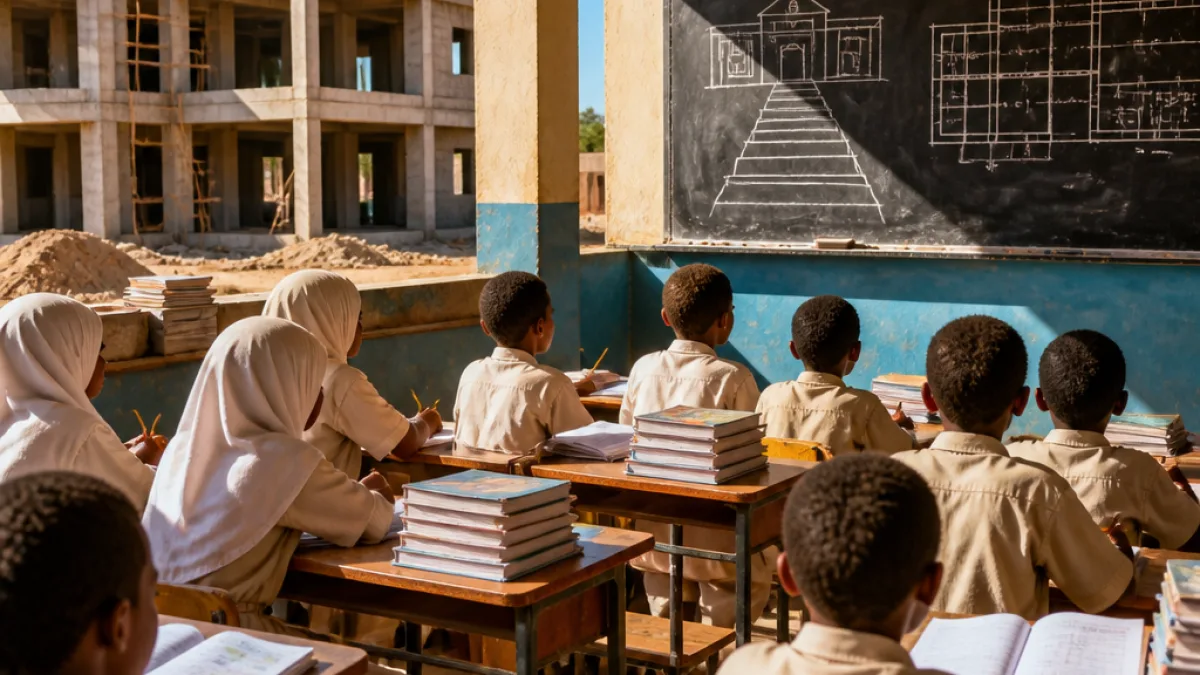
The report also noted that the region’s size and terrain require substantial investment in educational facilities. Asmeret Abraha, governor of the Northern Red Sea Region, commended teachers, education institutions, administrators and members of the defence forces for their contribution to expanding services.
| Education indicator | Reported figure or period |
|---|---|
| Students served | More than 85,000 |
| Schools operating | About 829 |
| Pre-schools established | 225 |
| Reporting period | 2025/2026 academic year |
Planning for 2026/2027
The meeting’s recommendations provide a framework for the next academic year, although the report did not set out a new enrolment target or specify how many additional schools are planned. It also did not give a cost estimate for the infrastructure work required across the region.
The immediate priorities identified at the meeting are:
- expanding education services in a region affected by its large size and difficult terrain;
- improving the enrolment of girls through stronger community and administrative participation;
- providing professional development for teachers; and
- reducing shortages of school materials.
Halima Mohammed of the Ministry of Education briefed participants on the ministry’s future programmes. The meeting’s outcome places the Northern Red Sea Region’s education plans within a broader programme of service expansion, while leaving implementation dependent on investment, teacher preparation and the continued participation of local communities.