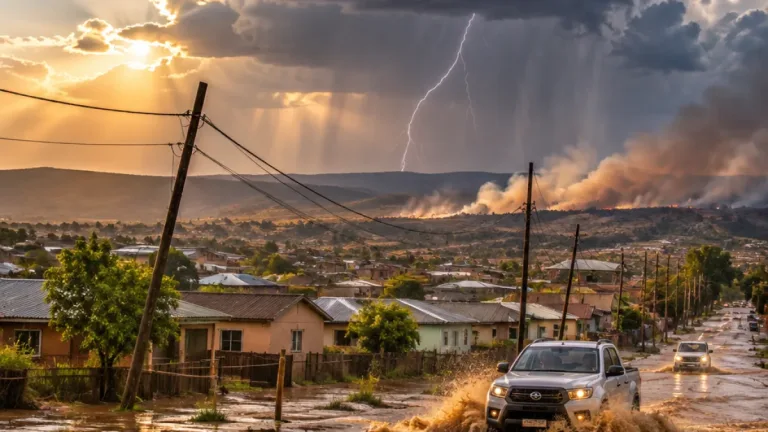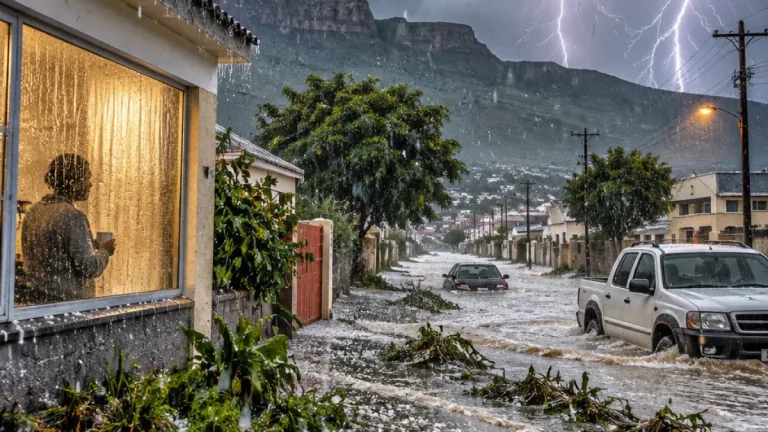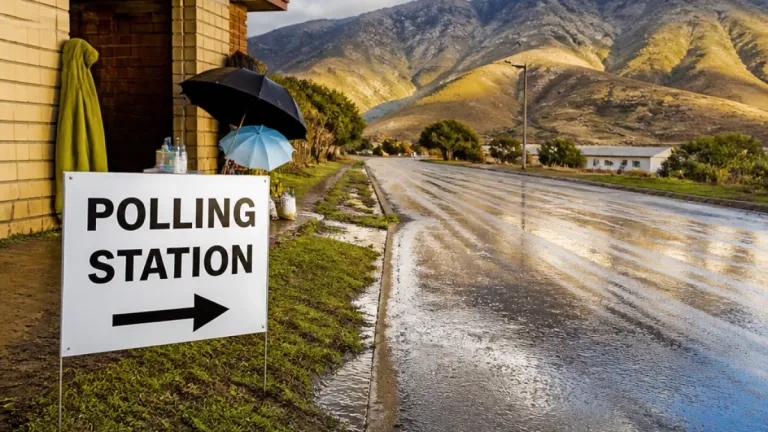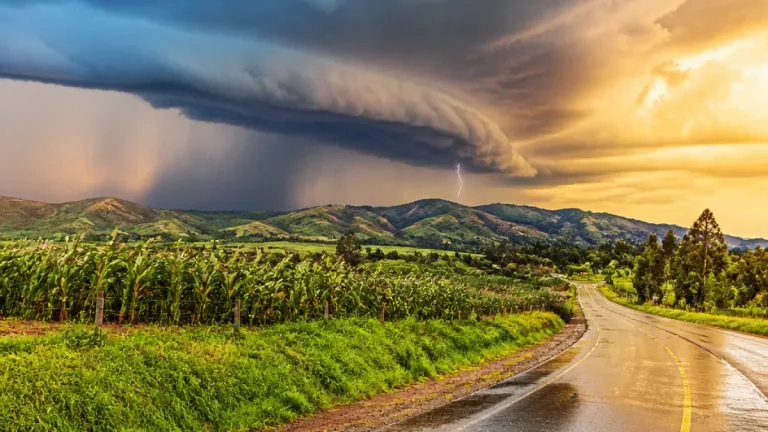
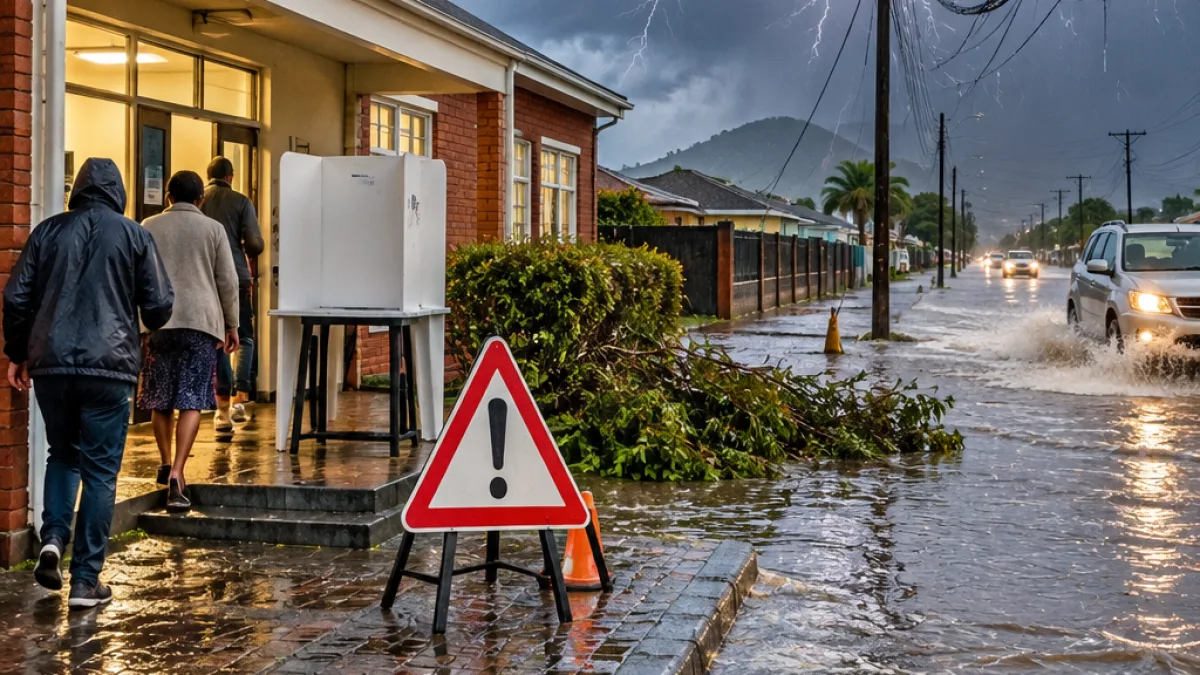
Severe thunderstorms could disrupt electricity and communications in parts of four provinces as South Africa’s special voting period gets under way. The South African Weather Service (SAWS) has issued a Yellow Level 1 warning, covering areas of Gauteng, the Free State, Mpumalanga and the Eastern Cape.
The alert applies as special voting takes place on 2 and 3 November 2026, before the main voting day. SAWS has cautioned that intense storms may bring localised flooding, damage to property and temporary structures, as well as short-lived interruptions to power and communication networks.
Areas included in the warning
The warning is geographically focused rather than covering the whole country. The affected areas listed by SAWS are:
- Southern parts of Gauteng;
- Eastern parts of the Free State;
- The extreme south-western parts of Mpumalanga; and
- The extreme north-eastern escarpment areas of the Eastern Cape.
| Area | Possible weather-related concern |
|---|---|
| Southern Gauteng | Severe thunderstorms, flooding and service interruptions |
| Eastern Free State | Storm damage and possible disruptions to power or communications |
| South-western Mpumalanga | Thunderstorms, heavy rain and localised impacts |
| North-eastern Eastern Cape escarpment | Storm-related flooding and infrastructure damage |
Voting operations are not confirmed to be affected
SAWS has not stated that voting stations will be unable to operate, and the warning does not mean that every community or polling venue in the listed areas will experience problems. It indicates that conditions may create localised risks, particularly where storms are strong enough to affect infrastructure.
More than 2.6 million applications for special voting have been approved by the Electoral Commission of South Africa. These include people who will cast ballots at voting stations and those who qualify for visits at home. Any interruption to electricity or communications could create practical difficulties for voters, election officials and people relying on mobile networks for information, although no outages have been confirmed in connection with the warning.
How storms can affect essential services
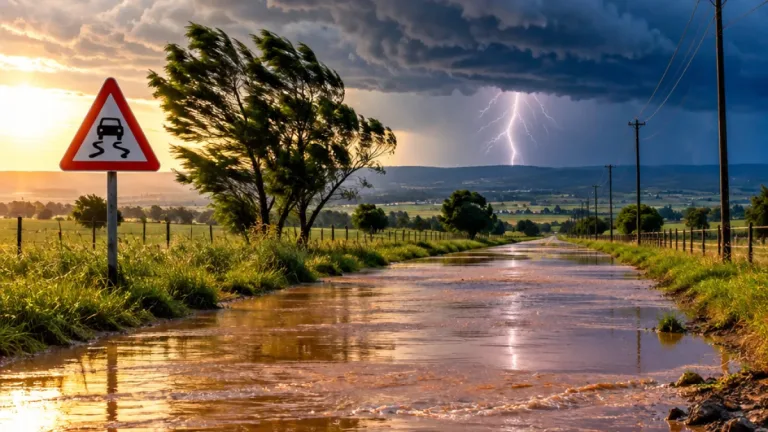
Lightning can damage electrical equipment, while powerful winds may bring down trees or power lines. Intense rain can also flood electrical installations. Damage to network infrastructure may interrupt mobile communication services, making it harder for residents to contact service providers or receive updates.
These are potential impacts identified in the weather warning, rather than a report that failures have already occurred. The most exposed communities will need to remain alert to rapidly changing conditions, especially if heavy rain develops near travel routes or voting facilities.
Advice for voters and residents
Voters in the affected areas should check the latest SAWS forecasts and warnings, as well as announcements from the IEC, before setting out. Municipal updates may also provide information about local conditions or service interruptions. Residents who lose electricity or communications should report the problem to the relevant service provider.
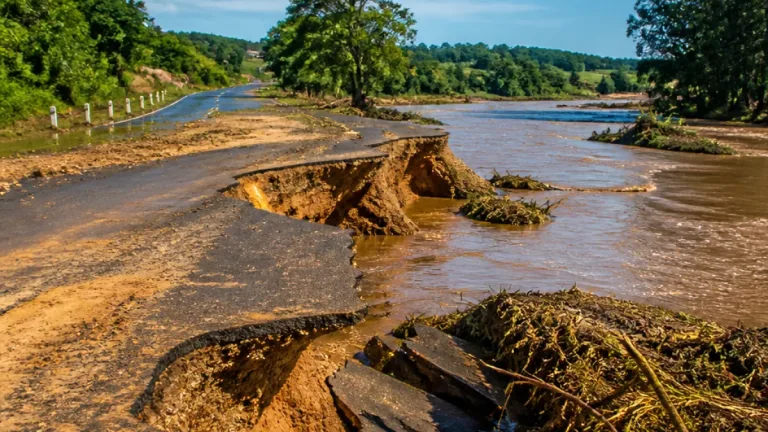
Allowing additional travel time may be prudent where thunderstorms are expected. Wet conditions can make roads more hazardous, while localised flooding may affect access to certain areas. People should also avoid unnecessary exposure during lightning activity and keep track of official updates rather than assuming that conditions will remain unchanged throughout the voting period.
The warning is a reminder that spring weather can vary sharply over short distances. Communities outside the listed areas should still follow routine weather information, while those within the warning zones should plan around the possibility of storms and temporary service disruptions during special voting.