Extreme heat expected to persist
Residents in parts of the Northern Cape are facing another day of exceptionally hot conditions as a persistent heatwave continues across several South African provinces.
The South African Weather Service (SAWS) said the heatwave was expected to remain in place until Friday. The warning covers parts of the Northern Cape, as well as Gauteng, North West, the Free State and Limpopo.
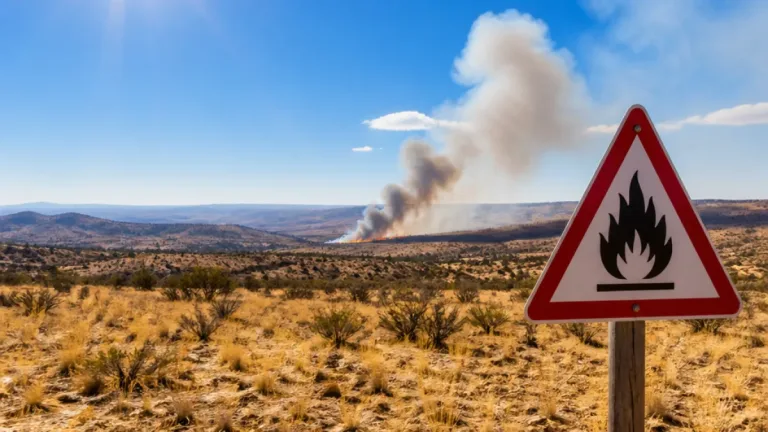
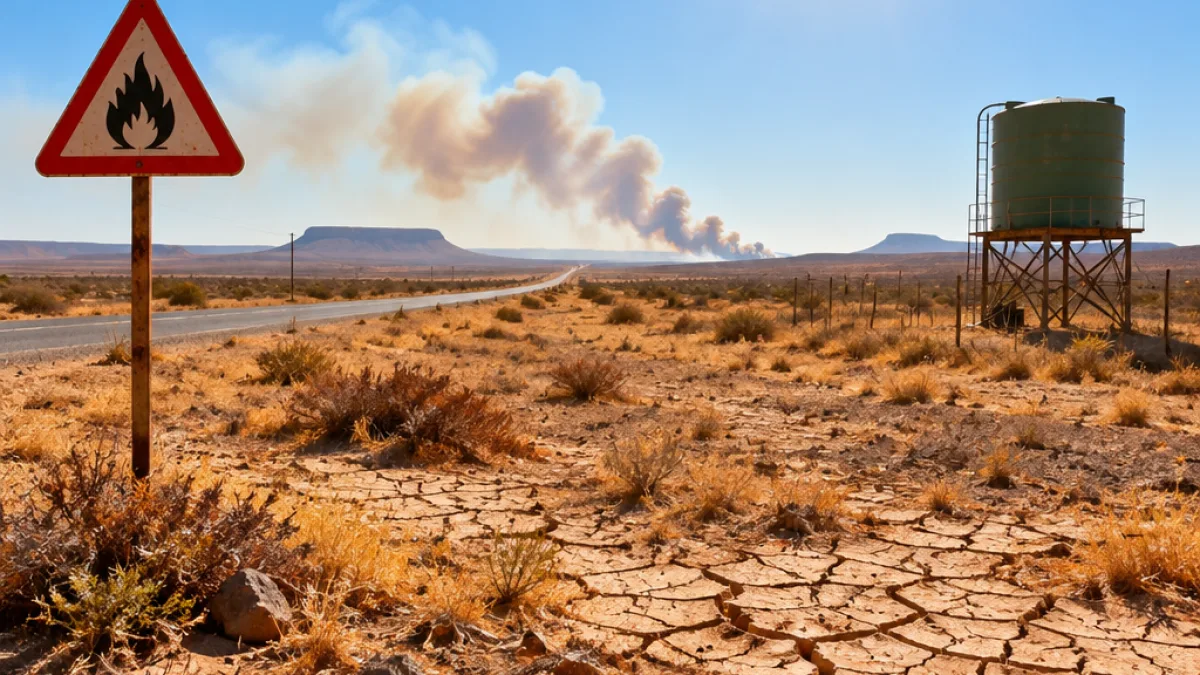
The forecast comes alongside a continuing concern about extremely high fire danger conditions in several parts of the country. While no impact-based severe weather warnings had been issued for Thursday, the combination of very high temperatures and dry conditions can increase pressure on communities, land users and emergency services.
Rain possible in some provinces
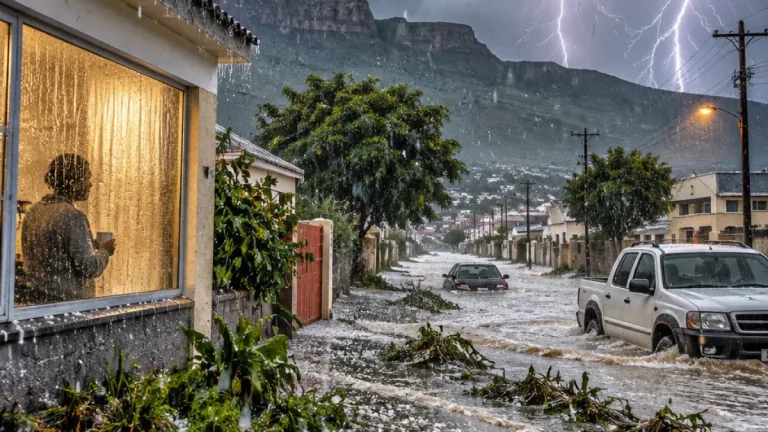
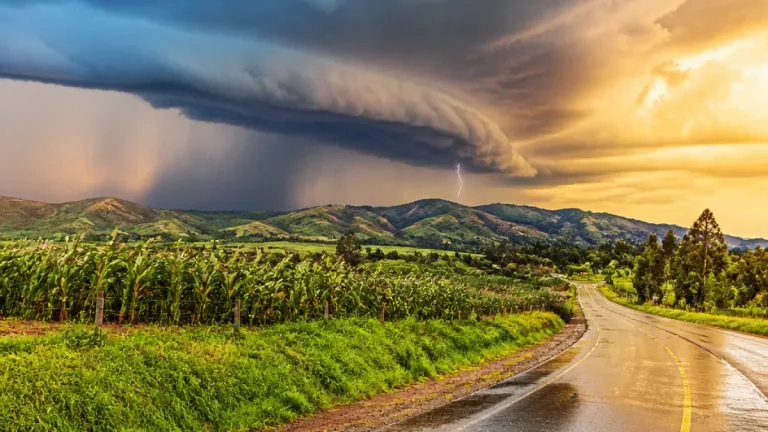
The hot conditions will not be uniform across the country. SAWS has forecast isolated showers and thundershowers in parts of Gauteng, Limpopo, North West, KwaZulu-Natal, the Eastern Cape and southern coastal areas.
A 30% chance of rain was forecast in the affected areas. The possibility of isolated rainfall means that some communities may receive temporary relief, but it does not indicate widespread rain across all areas covered by the heatwave.
For the Northern Cape, the key message remains the continuation of extreme heat in parts of the province. The available forecast does not identify a particular town or city in the province, making it important for residents to follow updates relevant to their local area.
| Area | Forecast information |
|---|---|
| Northern Cape | Extremely hot conditions in parts of the province |
| Heatwave period | Expected to continue until Friday |
| Fire conditions | Extremely high fire danger in several provinces |
| Severe weather warnings | None issued for Thursday |
Heat and fire risk require caution
High temperatures can affect people who work or travel outdoors, particularly during the hottest part of the day. Residents should plan outdoor activities carefully, avoid unnecessary exposure to direct sunlight and make sure that vulnerable people are not left without access to drinking water or a cool place.
People working in agricultural, construction or other outdoor environments should pay close attention to changing conditions. Employers and workers should also take account of the heat when planning strenuous tasks, although the specific measures required will depend on the workplace and local conditions.
The fire danger warning adds another layer of risk in hot and dry areas. Residents should use caution with open flames, braais and any activity that could start a veld fire. Burning waste or other material should not be undertaken where conditions make it unsafe or where local rules prohibit it.
- Check the latest SAWS forecast before travelling or planning outdoor activities.
- Limit prolonged exposure to direct sunlight during the hottest periods.
- Use caution with fires, braais and other sources of heat in dry areas.
- Report smoke or a fire promptly to the relevant emergency services.
Conditions across the country
Gauteng was expected to start the day fine and hot, before partly cloudy conditions developed in the afternoon. Very hot conditions were forecast in the northern parts of the province, with isolated showers and thundershowers possible around the north, including the Pretoria area.
SAWS also warned that Gauteng’s ultraviolet radiation index would be very high, increasing the risk of sunburn during prolonged exposure to the sun.
Limpopo was forecast to be partly cloudy and warm to hot, becoming very hot in the western Bushveld. Cloudy conditions were expected over the Lowveld in the morning, followed by isolated afternoon showers and thundershowers in south-western areas.
North West was expected to remain fine and hot to very hot, with partly cloudy conditions developing in the east. Isolated afternoon showers and thundershowers were possible in the north-eastern parts of the province, also with a 30% chance of rain.
Although SAWS had not issued an impact-based severe weather warning for Thursday, forecasts can change as conditions develop. Northern Cape residents should continue monitoring official updates, particularly while the heatwave and elevated fire danger remain in place.