Aleksandar Vucic, Serbia’s long‑serving populist leader, conceded defeat on Sunday after a snap parliamentary election that marked a dramatic reversal of political fortunes for his Serbian Progressive Party (SNS) and a major victory for a broad, student‑led opposition movement.
Results, projections and immediate reaction
Vucic told supporters at his party’s election night event that projections showed the student‑backed Students' List would secure between 135 and 140 seats in the 250‑member National Assembly, while his SNS would hold about 105 seats. He said his party received about 1.7 million votes and that the Students' List took around 2.2 million, and he declared:
“The Students' List has won.”
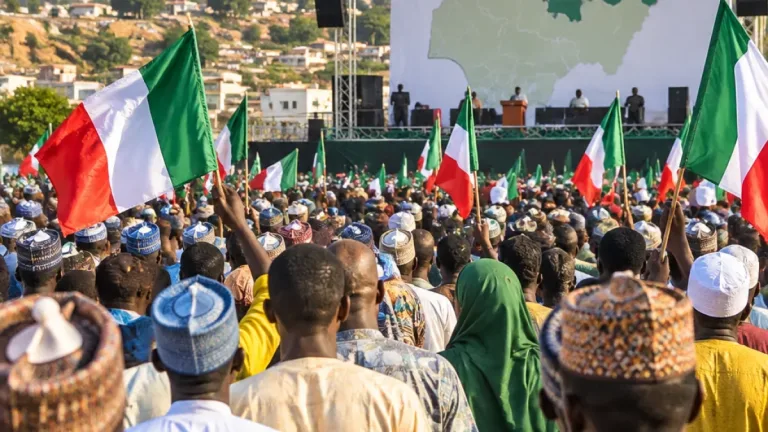
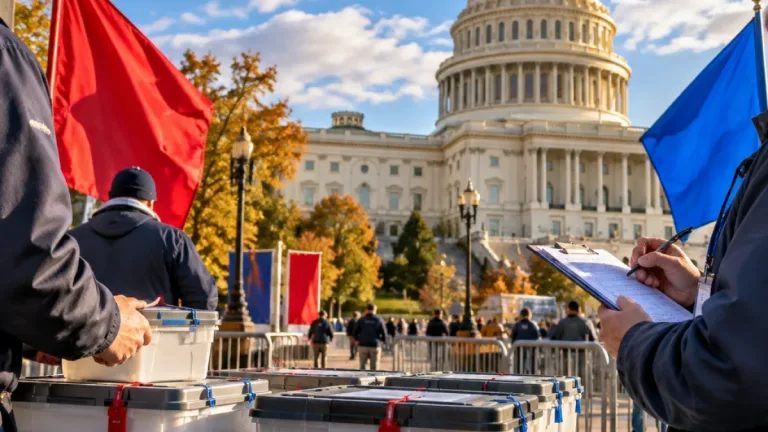
The concession came after nearly two years of protests led by university students who accused the government of corruption and of eroding democratic institutions. The campaign and the vote were marked by high turnout and heightened tensions, with large crowds celebrating in Belgrade and other cities after the announcement.
Context and stakes
Vucic, who has held virtually unchecked power for 14 years and who had publicly received support from Russian President Vladimir Putin, had framed the student movement as a foreign‑backed attempt to remove him. During his concession speech he again blamed independent media, unspecified European states and an “American deep state” for the defeat.
The election was a referendum on Vucic’s style of governance and on wider concerns about democratic backsliding and corruption. The Students' List — a coalition built around university activists — transformed sustained street protests into a coherent electoral force, capitalising on public fatigue with the ruling party after more than a decade of dominance.
Immediate consequences and questions ahead
The outcome ushers in a period of political transition and uncertainty. Key questions now include:
- How the Students' List will translate street momentum into governing capability in a fragmented political environment;
- Whether Vucic’s SNS will remain a coherent opposition force or fragment under pressure;
- Potential shifts in Serbia’s foreign policy orientation, given Vucic’s prior alignment with Russia and his contentious relationship with parts of the EU and Western capitals.
Proponents of the student movement celebrated what they described as a renewal of democratic politics in Serbia, while some of Vucic’s supporters protested what they cast as foreign interference. Police had been on heightened alert during voting and in the immediate aftermath, reflecting the charged atmosphere of a closely fought, high‑stakes contest.
| Item | Figure (as stated by Vucic) |
|---|---|
| Projected seats — Students' List | 135–140 |
| Projected seats — SNS | ~105 |
| Votes — Students' List | ~2.2 million |
| Votes — SNS | ~1.7 million |
Regional and international implications
Serbia occupies a strategic position in the Balkans, and any change in leadership or orientation can affect regional dynamics. Vucic’s long tenure and relationships with Moscow and other external actors meant his exit from effective power could open space for a recalibration of Serbia’s foreign relations and domestic reforms. Observers will watch closely how the new parliament approaches issues such as EU accession, relations with Kosovo, and economic and anti‑corruption measures.
This election demonstrates the potency of sustained civic mobilisation. For South African readers, it is a reminder that organised, persistent civic pressure can convert protest energy into institutional political change — but that the transition from protest to government also demands rapid development of policy capacity and political governance skills.
The reporting was based on coverage by international news agencies, including AFP and CNBC, which documented Vucic’s concession speech and the students’ victory projection.