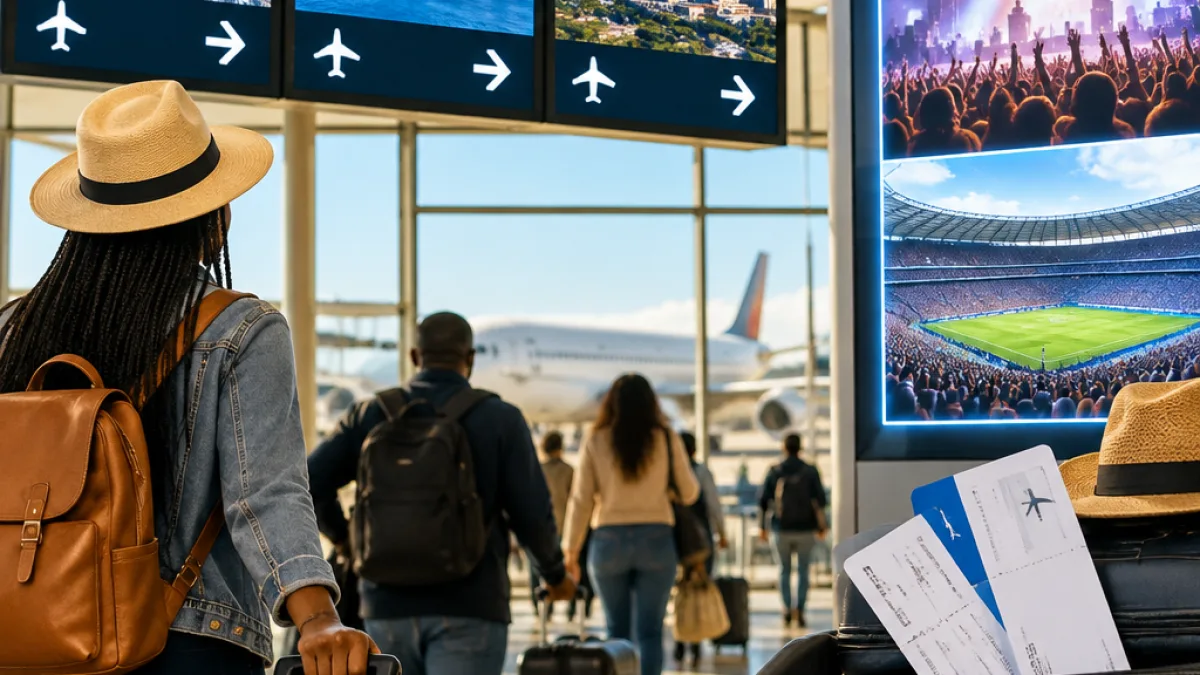
South Africa has emerged as the leading destination for travel-demand growth in 2026, as concerts, sporting fixtures and a greater appetite for flexible, spontaneous trips reshape the way people plan holidays.
The findings are contained in eDreams ODIGEO’s latest A Year in Travel report, which describes international demand as strong during the year. Rather than beginning with a fixed destination, more travellers are increasingly starting with a reason to go — a live performance, a major match or an experience that feels timely.
South African cities attract more international interest
South Africa recorded the biggest increases among the destinations highlighted in the report. Durban saw travel searches rise by 80%, followed by Cape Town at 55% and Johannesburg at 50%.
| Destination | Increase in travel searches |
|---|---|
| Durban | 80% |
| Cape Town | 55% |
| Johannesburg | 50% |
| Melbourne | 57% |
| Sydney | 48% |
The report places the three South African cities ahead of Melbourne and Sydney in Australia, which recorded increases of 57% and 48% respectively. Lima and Mexico City also featured among the destinations showing growth, with increases of 28% and 26%.
Music and sport become powerful travel triggers
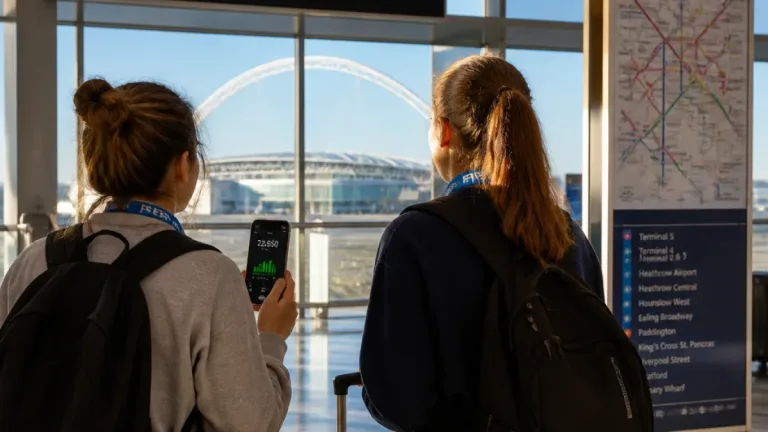
Music was one of the strongest forces behind international travel during the year. Around Bruno Mars’ Wembley dates, searches for trips to London between 22 and 24 July climbed sharply from several European markets. The increase was 966% year on year from Germany, 642% from the Netherlands, 442% from Ireland and 355% from Austria. Searches also rose from the United Kingdom and Portugal.
Shakira’s Madrid residency produced a similar effect. Travel searches for visits between 18 and 27 September increased by 486% from France, 463% from Germany, 365% from the Netherlands, 345% from Spain and 105% from the UK.
Sport generated comparable momentum. After Arsenal secured a place in the Champions League final against Paris Saint-Germain, UK searches for travel to Budapest between 5 and 7 May rose by 119% year on year. Searches from the UK for Miami, ahead of the World Cup quarter-final on 11 and 12 July, increased by 243%.
Travellers are making room in their budgets
The findings suggest that major events are not simply adding to existing travel plans; for many people, they are becoming the reason for travelling in the first place. A global survey commissioned by eDreams ODIGEO found that 58% of respondents would travel domestically or internationally for a sporting event.
Among those surveyed, 39% said they would extend a trip by one or two days, while 31% would reduce spending on everyday luxuries to make a sports-related journey possible. That points to a more deliberate approach to holiday spending, where an event can take priority over smaller, routine indulgences.
- Events are shaping destination choices, rather than merely influencing dates.
- South Africa’s three major cities recorded the strongest destination growth in the report.
- Flexible planning is gaining importance as travellers respond to live entertainment and sporting calendars.
The 2027 calendar is already influencing demand
The event-led pattern is expected to continue into 2027. Searches connected to the FIFA Women’s World Cup in Brazil are already up by 40% year on year. Interest in travel to Bulgaria around Eurovision in Burgas, from 11 to 15 May, has risen by 390%.
Oasis’ 2027 tour announcement has also triggered early interest, with searches for Glasgow up by 2,380% and Munich by 1,605%. For travellers, the message is clear: the most sought-after trips may begin with a calendar date, a ticket announcement or a once-off experience — and only then with the question of where to stay.