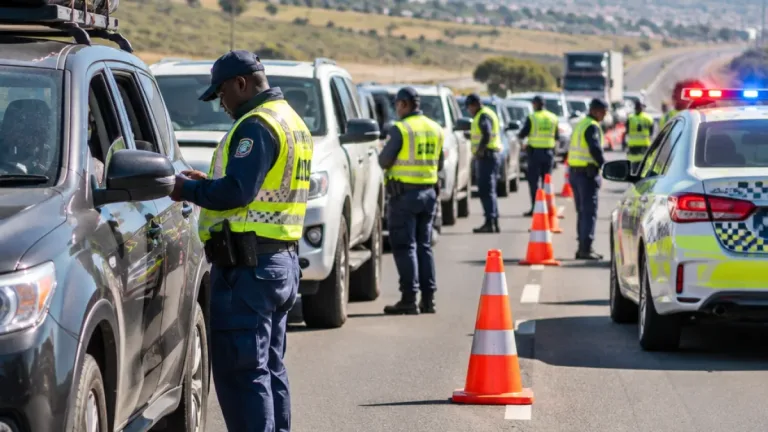
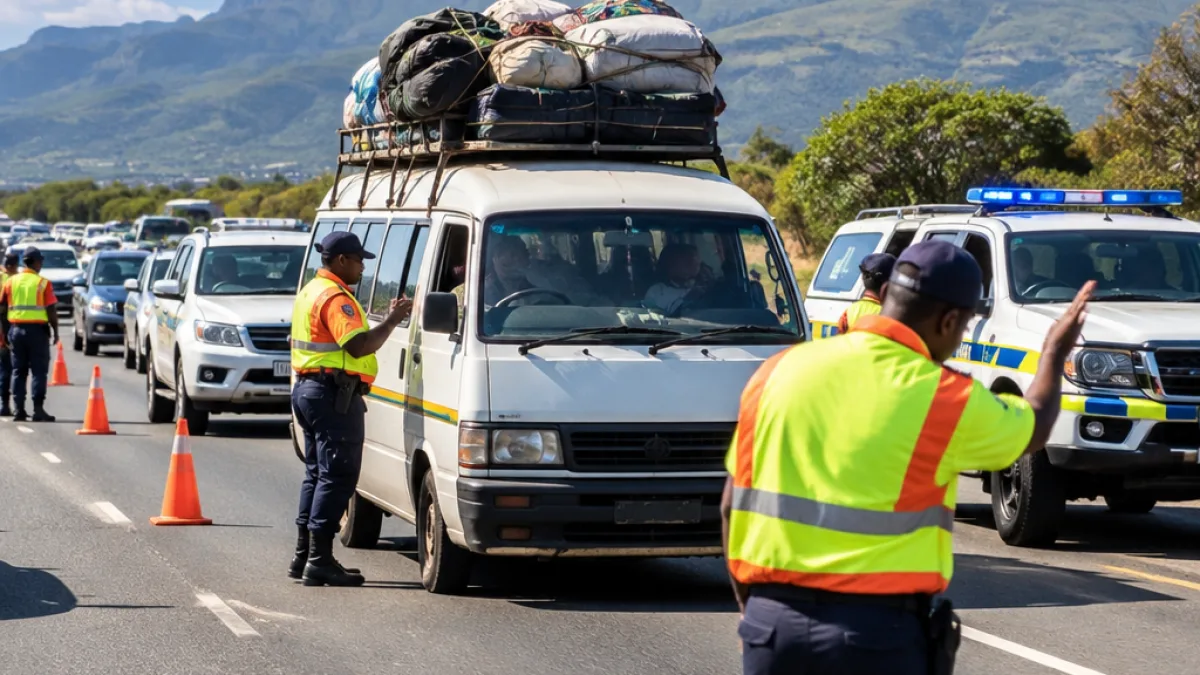
SAPS has urged motorists to follow traffic laws and remain vigilant as millions of people prepare to travel during the year-end holiday period. The warning comes as high-density Safer Festive Season operations are under way across all nine provinces, with police and traffic authorities increasing roadblocks, vehicle checkpoints and visible patrols on major national routes.
The seasonal enforcement drive is aimed at reducing preventable deaths and responding to risks associated with heavier traffic volumes. Police have identified speeding, dangerous overtaking, pedestrian negligence and driving under the influence of alcohol as leading contributors to fatal crashes during peak travel periods.
Zero tolerance for road offences
SAPS said officers would apply a strict approach to motorists who drive while intoxicated, use vehicles that are not roadworthy or overload passenger transport. The enforcement measures are expected to run alongside traffic operations on the country’s main routes as holiday journeys increase.
The appeal places responsibility on both law-enforcement agencies and road users. Motorists are being asked to exercise patience, courtesy and care, while ensuring that their vehicles are safe before setting out. A basic inspection can identify defects that may create a danger to the driver, passengers and other road users.
“Road safety is a shared responsibility.”
SAPS’s pre-trip guidance includes checking the tread and sidewalls of all tyres, including the spare wheel, and ensuring they are inflated according to the vehicle manufacturer’s recommendation. Drivers should also test their headlights, brake lights, indicators and hazard lights, while checking that the braking system is in suitable condition.
Preventing fatigue and roadside crime
Fatigue is another risk during long-distance travel. Motorists are advised to plan regular breaks, with the guidance recommending 15 minutes of rest every two hours or 200 kilometres. Where possible, driving duties should be shared. No motorist should drive after consuming alcohol, and travellers should avoid continuing a journey when they are too tired to remain alert.
Police have also cautioned travellers about opportunistic crime on highways. Drivers are advised not to stop on isolated road shoulders, particularly where they may be vulnerable to theft or confrontation. Luggage and other valuables should be placed out of sight in the boot rather than left inside the passenger compartment.
- Use busy, well-lit service stations for refuelling and rest breaks.
- Keep personal belongings locked away and do not display valuables.
- Avoid driving when tired or under the influence of alcohol.
- Check the vehicle’s safety systems before leaving.
Vehicle checks before departure
The recommended emergency equipment includes a warning triangle, reflective jacket, jack, wheel spanner, jumper cables, torch and basic first-aid supplies. Motorists are also advised to inspect windscreen wipers and replenish engine oil, coolant, brake fluid and washer fluid. Worn wiper blades should be replaced ahead of summer thunderstorms.
| Safety area | Recommended action |
|---|---|
| Tyres | Check tread, sidewalls, pressure and the spare. |
| Lights and brakes | Test headlights, indicators, hazard lights and brake lights. |
| Rest | Stop for 15 minutes every two hours or 200 kilometres. |
| Emergency equipment | Carry warning, repair, lighting and first-aid supplies. |
The nationwide operation will place additional law-enforcement personnel on roads during one of the busiest travel periods of the year. For motorists, the practical consequences are likely to include more roadside checks and enforcement activity. SAPS’s message is that reaching a destination safely depends on compliance with the law, sound vehicle preparation and alertness throughout the journey.