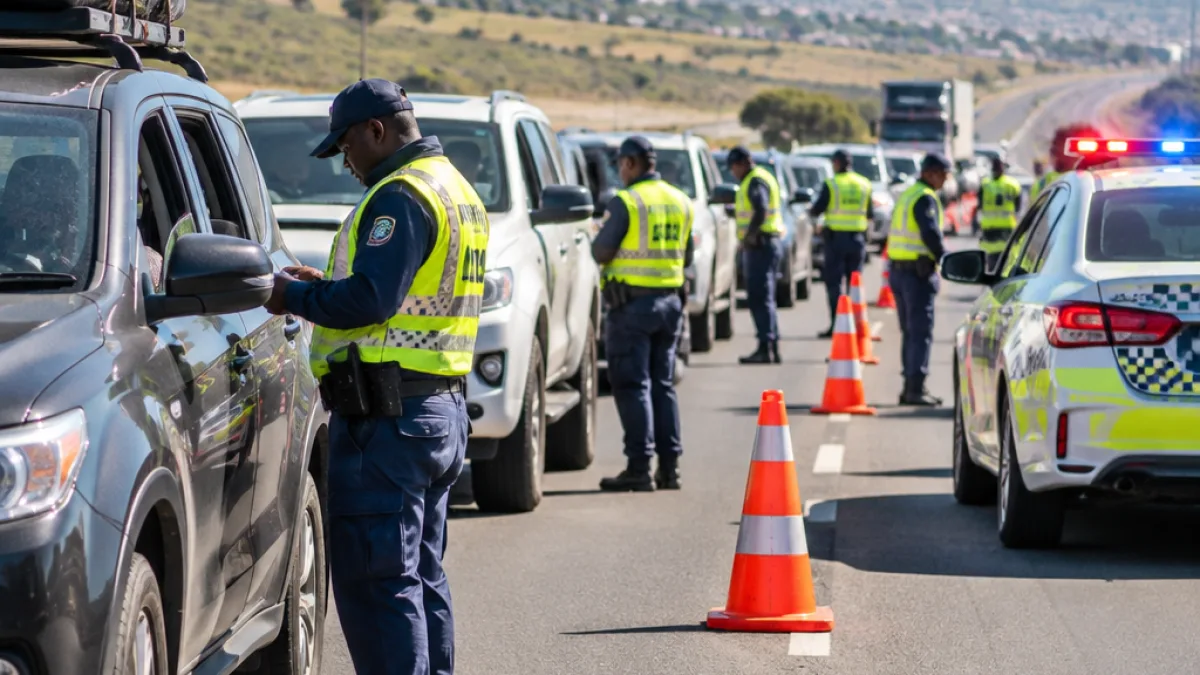
Motorists across South Africa face intensified road policing as the South African Police Service expands its Safer Festive Season operations across all nine provinces. Police and traffic authorities are increasing roadblocks, vehicle checkpoints and visible patrols on major national routes during the peak travel period.
The enforcement campaign is aimed at preventing the fatal crashes and related offences that commonly increase when large numbers of people travel during the festive season. SAPS has urged drivers to comply with traffic laws, avoid driving under the influence of alcohol and remain alert to possible criminal activity along highways.
Zero tolerance for major road offences
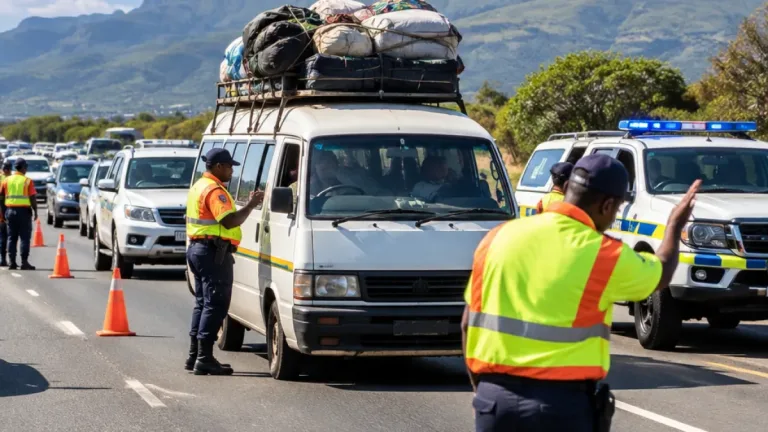
Police have indicated that officers will apply a strict approach to driving under the influence, unroadworthy vehicles and overloaded vehicles. Excessive speed, dangerous overtaking, pedestrians using roads unsafely and alcohol-impaired driving have been identified as leading contributors to fatal collisions during periods of heavy holiday traffic.
The planned operations will combine enforcement with a visible policing presence. Roadblocks and checkpoints are expected to focus on whether vehicles are roadworthy and whether motorists and passengers are complying with basic safety requirements. The warning applies to private vehicles and other road users travelling on the country’s major routes.
“Road safety is a shared responsibility.”
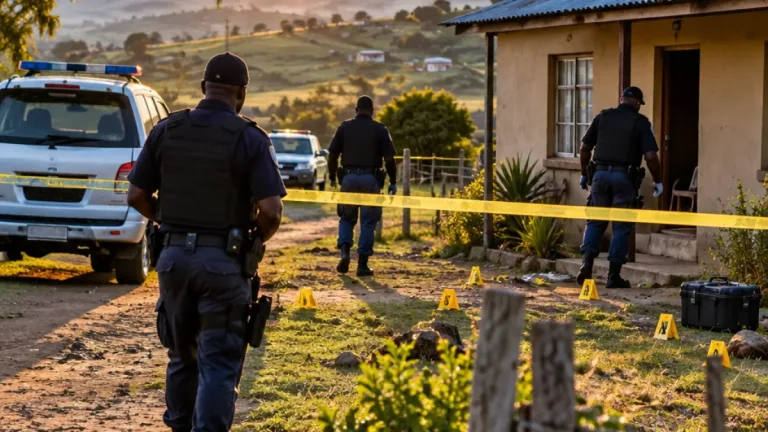
SAPS has also warned travellers about opportunistic crime on highways. Motorists have been advised not to stop on isolated road shoulders unless it is unavoidable. Luggage and other valuables should be placed out of sight in the boot, while fuel, food and rest breaks should preferably take place at busy, well-lit service stations.
Checks motorists should complete before travelling
Police have encouraged drivers to inspect their vehicles before starting long journeys. The recommended checks include:
- Examining tyre tread and sidewalls, and checking the pressure of all four tyres and the spare;
- Testing headlights, brake lights, indicators and hazard lights;
- Checking brake pads and replenishing engine oil, coolant, brake fluid and windscreen washer fluid;
- Replacing damaged or worn windscreen wipers before travelling in summer conditions;
- Carrying a warning triangle, reflective jacket, jack, wheel spanner, jumper cables, torch and basic first-aid supplies; and
- Planning regular rest stops to reduce fatigue, with a suggested 15-minute break every two hours or 200 kilometres.
Drivers have also been advised to share driving duties where possible and to ensure that every passenger is restrained. The guidance applies to people seated in both the front and rear of a vehicle, making seat-belt compliance a responsibility for the driver and passengers alike.
Fatigue and highway safety
Long-distance travel creates additional risks when drivers continue despite tiredness. SAPS has called for patience, courtesy and vigilance behind the wheel, particularly on heavily travelled routes where congestion, frequent lane changes and roadside activity can increase the danger of a collision.
The festive-season policing drive therefore covers more than traffic fines or vehicle inspections. It is also intended to deter conduct that can place other road users in danger and to reduce opportunities for criminals targeting travellers. Motorists who need to stop should choose locations with lighting and regular public activity, rather than secluded stretches of roadside.
With roadblocks, checkpoints and patrols being implemented nationally, SAPS has urged travellers to plan their journeys, prepare their vehicles and obey the rules from departure to arrival. The service’s appeal is that motorists take responsibility for their conduct so that families can reach their destinations safely during the festive season.