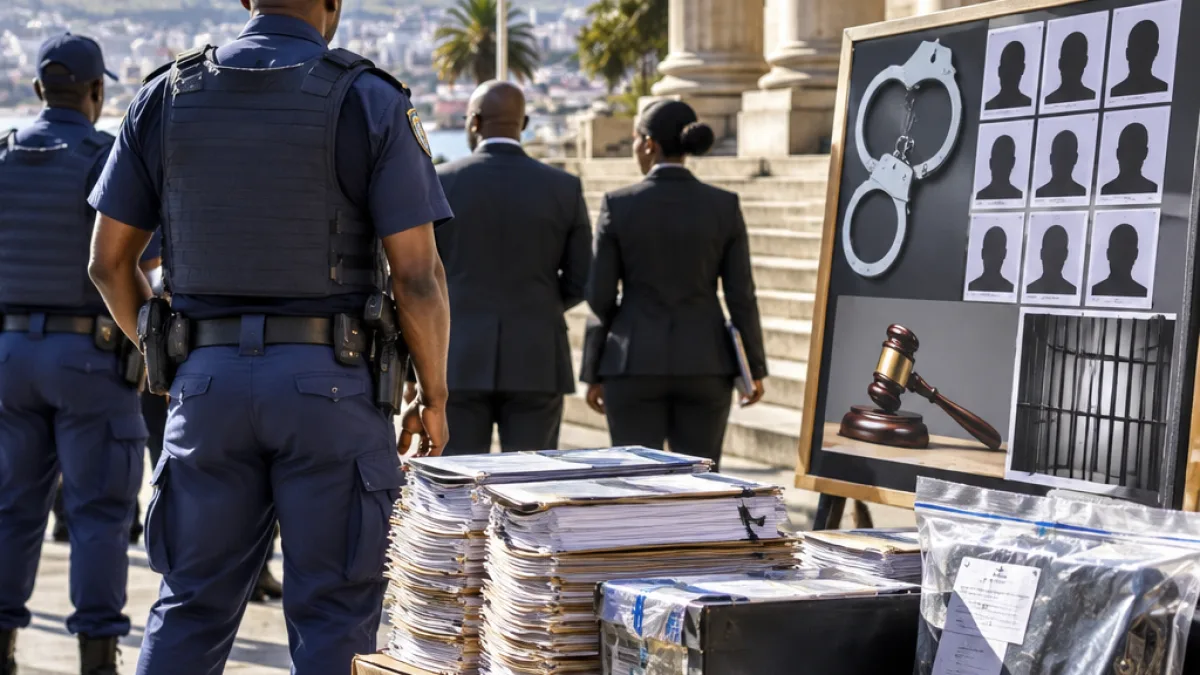
KwaZulu-Natal’s Political Killings Task Team has arrested 604 suspects since it was established, with 151 people sentenced to a combined total of more than 2,300 years in prison, according to national police commissioner General Fannie Masemola.
The figures were released as SAPS presented its second-quarter crime statistics, placing renewed focus on the province’s long-running struggle with politically motivated violence. Masemola said several matters remained before the courts, while other investigations had reached a stage where they were ready for trial.
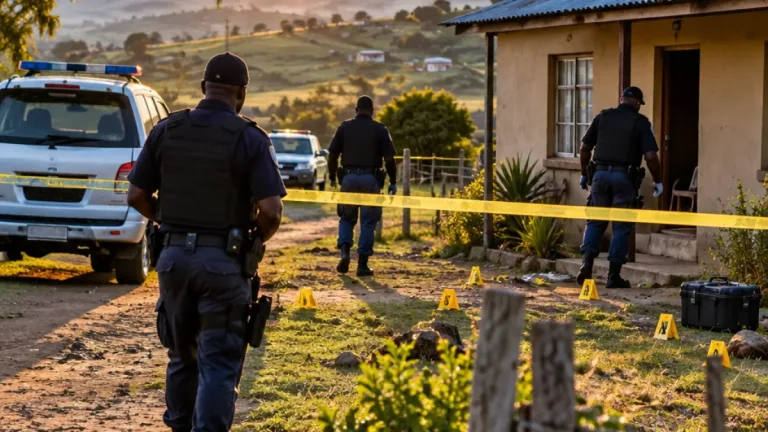
The task team’s work has unfolded against a tense political backdrop in which candidates, councillors and party organisers have been targeted. The latest arrest involved a 44-year-old man linked to the killing of Lastborn Thobelani Shazi, an MK Party Ugu Regional Organiser and candidate for Ward 18 in Umzumbe. The arrest was made on Thursday, according to the police commissioner’s remarks.
“Political affiliation, influence or connections will not shield anyone involved in orchestrating, financing or executing political killings from accountability,” Masemola said.
Police promise continued pressure
Masemola said specialised police teams would continue working to ensure that every politically motivated killing was investigated. His comments signal that SAPS intends to maintain pressure on cases in which alleged perpetrators may have relied on political networks or influence.
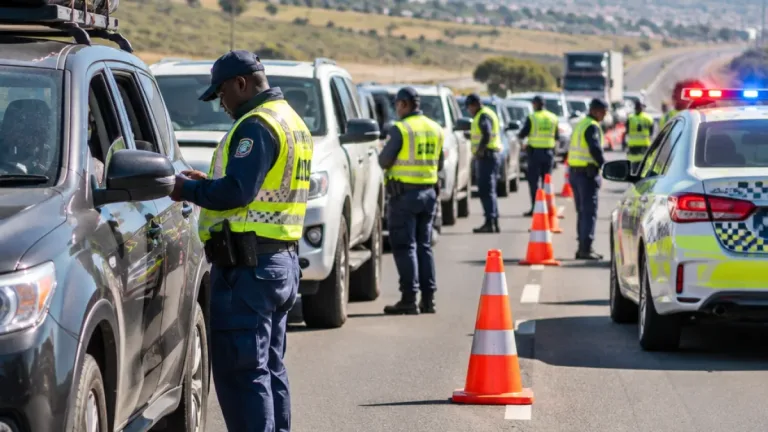
The commissioner also warned criminals that police operations would be intensified during the festive season. He said the service would deploy the full force of the law, while stressing that those involved in serious crimes should not assume they could evade arrest.
That message comes as communities across KwaZulu-Natal prepare for a period typically marked by increased movement, political activity and gatherings. The police figures do not provide a breakdown of the 604 arrests by district, alleged motive or current court status, but they indicate the scale of the task team’s work since its creation.
- 604 suspects arrested by the task team since its establishment;
- 151 accused people sentenced;
- More than 2,300 years in combined prison sentences;
- 21 suspects arrested in cases involving the killing of police officers during the period under review.
Police deaths add to concern
Masemola’s briefing also paid tribute to Colonel Thokozani Sithole, who was killed while confronting armed criminals during an operation. Sithole is due to be buried in Ladysmith this weekend.
The commissioner said police returned fire during the incident, killing two suspects. Three other suspects were arrested. The circumstances cited in the briefing underline the risks faced by officers during operations, particularly when they confront heavily armed suspects.
Masemola described Sithole’s death as a reminder of the dangers confronting police members as they carry out their duties. He said SAPS management remained committed to improving officer safety through specialised training, refresher programmes and suitable resources and equipment.
Hawks investigate attacks on officers
The Hawks have also made progress in investigations into the killings of police officers, Masemola said. During the period covered by the second-quarter statistics, 21 suspects linked to such cases were arrested, of whom 13 were arrested in connection with the murder of police officers.
The available figures distinguish between arrests and convictions. An arrest means that police have taken a suspect into custody in connection with an alleged offence; it does not amount to a finding of guilt. Convictions and sentences follow court proceedings, where evidence is tested and accused people are afforded their constitutional rights.
| Measure | Figure |
|---|---|
| PKTT arrests since establishment | 604 |
| People sentenced | 151 |
| Combined prison terms | More than 2,300 years |
| Suspects arrested in police murder cases | 21 |
Masemola said additional cases were still before the courts and that some investigations had reached the trial-ready stage. Their outcomes will depend on the progress of each matter through the criminal justice system.
For families affected by political violence, the numbers represent more than an operational report. They point to a continuing effort to establish accountability for killings that can unsettle local government, party structures and communities. The police commissioner’s warning makes clear that SAPS plans to pursue those accused of arranging, funding or carrying out such attacks, regardless of their political connections.