The United States has called on Venezuela’s interim authorities to release 322 people still held in political detention, intensifying pressure on the government as it faces demands for electoral reform and greater accountability.
More than 1,000 political prisoners have been freed since US forces seized Venezuelan leader Nicolás Maduro in a military operation in Caracas on 3 January. Maduro was taken to New York, where he faces charges relating to drug trafficking and torture. However, the prisoners’ rights organisation Foro Penal says hundreds remain in detention.
US Secretary of State Marco Rubio raised the issue during a meeting on Monday with Venezuela’s foreign minister, Oliver Blanco. The US State Department said the discussions included the release of those still detained and reforms intended to create the conditions for elections that are free, fair and credible.
Pressure over post-election repression
The detention issue is closely linked to the disputed presidential election held in 2024. Venezuela’s National Electoral Council, which is dominated by government supporters, announced Maduro as the winner. Opposition figures rejected the result, saying copies of voting records gathered by their representatives and checked by independent media showed that the opposition candidate had secured victory.
The Carter Center, which sent observers to monitor the vote, said the election
"could not be considered democratic". A United Nations fact-finding mission later reported that the Venezuelan authorities had carried out a severe campaign against people regarded as opponents, as well as individuals who expressed criticism or dissent.
Many of those currently detained were arrested in the period following the election. Their continued imprisonment has therefore become a central test of whether the authorities are prepared to move away from the practices that followed the disputed result. The main issues are:
- the fate of the 322 detainees identified by Foro Penal;
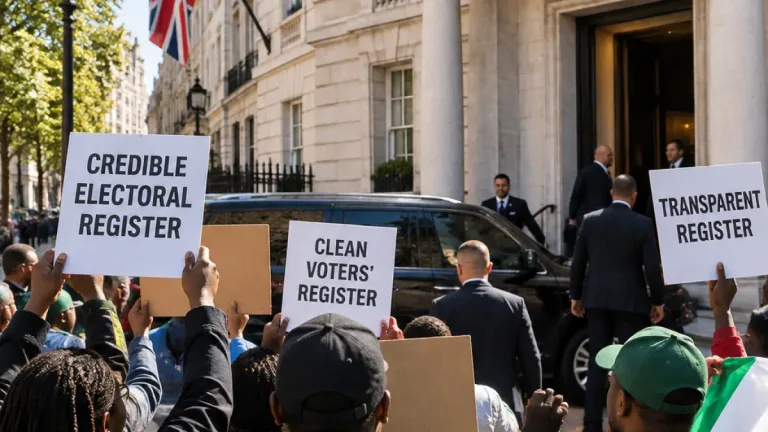
- whether promised reforms will lead to a credible electoral process;
- and whether political opponents will be able to participate without intimidation or detention.
| Development | What is known |
|---|---|
| Prisoner releases | More than 1,000 people have been freed since 3 January |
| Remaining detainees | Foro Penal says 322 people are still held |
| International assessment | The Carter Center said the 2024 election could not be considered democratic |
Opposition demands faster change
María Corina Machado, Venezuela’s opposition leader and the recipient of the 2025 Nobel Peace Prize, has long demanded the release of political prisoners. She returned to Venezuela on 25 October after almost a year in exile and met relatives of detainees soon after her arrival.
Her return comes during a sensitive transition. After Maduro was taken to the United States, his loyal vice-president, Delcy Rodríguez, was sworn in as interim president. The Trump administration supports Rodríguez, but opposition parties inside Venezuela have begun to voice frustration at what they see as the slow pace of reform.
That tension leaves Washington attempting to support the interim authorities while also pressing them to address the conduct of the previous government and to open the political system. The State Department said in its Monday statement that the United States remained committed to President Donald Trump’s three-phase approach, although the available account does not set out the details of that programme.
The immediate question is whether the call from Rubio will result in further releases. Beyond the individual cases, the issue is a measure of how much political space will be available to Venezuela’s opposition and whether the authorities will accept meaningful scrutiny of the next electoral process. Until the remaining detainees’ cases are resolved and reform commitments are tested, claims of democratic transition will remain under pressure.