
NEW DELHI, November 21: Pakistan's Inter-Services Intelligence (ISI)-backed channels have allegedly been recruiting Indian youths for arms, ammunition and narcotics-related operations by first offering small payments and projecting an image of wealth and luxury, officials said. The recruits are subsequently drawn into more serious assignments and allegedly kept under control through threats and blackmail.
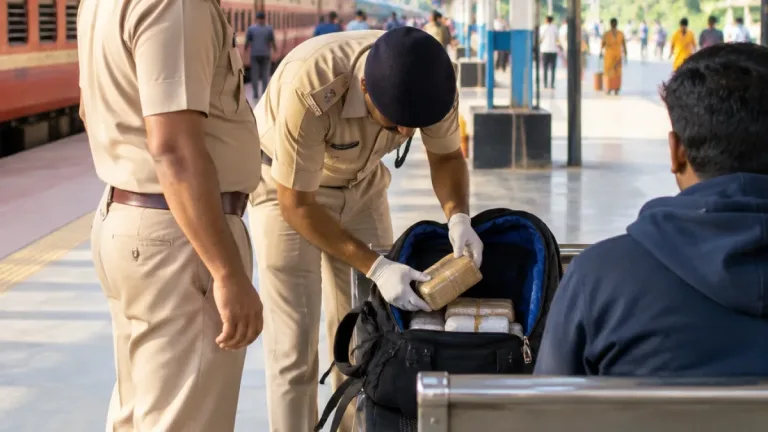
The recruitment activity has been reported over the past several months, with Punjab identified as a particular area of concern. According to the report, the youths are being paid amounts starting from ₹5,000 for initial tasks. These assignments include collecting consignments from specified locations and moving or distributing narcotics, arms and ammunition across the state.
Dead-drop deliveries in Punjab
The networks are allegedly using the dead-drop method, in which recruits are directed to retrieve material from designated places without necessarily meeting the person who placed it there. The consignments reportedly include weapons, ammunition and narcotics. After collection, the recruits are instructed to distribute them at other locations.
An official said a dangerous pattern was emerging in which young people were drawn into the network through promises of easy money and a lavish lifestyle. The report said many of those recruited were associated with the Shahzad Bhatti network. At the initial stage, they were shown photographs of Bhatti and his associates in front of expensive vehicles and luxurious residences, wearing flashy clothes.
“These images created an impression of wealth and glamour, becoming a major attraction and one of the primary reasons why the youths agreed to join such networks,” an official said.
The recruitment process, as described by officials, follows a gradual escalation of risk. A new recruit is first given a relatively minor task, involving limited exposure, and is paid the amount promised for completing it. The network then offers substantially higher sums for subsequent assignments, encouraging the recruit to continue without fully understanding the legal and security consequences.
From inducement to coercion
The alleged method of control changes after the recruit has carried out the first assignments. Officials said the promised larger payment is then withheld. Instead, the youth is threatened with being reported to security agencies if he refuses to undertake more serious work. This creates a cycle in which the recruit continues performing assignments but receives only small sums, regardless of the scale or nature of the operation.
The progression described in the report may be summarised as follows:
- Initial contact: recruits are attracted through images of wealth, luxury and easy money.
- First assignment: they are given smaller tasks and paid relatively modest amounts.
- Escalation: larger payments are promised for more serious operations.
- Coercion: the promised money is withheld and threats of exposure to security agencies are used to compel further activity.
| Stage | Reported tactic |
|---|---|
| Recruitment | Luxury photographs and promises of easy earnings |
| Operational entry | Small tasks involving arms, ammunition or narcotics |
| Control | Withholding of payments and threats of reporting recruits |
An official said the result was that youths were being pushed into smuggling operations on a much larger scale than their initial assignments. The allegations point to a structured process in which financial inducement is used only to secure the recruit's first involvement, after which intimidation allegedly becomes the principal means of maintaining control.
The report did not provide details of arrests, charges or court proceedings in connection with the alleged network. It also did not specify the number of youths recruited. The information available, however, places the alleged activity within a wider security concern involving the movement of narcotics, arms and ammunition through Punjab, while highlighting the vulnerability of young people attracted by small payments and carefully constructed displays of affluence.