NEW DELHI: Jay Shah will remain at the helm of the International Cricket Council after securing an unopposed second term, extending the tenure of the Indian administrator at a pivotal stage for the sport’s international ambitions.
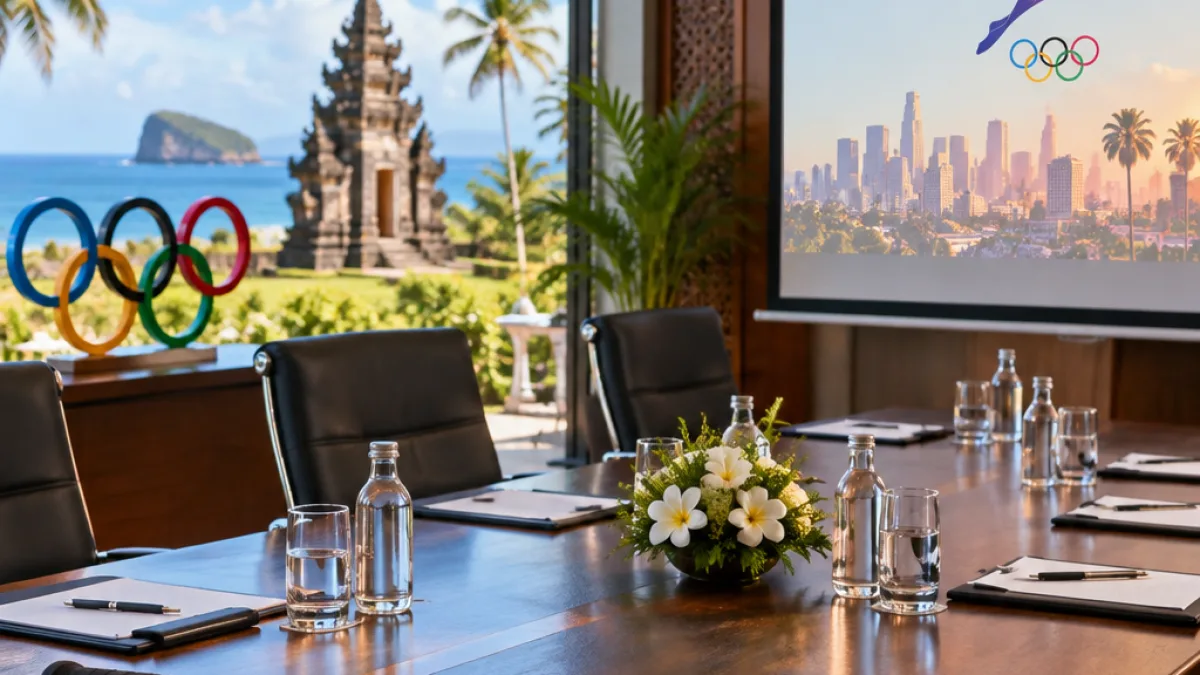
The decision followed a proposal from ICC directors during the governing body’s Board meetings in Bali. Administrators representing England, Zimbabwe, New Zealand and the Associate Members backed Shah’s continuation, giving the reappointment a broad base of support across the cricketing community.
A second term at a defining juncture
Shah, who became the youngest person to occupy the ICC chair at the age of 36, was first elected without opposition on August 27, 2024. He formally took charge on December 1 that year, succeeding Greg Barclay. His renewed mandate now places him in charge as cricket moves towards its return to the Olympic programme at the Los Angeles 2028 Games.
The Olympic appearance will be one of the most visible tests of the ICC’s ability to present cricket to audiences beyond its established strongholds. Although the sport’s inclusion in LA28 was secured through the organisation’s earlier Olympic engagement, the event will unfold during Shah’s second term and will form an important backdrop to the governing body’s wider plans.
| Development | Details |
|---|---|
| Reappointment | Unopposed second term as ICC chairman |
| First elected | August 27, 2024 |
| Assumed office | December 1, 2024 |
| Olympic milestone | Cricket returns at Los Angeles 2028 |
Balancing growth with the global game
The next phase will require the ICC to manage two competing pressures: the commercial potential of a rapidly expanding sport and the differing needs of a membership that spans established full members and developing Associate nations. The organisation has identified a number of priorities for the period ahead, including reinforcing the sport’s foundations, widening the reach of women’s cricket and creating more playing opportunities for Associate Members.
Maintaining the credibility of international cricket is also listed among the central tasks. That includes protecting the integrity of the game while developing commercial avenues that can support long-term growth. The balance will be particularly important as administrators consider how to strengthen the international calendar without weakening the relevance of bilateral contests.
Richard Thompson, chair of the England and Wales Cricket Board, said Shah’s continued leadership came at an important moment for international cricket. He highlighted the need to improve the structure of the global calendar and preserve the competitiveness and importance of bilateral cricket.
“Balancing the tradit…”
The incomplete portion of Thompson’s quoted remark points to the central governance challenge facing the ICC: expanding cricket’s commercial and geographic horizons while retaining the traditions and competitive structures that underpin international cricket. Shah’s second term will therefore be judged not only by the sport’s visibility at the Olympics, but also by how effectively the governing body supports a wider group of nations.
India’s continuing presence in global cricket
Shah’s return to the chair keeps an Indian administrator at the centre of decisions affecting the international game. His earlier election and now unopposed renewal reflect the confidence placed in his leadership by representatives from several major cricketing regions and the Associate Members.
With the Olympic countdown gathering importance, the ICC’s agenda extends well beyond a single tournament. The organisation will have to pursue broader participation, sustain women’s cricket, safeguard the integrity of competitions and identify viable commercial opportunities. Shah’s second mandate gives him continuity as those priorities move from policy discussions towards implementation.