New Delhi: A simple approach to food, physical activity and regular health checks could help India respond to its growing diabetes burden, according to Dr Nikhil Tandon, director of the All India Institute of Medical Sciences (AIIMS), New Delhi.
The leading endocrinologist and diabetologist has advised Indians above the age of 25 to avoid complicated diets, costly supplements and extreme fitness routines. Instead, he has emphasised sensible portions, greater reliance on plant-based foods, adequate sleep and staying physically active.
“Eat food, not too much, mainly plants.”
The advice assumes significance against the backdrop of a sustained rise in diabetes across the country. More than 10 crore Indians are living with diabetes, while another 13.6 crore have pre-diabetes and are at risk of developing the condition, Dr Tandon said.
The control gap
Data from the landmark Indian Council of Medical Research (ICMR)-INDIAB study, which covered more than one lakh people across India, indicates that the challenge extends beyond identifying people with diabetes. Only 7.7 per cent of those with the condition met all three specified control targets: blood glucose, blood pressure and cholesterol.
| Measure | Figure |
|---|---|
| People living with diabetes | More than 10 crore |
| People with pre-diabetes | 13.6 crore |
| People meeting three control targets | 7.7 per cent |
These figures underline why diabetes management cannot be reduced to a single blood sugar reading or to treatment after symptoms appear. The targets cited by Dr Tandon cover three connected areas of health: glucose levels, blood pressure and cholesterol. Failure to control any one of them can leave a person without comprehensive management of the condition.
Why silent diseases are difficult to manage
Dr Tandon said the findings reflect what doctors refer to as the “rule of halves”. In a chronic condition that may remain symptom-free, roughly half of those affected may not know that they have it. Of those who are aware, only half may be receiving treatment, and among those on treatment, half or fewer may reach the required control levels.
This sequence means that only about one in eight people may ultimately have the condition under control. The comparison with an acute infection is important: pain or fever can prompt a person to seek medical attention, whereas diabetes and hypertension may progress without an obvious warning. Their management therefore requires action at several stages—finding the disease, beginning treatment and continuing care over time.
Screening and everyday prevention
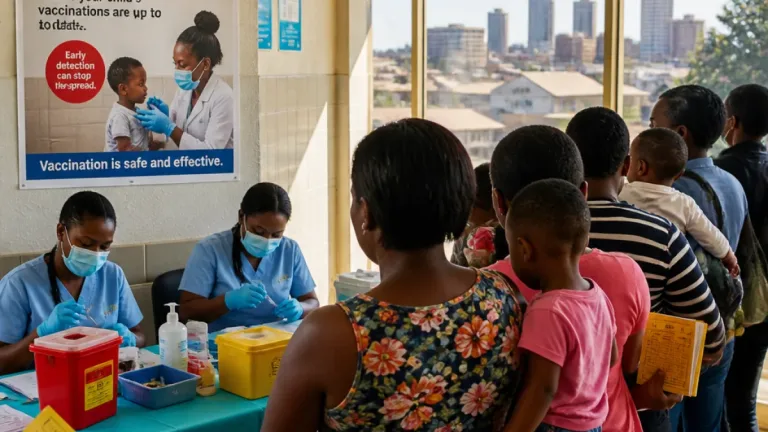
India's government non-communicable disease programme recommends screening everyone above the age of 30 for diabetes and hypertension, along with other conditions. It also provides free or heavily subsidised medicines, according to the information cited by Dr Tandon.
The emphasis on routine screening is particularly relevant for people who feel well but may still have an undiagnosed chronic condition. Early identification creates an opportunity to begin treatment and address lifestyle factors before poor control becomes established. The AIIMS director's advice places these measures alongside practical daily choices rather than presenting health as dependent on specialised products or demanding routines.
- Prefer sensible portions over excessive eating.
- Include more plant-based foods in the diet.
- Maintain regular physical activity and adequate sleep.
- Use recommended screening services, particularly for diabetes and hypertension.
India's diabetes challenge, as described by Dr Tandon, is therefore both a numbers problem and a control problem. The rising count of people with diabetes and pre-diabetes is accompanied by a large gap between diagnosis, treatment and achieving the combined targets needed for effective management. A less complicated health message may be easier to follow, but its impact depends on people acting on it and using available screening and treatment services consistently.