Unprecedented three-way meeting
The presidents of the United States, China and Russia are scheduled to meet next Thursday on the sidelines of the Asia-Pacific Economic Cooperation summit in Shenzhen, bringing the leaders of the three largest nuclear powers together for an unprecedented joint encounter. The plan was confirmed by the White House on Friday and is expected to place the competing interests of Washington, Beijing and Moscow at the centre of international attention.
The meeting comes at a particularly unsettled moment in relations among the three countries. US President Donald Trump has moved towards a warmer relationship with Chinese President Xi Jinping after the two countries reached a temporary truce in their trade conflict last year. That accommodation has not removed differences over the US war with Iran or other disputes between the two leading economic powers.
Trump has also pursued closer engagement with Russian President Vladimir Putin. Moscow, however, continues its nearly five-year war with Ukraine and has strengthened its military, intelligence and diplomatic links with Iran. These unresolved conflicts are likely to shape the atmosphere around the talks, even if the leaders do not reach formal agreements.
Nuclear arms agenda
Trump has said the gathering could provide an opportunity to discuss the US war with Iran and his ambition for a three-country arrangement covering nuclear weapons stockpiles. The issue has gained urgency since the last nuclear arms agreement between Washington and Moscow expired in February. Its lapse removed restrictions on the two countries' arsenals for the first time in more than five decades.
“a new, improved and modernized” deal
Trump rejected Russia's proposal to extend the previous agreement, known as New START, for another year. Instead, he has called for a broader accord involving China as well as the United States and Russia. The three-way proposal faces significant structural difficulties because the nuclear capabilities of the parties are sharply unequal.
| Country | Estimated nuclear warheads | Position in the proposed arms discussion |
|---|---|---|
| United States | More than 5,000 | Party to the former New START framework |
| Russia | More than 5,000 | Party to the former New START framework |
| China | More than 600 | Being urged to join a wider arrangement |
The figures cited in the reporting, based on Pentagon estimates, show that the American and Russian stockpiles remain far larger than China's. Beijing has consequently shown limited interest in entering a nuclear pact while its arsenal remains considerably smaller than those of Washington and Moscow. That disparity is one of the principal reasons analysts expect the talks to carry greater symbolic weight than immediate policy results.
Symbolism and strategic calculation
Analysts have cautioned against expecting a major breakthrough from the summit. The leaders' joint appearance would itself be significant, but the issues separating them include arms control, the conflict in Ukraine, US-China economic competition and the wider strategic relationship between Washington and Moscow.
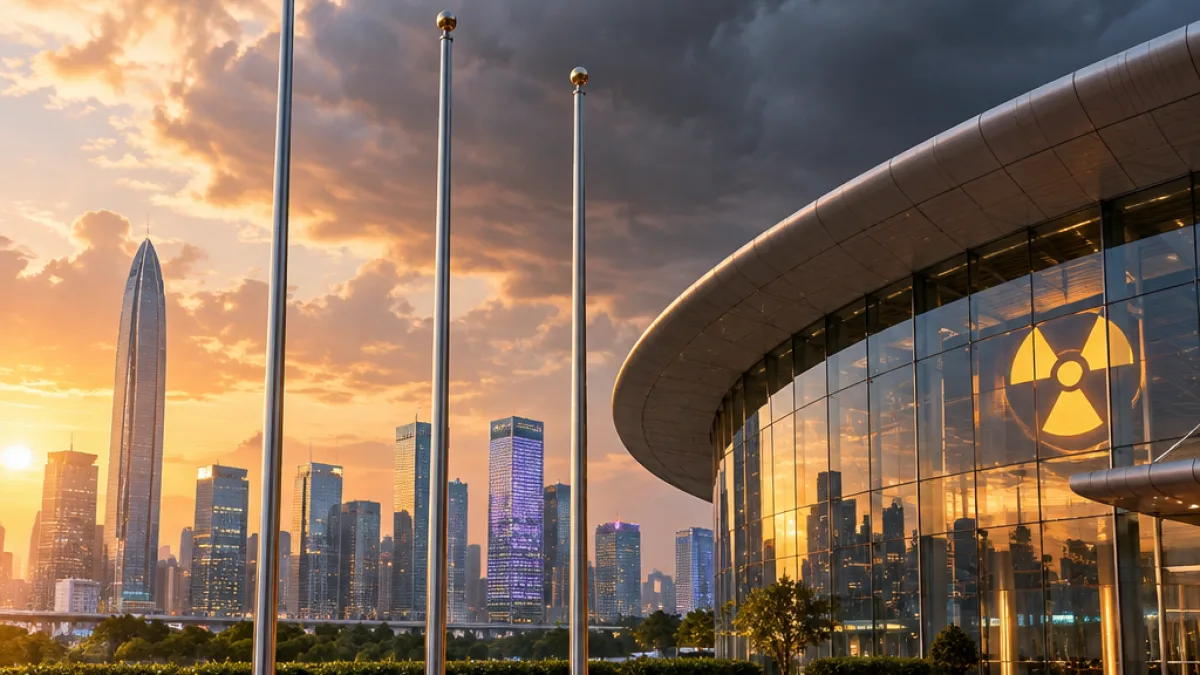
Xi's decision to host the meeting may reflect an effort to underline China's growing influence and international stature. Holding the talks in Shenzhen, a major Chinese technology centre, alongside the APEC summit would allow Beijing to present itself as a central venue for dialogue among the world's most powerful states. At the same time, the gathering could give Trump a platform to pursue his stated interest in a new nuclear framework and direct engagement with both Xi and Putin.
- The meeting is planned for next Thursday during the APEC summit in Shenzhen.
- New START expired in February, leaving the largest US and Russian arsenals without its previous limits.
- Analysts expect the encounter to be more important for symbolism than for immediate agreements.
Whether the planned discussions produce any formal understanding will depend on the leaders' ability to bridge sharply different security calculations. For now, the proposed summit is best understood as a high-level demonstration of diplomatic reach at a time when the three powers remain deeply divided over war, nuclear weapons and the future balance of global power.