
Race officials cancelled the MotoGP event at Phillip Island on Oct. 25, 2026, after weather conditions made safe competition impossible, BBC Sport reported. The call, covered by Tom Rostance, came as organisers assessed hazards to riders, teams and officials.
Immediate outcome and context
The decision removed a marquee race from the season calendar. Phillip Island is a high‑profile venue in the MotoGP championship; the track has been a frequent battleground for top riders, including reigning champion Marc Márquez, who has won there four times in the premier class, according to the report.
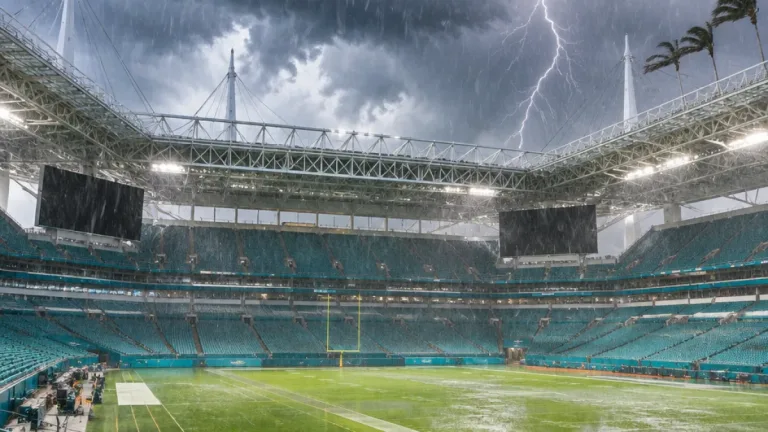
Officials did not continue the event once weather conditions compromised safety. While the BBC report did not list specific meteorological measurements at the circuit, the cancellation underlines the ways in which adverse weather — whether heavy rain, standing water on the track, very low visibility, or strong gusts and crosswinds — can force motorsport organisers to call races off.
Meteorological reasons races are cancelled
From a meteorological perspective, several weather factors commonly trigger cancellations or red flags in motorcycle road racing:
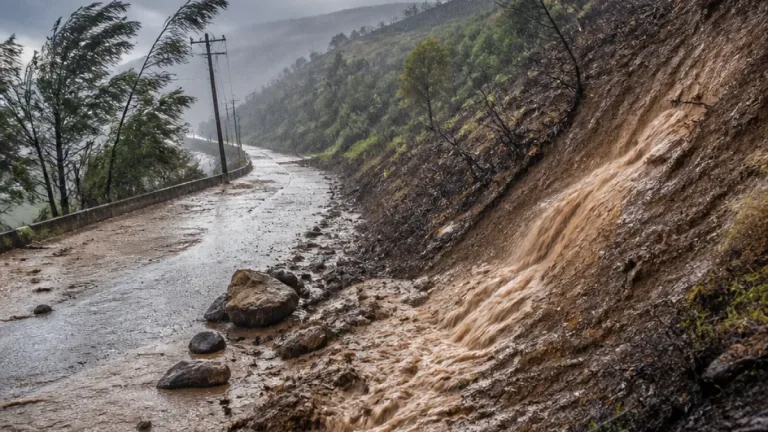
- Hydroplaning risk: Heavy or persistent rain can leave standing water; at race speeds, tyres can lose adhesion and riders may be unable to control their machines.
- Visibility reduction: Low cloud, fog or spray from other bikes can reduce sight lines, increasing the chance of multi‑vehicle incidents.
- Crosswinds and gusts: Sudden lateral gusts can destabilise motorcycles, particularly at high speed on open, coastal circuits.
- Track drainage and temperature: Cool conditions can delay tyre performance and limit braking grip; poor drainage prolongs unsafe wet patches.
Any combination of these factors can lead race control to conclude the risks outweigh the benefits of running, especially in premier‑class motorcycle racing where riders travel at very high speeds and margins for error are small.
Consequences for teams, riders and scheduling
Cancellation of a round has immediate competitive and logistical consequences. Points opportunities are lost, which can affect championship trajectories. Teams, support staff and broadcasters must also adapt quickly to altered schedules and travel plans. The BBC coverage noted the cancellation but did not provide details on rescheduling or points allocation for this round.
Organisers typically follow predefined regulations and safety protocols when deciding to postpone or cancel sessions. Those protocols consider forecasted conditions, track inspections and input from safety officers and rider representatives.
| Item | Detail |
|---|---|
| Date reported | Oct. 25, 2026 |
| Venue | Phillip Island |
| Source | BBC Sport (report by Tom Rostance) |
| Noted competitor | Marc Márquez — four premier‑class wins at the venue |
What to watch next
Race officials and the governing body will determine whether the event can be rescheduled, whether any points will be awarded, or whether the round will be declared null. Any rescheduling also depends on the wider championship calendar and logistical feasibility.
For meteorologists and event planners the incident is a reminder of the particular vulnerability of coastal and exposed circuits to rapidly changing weather. Accurate short‑range forecasting, robust drainage, and clear contingency planning remain key to balancing the spectacle of motorsport with rider safety.