Teck Resources Ltd. faced a wide range of weather-related disruptions during the third quarter, from wildfires and drought in British Columbia to flooding, high winds and snow at its Chilean operations, but the Vancouver-based mining company says it continues to stand by its full-year production targets.
The company described the conditions during a conference call with analysts Thursday as a test of its ability to operate through increasingly variable and severe weather. The impacts were recorded across several mines, including operations in the B.C. Interior and at high-altitude sites in Chile.
“The weather we experienced in the third quarter is a reminder of the very real impacts of climate change and of why building resilience into our operations matters.”
Disruptions across two countries
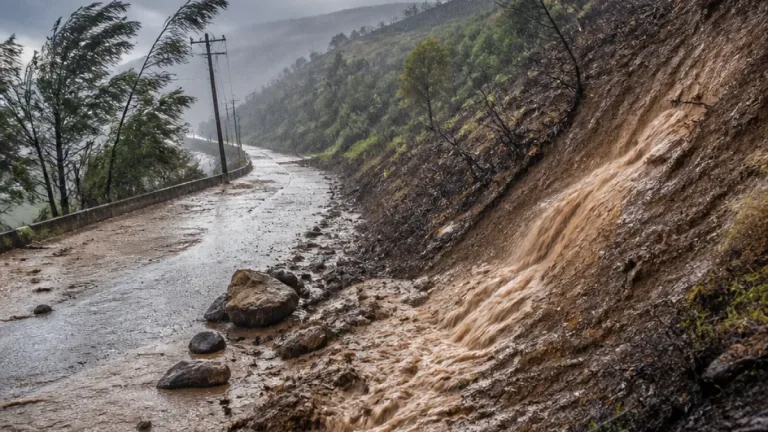
At Carmen de Andacollo, near the southern edge of Chile’s Atacama Desert, torrential rain and flooding affected Teck and its partners. The location is in one of the world’s driest regions, making the heavy rainfall an especially notable contrast to the site’s usual environmental conditions.
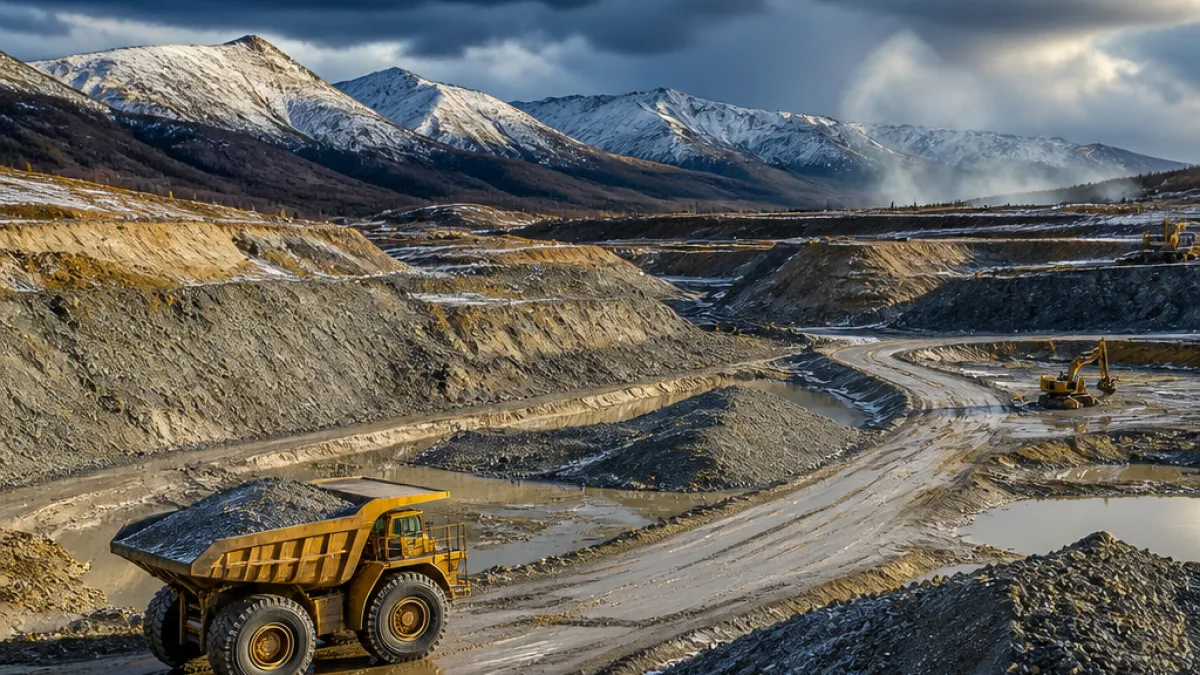
At the Quebrada Blanca copper mine, also in Chile, the company dealt with high winds and snow at high elevation. Those conditions caused intermittent power outages, adding an operational challenge to a site already exposed to difficult mountain weather.
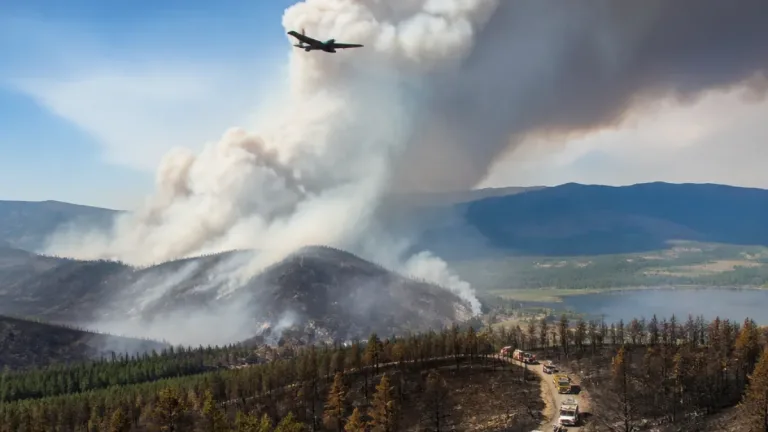
In British Columbia, Teck reported the effects of low water availability linked to drought, as well as a wildfire season that lasted longer than expected. Water supply is an important consideration for mining operations, and the company said the conditions required it to account for weather-related risks in its planning and operating assumptions.
- British Columbia: drought reduced water supplies, while a longer wildfire season affected operations.
- Carmen de Andacollo, Chile: torrential rain and flooding disrupted activity near the Atacama Desert.
- Quebrada Blanca, Chile: high winds and snow contributed to intermittent power interruptions.
Production guidance remains in place
Despite the weather complications, Teck has not changed its overall production guidance for the year. The company expects output at Carmen de Andacollo to land at the lower end of its forecast range of 45,000 to 55,000 tonnes.
Guidance for Quebrada Blanca remains unchanged at 200,000 to 235,000 tonnes for 2026. At Highland Valley Copper in British Columbia, production is expected to finish toward the upper end of the company’s target range of 115,000 to 135,000 tonnes.
| Operation | Weather-related issue | Production outlook |
|---|---|---|
| Carmen de Andacollo | Heavy rain and flooding | Lower end of 45,000–55,000 tonnes |
| Quebrada Blanca | Wind, snow and power interruptions | 200,000–235,000 tonnes |
| Highland Valley Copper | Drought and wildfire pressures in B.C. | Upper end of 115,000–135,000 tonnes |
Weather risk becomes an operating consideration
Teck’s chief executive, Jonathan Price, said the company is adjusting its planning processes and operational assumptions to reflect climate-related risks. He said the company’s plans consider a range of possible scenarios rather than relying on historical conditions alone.
The company’s weather exposure comes alongside labour uncertainty at Highland Valley Copper, where about 1,200 United Steelworkers members have been on strike since the weekend. The mine is operating at reduced capacity, although Teck expects production to remain near the high end of its forecast range. Price said the effect on output will depend on how long the labour action lasts, and the company does not expect a significant effect on construction timelines for a mine-life extension project.
Teck said its priority is to maintain safe and environmentally responsible operations while pursuing a new collective agreement. The combination of weather disruptions, water constraints, wildfire exposure and labour action illustrates the range of factors that can affect resource production, even when a company retains its annual guidance.