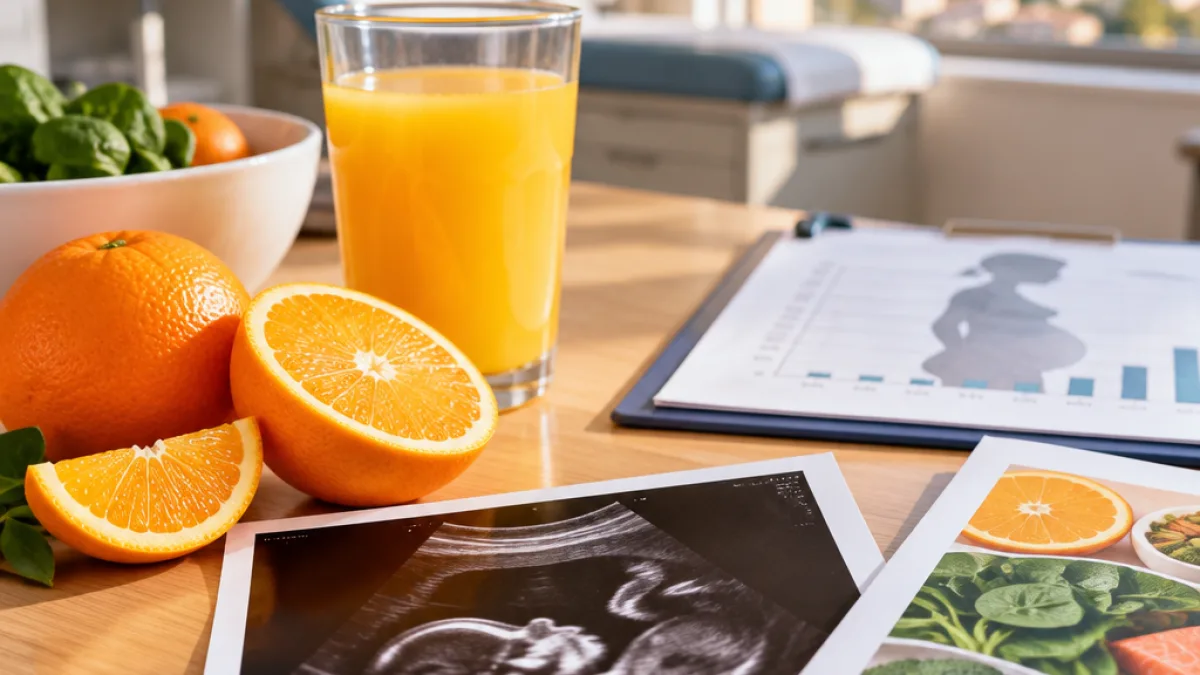
Higher vitamin C intake during pregnancy could help support infant emotional wellbeing, according to new research from Oregon Health & Science University (OHSU), which is examining how nutrition before birth may influence a child’s behavioural and mental health development.
The study, published on 2 November 2026 in Developmental Psychology, found an association between higher levels of stress during pregnancy, lower vitamin C intake and an increased risk of mental health disorders in offspring. The researchers said vitamin C supplementation during pregnancy could potentially help reduce that risk.
The findings do not present vitamin C as a standalone treatment for mental health conditions. Instead, they add to research examining how the intrauterine environment affects development before birth, and whether targeted nutritional support could offset some of the risks associated with poor diet and prenatal stress.
Why nutrition during pregnancy matters
Pregnancy places increased demands on the body’s supply of vitamin C. According to the research, about 25% of pregnant women in the United States consume less vitamin C than required. The nutrient is primarily obtained through fruit and vegetables, which can be costly or difficult to access for some people, particularly those on low incomes and people living in remote areas.
The researchers also noted that stress during pregnancy can affect eating patterns and nutrition. A pregnant woman experiencing significant stress may have less access to, or consume less of, foods containing key nutrients. Those nutritional shortfalls may then influence the development of an infant’s socio-emotional abilities — including how the child responds, learns and interacts.
“Our top priority is the health of the pregnant woman and her baby.”
That statement is from Elizabeth Wood, the study’s lead author and an assistant professor of psychiatry at the OHSU School of Medicine. Wood said the research team was investigating evidence-based recommendations that could support patients during pregnancy and promote healthy brain development in babies.
What the research adds
OHSU researchers had previously linked poor nutrition during pregnancy with a greater risk of certain infant behavioural health and temperament outcomes. The latest work focuses more specifically on vitamin C and whether additional intake could be a practical intervention.
The researchers’ central observations can be summarised as follows:
- Pregnancy increases the demand for vitamin C.
- Higher prenatal stress was associated with lower vitamin C intake.
- Lower intake may be linked to poorer socio-emotional outcomes and greater mental health risk for offspring.
- Supplemental vitamin C may have a protective effect, but the study describes this as a potential benefit requiring further investigation.
| Research observation | Possible significance |
|---|---|
| Stress during pregnancy and lower vitamin C intake | Nutrition may be one pathway through which prenatal stress affects development |
| Additional vitamin C during pregnancy | Could be investigated as an accessible, low-cost intervention |
Access remains part of the health question
The study highlights that nutrition advice cannot be separated from whether people can afford and obtain healthy food. Although vitamin C is commonly associated with fruit and vegetables, the researchers pointed out that these foods may not be equally accessible to all pregnant women. Remote communities and households under financial pressure may face particular difficulties in maintaining an adequate diet.
That context is important when considering possible interventions. A recommendation that depends on regular access to particular foods may not be practical for every patient. The research therefore points towards the need for nutritional strategies that are both evidence-based and widely accessible, rather than assuming that all pregnant women have the same resources.
The findings also reinforce the importance of treating maternal health and infant development as connected concerns. The research team said scientists increasingly understand how the environment in the womb can shape cardiometabolic health, while new work is examining its influence on brain development and early behaviour.
Further research will be needed to establish how vitamin C supplementation affects pregnancy and infant outcomes, and whether it can reliably reduce the risks associated with prenatal stress and poor nutrition. For now, the study offers a possible direction for maternal healthcare research: improving access to essential nutrients while keeping the health of both the pregnant woman and her baby at the centre of care.