Colleges and universities across India have been asked to organise a week of activities focused on sustainable living, as part of BRICS Sustainable Lifestyle Week 2026. The programme runs from November 1 to 7 and is being held under Mission LiFE, India’s initiative to encourage people to make environmentally responsible choices in everyday life.
The request was issued by the University Grants Commission (UGC), which oversees higher education institutions in India. In a letter dated October 30, the regulator asked universities and colleges to arrange campus events, awareness sessions and community activities throughout the week. The intended audience includes students, teachers and other staff members, with institutions encouraged to make sustainability part of ordinary campus life rather than treating it solely as a subject for discussion.
A practical agenda for the week
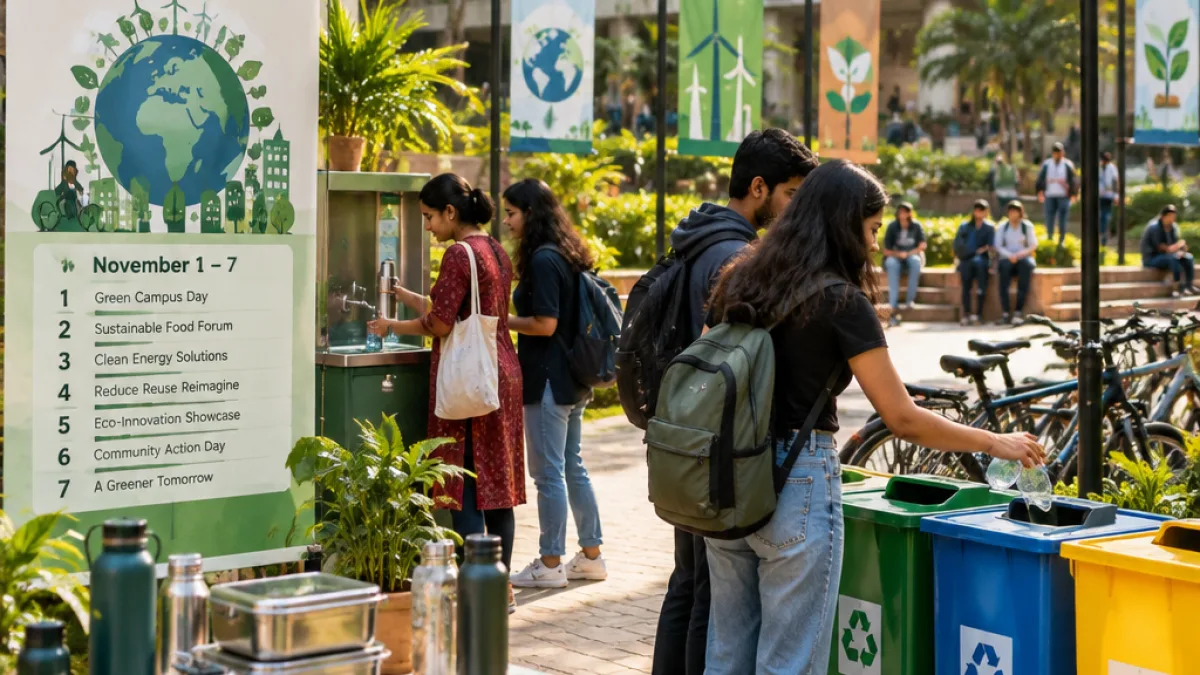
The programme forms part of India’s BRICS Chairship this year. Its seven themes are designed to connect broad environmental aims with familiar decisions about food, water, energy and waste. The Ministry of Environment, Forest and Climate Change has supplied a suggested schedule, allowing institutions to plan activities around one central focus each day.
| Date | Theme | Suggested activities |
|---|---|---|
| November 1 | Healthy living | Yoga, walkathons, tree planting and a LiFE pledge |
| November 2 | Saving energy | Switching off unnecessary appliances for an hour and holding awareness sessions |
| November 3 | Saving water | Promoting rainwater harvesting and addressing leaking taps |
| November 4 | Sustainable food | Highlighting millets, traditional food and ways to limit waste |
| November 5 | Avoiding single-use plastics | Plogging and encouraging reusable bags and bottles |
| November 6 | Reducing waste | Collecting electronic waste and promoting recycling and repair |
| November 7 | Reducing waste | Community clean-ups and waste-to-art projects |
From campus reminders to community action
The proposed activities range from simple changes in behaviour to collective projects. An hour without unnecessary electrical appliances, for example, is intended to prompt discussion about energy use. Repairing leaking taps and sharing information about rainwater harvesting places water conservation in a similarly practical setting. The emphasis throughout is on visible, repeatable actions that can be taken by people living and working on campus.
Food is also given a dedicated place in the schedule. Colleges have been encouraged to promote millets and traditional food, alongside efforts to reduce food waste. The week then moves towards cutting reliance on disposable plastic items, with reusable bottles and bags suggested as alternatives. Plogging, which combines a litter-picking activity with walking or running, is among the proposed ways for students to connect personal wellbeing with care for their surroundings.
- Healthy living: yoga, walking and tree planting are among the opening-day activities.
- Resource awareness: energy and water conservation are addressed through campus campaigns and practical checks.
- Circular habits: recycling, repair, e-waste collection and creative reuse feature in the closing days.
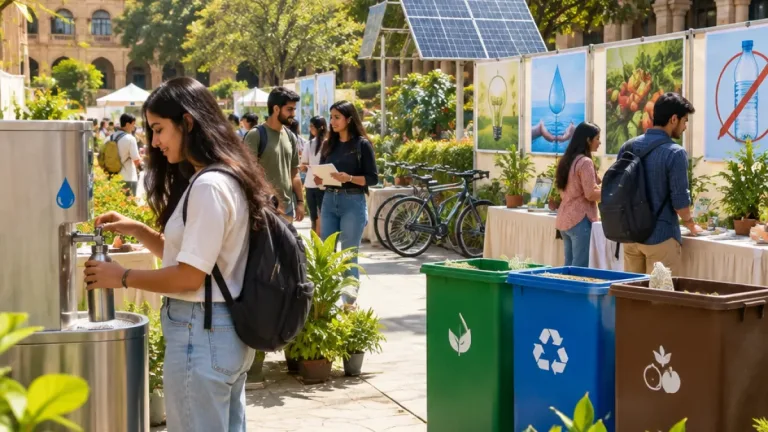
The UGC has asked institutions to involve all parts of their academic communities, including departments, constituent units and field centres. Participation can be organised through green clubs, school eco-clubs, the National Service Scheme and the National Cadet Corps. Colleges and universities have also been asked to display material about BRICS Sustainable Lifestyle Week and Mission LiFE on their campuses, helping to keep the themes visible beyond individual events.
For a week built around sustainability, the structure is deliberately accessible: move more, waste less, use water carefully, reconsider disposable products and pay closer attention to what is thrown away. Its wider purpose is to encourage students and staff to carry those habits into daily life. By bringing environmental messages into lectures, public spaces and community drives, the programme places individual choices within the broader international setting of India’s BRICS Chairship.