Universities and colleges across India have been asked to organise a week of activities encouraging healthier and more sustainable lifestyles, with the programme due to run from 1 to 7 November 2026.
The request has been issued by the University Grants Commission (UGC) as part of the BRICS Sustainable Lifestyle Week, being held under Mission LiFE — Lifestyle for Environment — during India’s BRICS Chairship in 2026. The initiative is intended to involve students, teaching staff and other employees in practical steps that connect everyday habits with environmental responsibility.
A week built around daily actions
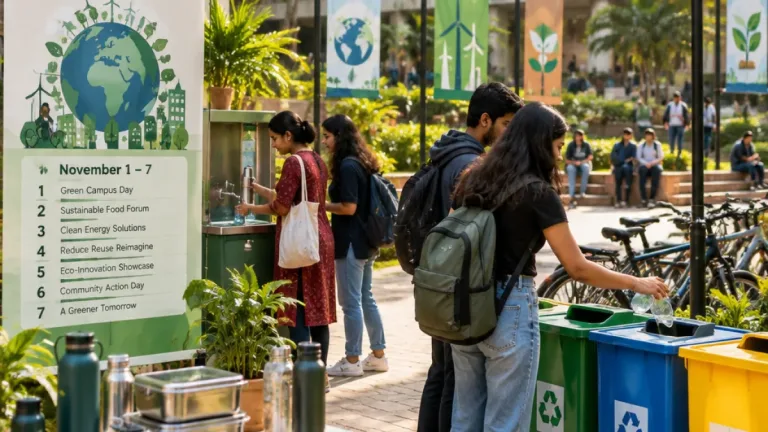
In a communication dated 30 October, the UGC encouraged higher educational institutions to arrange awareness sessions, activities on campus and projects involving surrounding communities. The guidance is aimed at universities and colleges nationwide, and asks them to bring in departments, constituent units and field centres rather than treating the programme as a single-campus exercise.
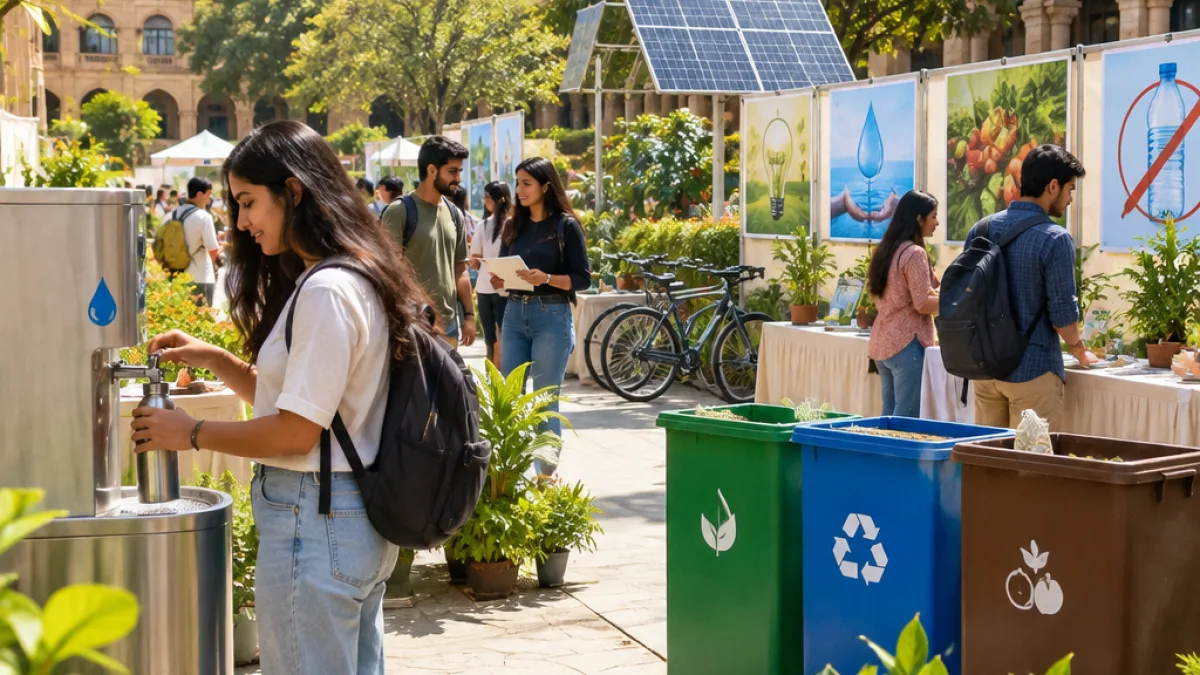
The Ministry of Environment, Forest and Climate Change has provided a day-by-day plan. Its themes range from personal wellbeing to resource management, sustainable food and the reduction of waste. The suggested programme is designed to make the subject tangible, offering institutions a series of activities that can be adapted for students and local communities.
| Date | Focus | Suggested activities |
|---|---|---|
| 1 November | Healthy living | Yoga, walkathons, tree planting and a LiFE pledge |
| 2 November | Energy conservation | Switching off non-essential appliances for an hour and holding awareness sessions |
| 3 November | Water protection | Rainwater harvesting, leak repairs and information campaigns |
| 4 November | Sustainable food | Promoting millets and traditional diets while cutting food waste |
| 5 November | Single-use plastics | Plogging and encouraging reusable bags and bottles |
| 6 November | Waste reduction | E-waste collection, recycling and repair awareness |
| 7 November | Community action | Clean-up campaigns and waste-to-art installations |
From awareness to routine
The structure of the week places familiar lifestyle choices alongside wider environmental concerns. A walk or yoga session sits alongside repairing leaks, reducing discarded food and reconsidering the use of disposable plastic. That combination gives institutions room to present sustainability not simply as a policy issue, but as something reflected in the routines of campus life.
Several of the suggested actions are deliberately straightforward. Participants may be asked to turn off appliances that are not needed, carry reusable bottles and bags, or join a collection for unwanted electronic equipment. Other activities, including tree planting, rainwater harvesting and community clean-ups, are intended to connect campus participation with visible changes in shared spaces.
- Wellbeing: yoga, walking and healthy-lifestyle activities open the programme.
- Resources: energy and water conservation are given dedicated days.
- Consumption: food choices, food waste and single-use plastics form part of the schedule.
- Circular habits: recycling, repair, e-waste collection and waste-to-art projects close the week.
Institutions asked to involve their wider networks
The UGC’s guidance extends beyond individual participants. Departments, constituent units and field centres are all expected to be involved, while the suggested community initiatives offer a route for institutions to work beyond their immediate campuses. The programme therefore combines internal awareness with activities intended to reach the areas around participating colleges and universities.
BRICS Sustainable Lifestyle Week will run for seven days, with each day assigned a distinct theme. The emphasis is on participation across the education system and on practical examples of responsible living. For students and staff, the schedule provides a clear checklist of actions; for institutions, it offers a framework for making environmental awareness part of campus activity during India’s 2026 BRICS Chairship.