State-wide sporting event begins
The third Nagaland State and Para Games will begin in Dimapur and Chümoukedima on November 2, bringing together athletes from all 17 districts of the state. Sporting competitions are scheduled to start on November 3 and will continue until November 14.
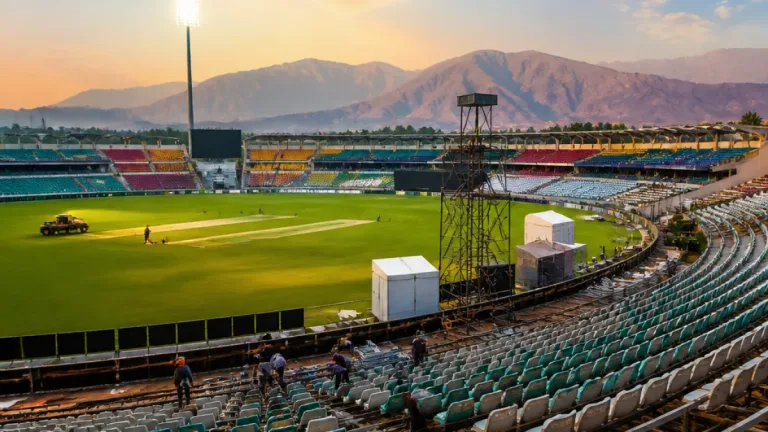
More than 3,000 participants have registered for the 2026 edition, making it the largest staging of the event so far, according to the Nagaland Olympic Association. Competitions will be held in 14 sporting disciplines at eight venues located across the two urban areas.
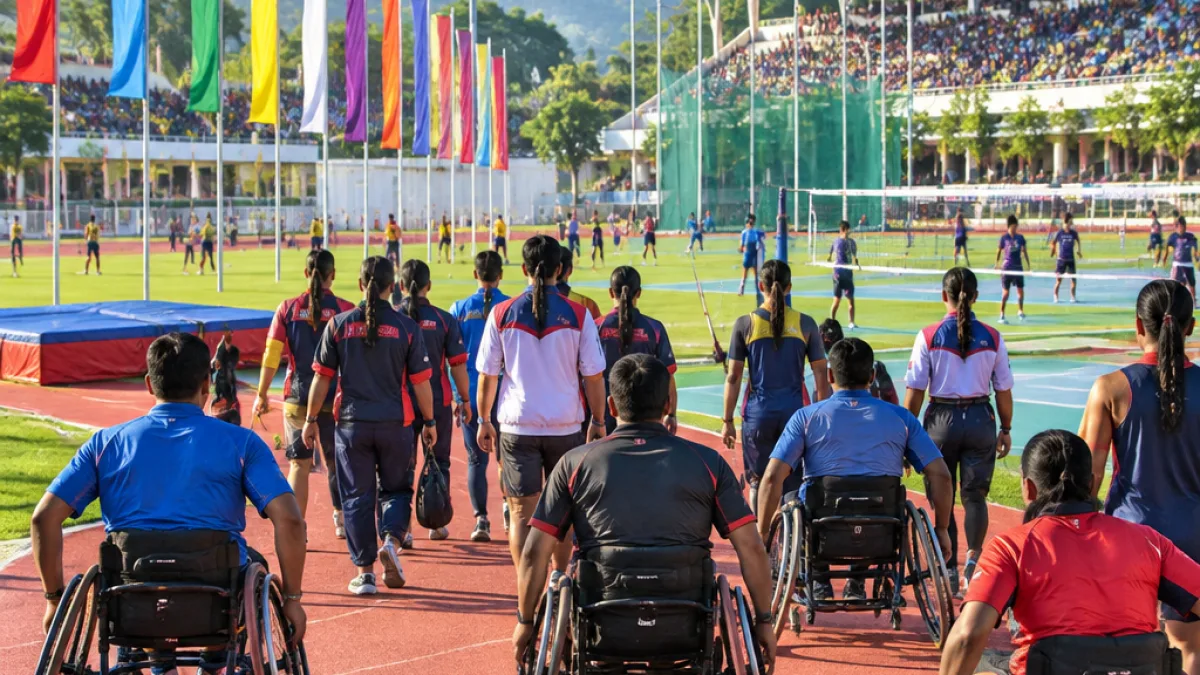
The event is being organised as a platform for young sportspeople to compete at the state level and gain exposure in a structured multi-discipline meet. It will also include para-sport participation, placing athletes with disabilities within the wider sporting programme rather than treating their events as separate from the state’s principal competition calendar.
Two-phase format to manage events
NOA secretary general Abu Metha said the scale of the Games and the arrangements required for different disciplines had led organisers to divide the competitions into two phases. Seven disciplines have been assigned to each phase.
Individual state sports associations will be responsible for conducting and supervising their respective disciplines. This arrangement is intended to allow each association to manage the technical and operational requirements of its sport while the central organising structure coordinates the overall Games.
The Games Village has been established at the Nagaland Police Complex in Chümoukedima. It will function as the main coordination and logistics centre during the event, although several competitions will take place at venues outside the complex.
Competitions spread across Dimapur and Chümoukedima
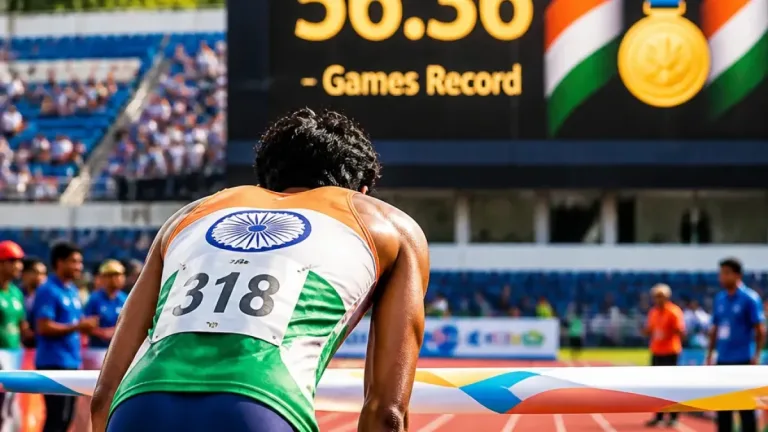
The disciplines specifically identified for venues away from the Games Village include athletics, sepak takraw, wrestling, table tennis and Pencak Silat. Participants, officials and spectators will therefore need to note that the competition is not confined to a single campus.
The venue arrangement reflects the practical demands of hosting a large sporting programme involving thousands of participants. The Games Village will remain the principal hub, while separate sporting facilities will be used for events requiring their own competition spaces and equipment.
- Dates: November 2 to 14, 2026
- Competition begins: November 3
- Participants: More than 3,000
- District representation: All 17 districts
- Disciplines and venues: 14 sports across eight venues
Focus on amateur competition
The Games will be conducted in the open category. Metha said the State Games were designed primarily to promote amateur sport and provide athletes from across Nagaland with a competitive platform.
Unlike some sporting competitions where financial incentives form part of the prize structure, the 2026 Games will not offer cash awards. Winners will receive medals and certificates, with the emphasis placed on participation, competition and identification of sporting talent.
The absence of cash prizes also sets the event’s purpose clearly as a state-level development and selection exercise. Athletes will be competing for recognition and the opportunity to progress within Nagaland’s sporting system, rather than for a direct monetary reward.
Selection pathway for North East Olympics
One of the important functions of the Games will be the identification and selection of athletes for Nagaland’s contingent at the forthcoming North East Olympic Games. Performances during the competitions will therefore have significance beyond the closing of the state meet.
For athletes from districts outside the main urban centres, the Games provide an opportunity to compete within a common state-level framework. The participation of all 17 districts is expected to give organisers a broader base from which to assess talent across different disciplines.
The NOA has acknowledged the support and sponsorship of the State Government for the event. Metha also appealed to the public to extend their support to the athletes and organisers as the Games proceed.
Logistics and public participation
With events distributed across Dimapur and Chümoukedima, coordination will remain a central requirement throughout the 13-day programme. The Games Village at the police complex will serve as the principal point for logistics and coordination, while sports associations will oversee the conduct of their own events.
The State and Para Games are intended to celebrate Nagaland’s young athletes and reflect the state’s growing sporting ambitions. Their immediate outcome will be determined by the competitions, but the broader value lies in creating a recurring platform through which district-level participants can test themselves, earn recognition and come under consideration for future state representation.