Comparisons of earlier and current schoolbooks in Syria have prompted renewed questions about what students will learn after the country’s 2024 political changes, with observers pointing to the disappearance of civic‑education lessons and the alteration or removal of cultural imagery and representations of women.
What changed in the textbooks
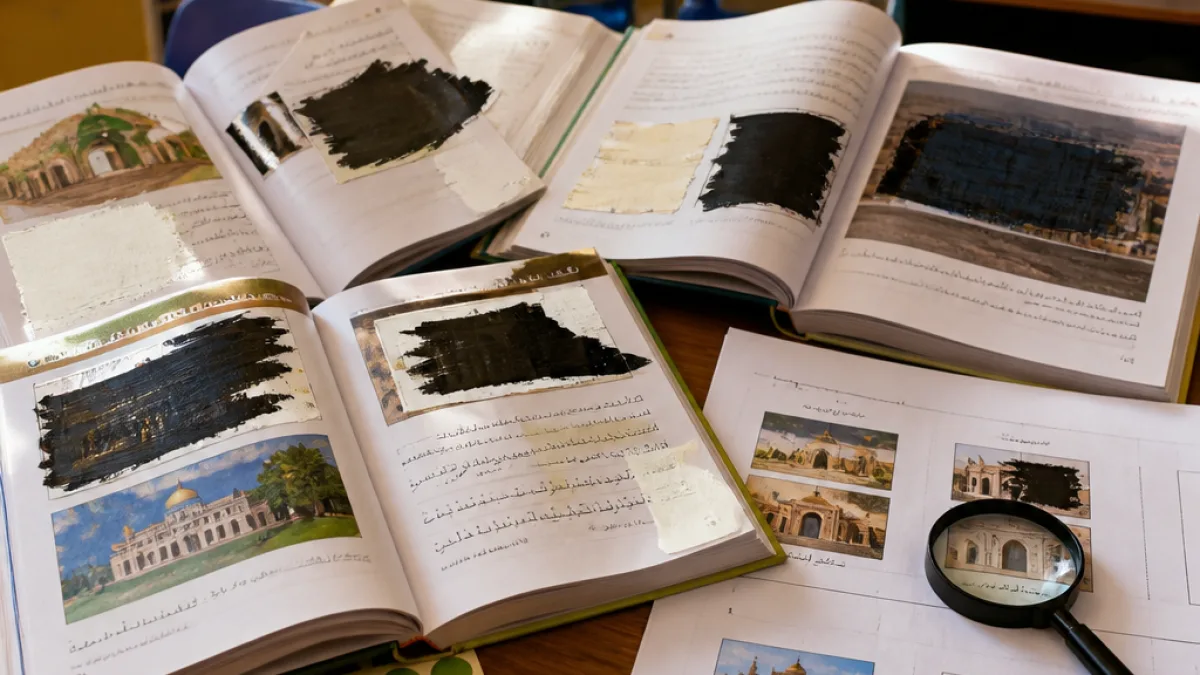
Analysts and Syrian fact‑checking organisations have circulated side‑by‑side comparisons of textbooks that document a range of edits. Among the examples highlighted are the removal of an image of the ancient Bethnahrinian singer Ornina from a third‑grade social‑studies book and the deletion of the Mona Lisa from a seventh‑grade history volume. In several instances, photographs, sculptures and other visual material have been covered, replaced or deleted.
Illustrations of women and children have also been revised: some female figures previously shown without head coverings now appear wearing a hijab, others have been redrawn in more conservative dress such as the jilbab, and some images have been simplified or substituted altogether.
| Change documented | Textbook example |
|---|---|
| Removal of cultural imagery | Ornina image removed from 3rd‑grade social studies |
| Removal of Western art | Mona Lisa deleted from 7th‑grade history |
| Altered depictions of women | Women redrawn with hijab or jilbab; simplified illustrations |
Loss of civic learning and emerging questions
Observers have also noted the disappearance of lessons on citizenship and democratic participation from some revised materials. The changes have reignited debate about whether revisions are limited to eliminating the previous regime’s ideological markers or reflect a wider reorientation of social and religious content in the country’s education system.
Those circulating the comparisons say the edits go beyond removing symbols associated with the former government and raise questions about the standards and decision‑making process used by the new authorities.
“only one round of curriculum amendments had been conducted since the fall of Bashar al‑Assad’s government in December 2024.”
The Ministry of Education asserted that only a single round of changes has been made since the government change and characterised the work as an effort to eliminate the former regime’s ideological legacy and to promote national unity. The ministry’s statement does not, however, address the specific visual and content alterations highlighted by independent comparisons.
- Fact‑checking groups in Syria have verified multiple alterations to textbooks across grade levels.
- Changes documented include both textual omissions — notably civic‑education material — and visual edits affecting cultural artefacts and portrayals of women.
- The Ministry frames the revisions as corrective measures to remove the prior regime’s influence, while critics question broader cultural and religious criteria guiding edits.
For educators, parents and students, the reported revisions carry practical and symbolic significance. Civic‑education content helps shape young people’s understanding of participation, rights and responsibilities — content that many education specialists view as central to rebuilding a pluralistic, participatory society. Visual representations in textbooks also communicate norms about diversity and gender to children at formative ages.
The circulation of comparative material online has intensified scrutiny and will likely prompt closer attention from international observers and education specialists monitoring post‑conflict curriculum reform. At issue is not only which pages have been altered but the principles guiding revision: whether the goal is limited denazification of materials linked to the old regime or a broader realignment that privileges particular cultural and religious norms.
As the debate continues, educators and policy watchers say transparent criteria and participation by teachers, civil‑society stakeholders and subject‑matter experts are critical to rebuilding trust in the national curriculum and ensuring school materials reflect a pluralistic and inclusive approach to history, culture and civic life.