Winter deaths cast shadow over summer season
The start of South Africa’s 2026 summer initiation season has been accompanied by renewed concern over the safety of young people entering traditional initiation schools, following the deaths of 48 initiates nationally during the winter season.
The Eastern Cape recorded 14 of those deaths, placing the province among the areas most affected and intensifying calls for closer supervision by families, traditional leaders and government authorities. The fatalities have also brought renewed attention to whether initiation schools are being properly monitored and whether health risks are identified early enough.
Traditional initiation remains an important cultural practice for several South African communities. It is widely understood as a transition from boyhood to manhood, carrying responsibilities that extend beyond the period spent at an initiation school. But the continuation of the practice has been placed under strain by recurring reports of deaths, injuries and unsafe conditions.
Parents urged to remain involved
Nkosi Buyanda Matanzima has called on parents to take a more active role in their children’s initiation journeys. His warning centres on the danger of families treating the handover of their sons to traditional surgeons or initiation-school operators as the end of their own responsibility.
Families face important decisions before a young person enters an initiation school, including determining whether the school is legally recognised and whether it can provide suitable care. The concerns raised after the winter deaths suggest that parents and guardians also need to remain alert to changes in an initiate’s health during the process.
That involvement is particularly important when a health problem develops. The reported risks include dehydration, infected wounds, physical abuse and delays in getting medical treatment. In such circumstances, a failure to recognise deterioration or act quickly can turn a treatable condition into a life-threatening emergency.
Safety concerns extend beyond illegal schools
Authorities have faced continuing pressure to close or prevent the operation of illegal initiation schools. However, the safety challenge does not end with enforcement against unregistered operators. Registered schools must also maintain conditions that protect the health and dignity of initiates.
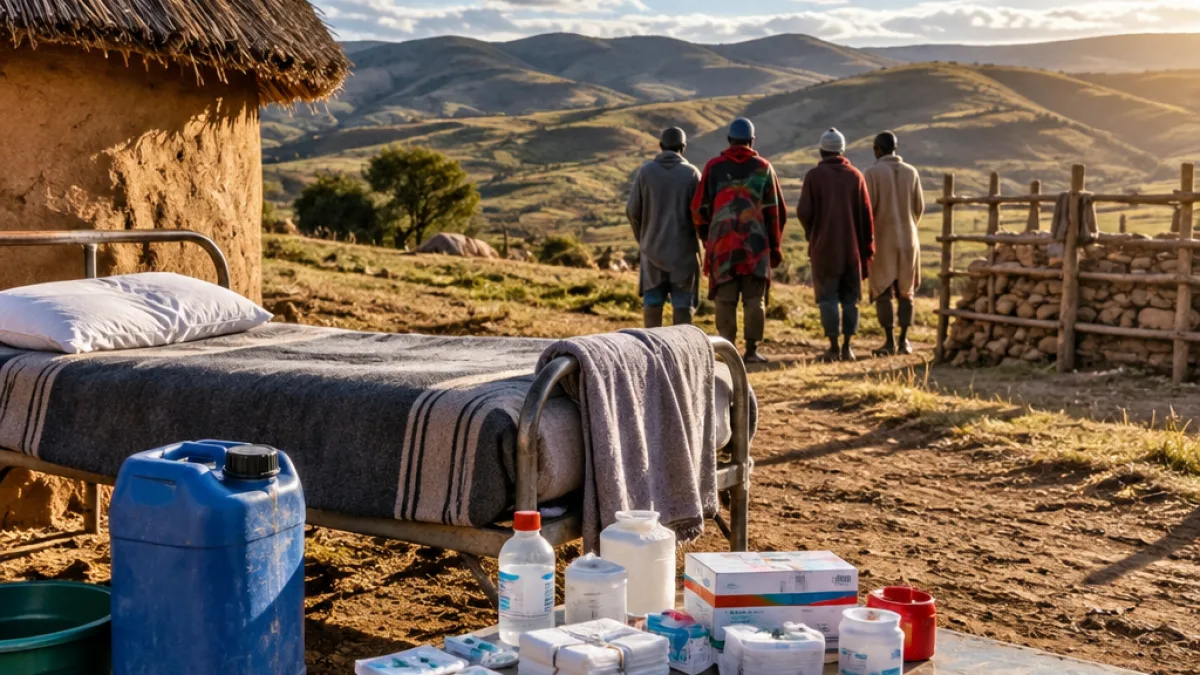
The basic safeguards identified in the reporting include health screening before admission, access to clean water, appropriate accommodation and medical attention when required. These are not peripheral considerations. They are central to ensuring that a cultural practice does not expose young people to avoidable harm.
| Measure of concern | Reported figure or issue |
|---|---|
| National winter initiation deaths | 48 |
| Deaths recorded in the Eastern Cape | 14 |
| Key safety risks | Dehydration, infected wounds, abuse and delayed treatment |
Oversight will be tested as summer begins
The latest figures place pressure on traditional leaders and government institutions to strengthen oversight before more initiates enter schools. Authorities must not only identify illegal operations, but also establish whether schools operating within the law are meeting acceptable standards of care.
Effective oversight requires attention to the full journey of an initiate: screening before admission, the conditions at the school, the availability of water and accommodation, and the speed of the response when illness or injury occurs. Each stage presents an opportunity to prevent a death, provided responsibility is clearly understood and action is not delayed.
For communities, the issue is both deeply personal and public. Families entrust initiation schools with their children during a significant cultural passage, while communities expect traditional leaders and the state to ensure that the practice is conducted safely. The loss of 14 lives in the Eastern Cape during winter has made that expectation more urgent.
Protecting culture while protecting lives
The debate is not simply about whether traditional initiation should continue. It is about how the practice can be protected from unsafe operators and conditions that undermine its cultural purpose. The repeated loss of young lives has made stronger checks, responsible family involvement and reliable access to medical care unavoidable parts of that conversation.
As the summer season proceeds, parents and guardians have been urged to establish whether an initiation school is legally recognised and to remain engaged with their children’s wellbeing. Traditional leaders and authorities, meanwhile, face the responsibility of ensuring that warnings are matched by practical monitoring and swift intervention when standards are breached.
The immediate priority is to prevent the winter toll from being repeated. For the families preparing to send their sons to initiation schools, safety cannot be separated from the tradition itself. A season free of preventable deaths would help preserve both the lives of initiates and the integrity of a practice that remains important to many Eastern Cape communities.