A restaurant name creates a geographical mix-up
A restaurant called Butterworth’s in Washington DC became the setting for a politically charged dinner on the eve of an election, according to a report published on 16 November 2026. The venue has no stated connection to Butterworth in the Eastern Cape, and the dispute described in the report concerns a ballot measure in the United States rather than any matter before residents or authorities in South Africa.
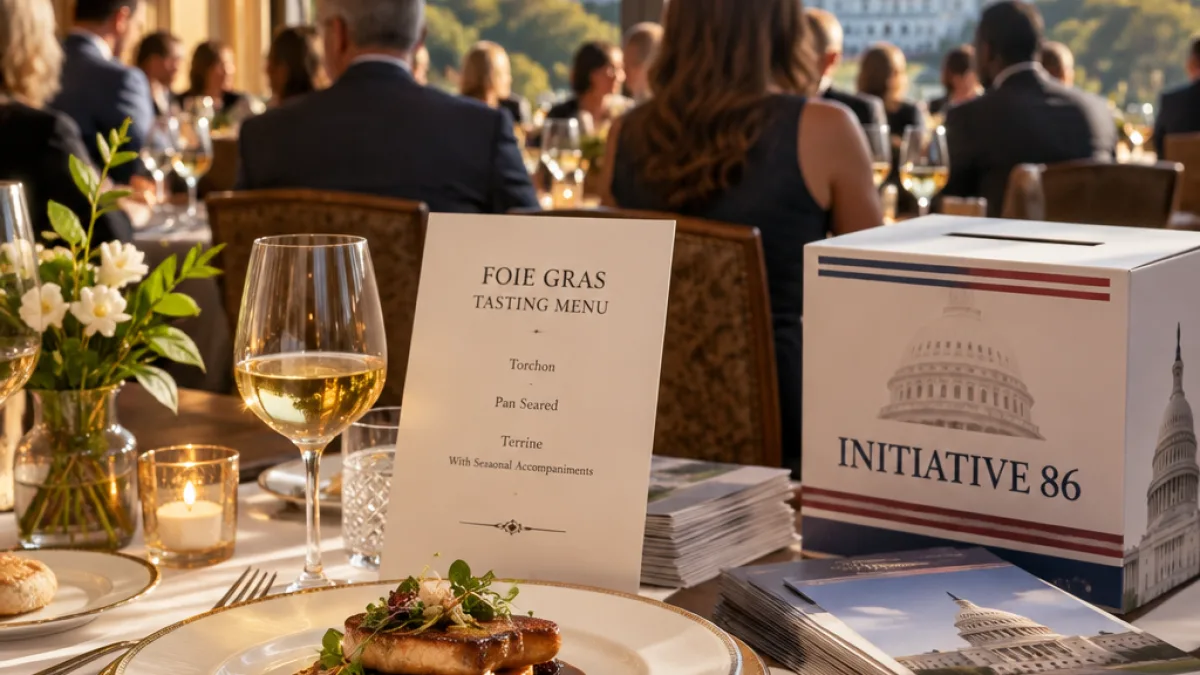
The Capitol Hill restaurant is co-owned by chef Bart Hutchins and was described as a meeting place for young supporters of the Make America Great Again movement. Hutchins had warned that Washington would be quiet before Election Day, saying people had left the capital to campaign in battleground states ahead of the midterm elections. Despite that expectation, the restaurant was busy on the Monday evening before voters were due to decide on Initiative 86.
The proposal sought to prohibit the sale of foie gras within Washington DC. Hutchins had positioned himself against the measure and was described as its most prominent restaurant-sector opponent. His objections included concerns about the rights of business owners, the cultural associations surrounding foie gras and what he regarded as the risk of government dictating what people may eat.
“Foie Gras at the End of the World”
That phrase appeared on the restaurant’s special menu, which ran for one week and ended on the night described in the report. The four-course meal cost 150 US dollars, with proceeds intended for a foie gras legal defence fund. The menu and the crowded dining room made the restaurant both a commercial venue and a platform for opposition to the proposed ban.
The animal welfare argument
Foie gras is produced by enlarging the livers of ducks, commonly through a process known as gavage. The method involves feeding the birds through plastic tubes, a practice that animal-rights campaigners say causes suffering. The organisation behind Initiative 86, Pro-Animal Future, had also supported a similar ballot measure in Denver.
Opponents of the ban, including chef José Andrés, argued that foie gras production should not be singled out while other forms of intensive farming continue. The report noted that only two small farms in the United States commercially sell foie gras, both in New York’s Hudson Valley, and that relatively few restaurants serve it. Hutchins argued that conditions in a typical high-volume chicken farm could be more cruel than gavage. One veterinary representative had previously compared the procedure with taking a cat’s rectal temperature.
What the report establishes
- Location: the restaurant is on Capitol Hill in Washington DC, not in Butterworth, Eastern Cape.
- Issue: Initiative 86 proposed a ban on the sale of foie gras within the city.
- Response: Butterworth’s hosted a four-course fundraising menu opposing the measure.
The account also described one dish: a Waldorf salad made with Shenandoah apples and topped with cured, frozen and shaved foie gras. The report ends while describing that course, and does not provide the result of the vote or state whether Initiative 86 passed.
| Item | Details |
|---|---|
| Restaurant | Butterworth’s |
| City | Washington DC |
| Proposal | Initiative 86 |
| Menu | Four courses, 150 US dollars |
For Butterworth residents, the central fact is the distinction between a place name and a local event. The supplied report contains no information about the Mnquma municipal area, Eastern Cape food businesses, local elections, animal-welfare regulation or any community issue in the town. Its relevance to the Butterworth local page rests only on the restaurant’s name, while the substantive debate belongs to Washington DC’s political and dining scene.