
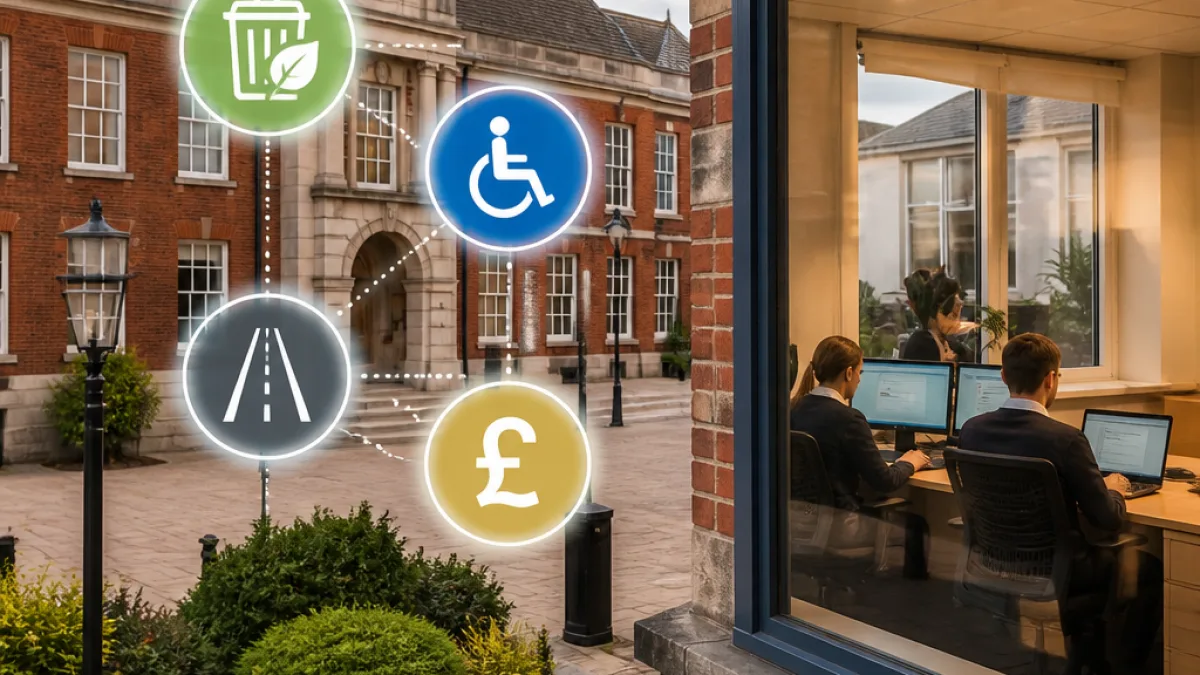
City says streamlining is easing the cost of doing business
The City of Cape Town has documented 51 reform actions across nine business-facing services since 2022 as part of an Ease of Doing Business (EoDB) programme aimed at cutting municipal red tape, improving turnaround times and supporting economic activity across the metro, the City reported on 26 October.
According to the City, the programme combines process simplification, digital platforms and targeted campaigns to remove unnecessary delays that increase costs for businesses. Key performance shifts the City highlighted include a dramatic reduction in wayleave approval times and a shorter median turnaround for business licences.
"Government processes should help businesses grow, not stand in their way," the City said in its overview of the programme.
Examples of reported improvements include:
- Wayleave approvals — average turnaround reduced from about 40 days to 6 days.
- Business licence turnaround — median times fell from 44 days (July–September 2025) to 18 days (April–June 2026).
- Engagement and simplification — the City’s "Stupid Rule" initiative attracted more than 1 500 staff submissions identifying rules that could be simplified or removed.
Digital tools, targeted reforms and ongoing priorities
The City said digital platforms have been expanded so customers can submit applications, track progress and access services online. Other reforms cited were simplification of informal trading permits, improvements to electricity and water connections, modernising revenue clearance certificates and streamlining development application processes.
While the City presented the changes as delivering encouraging results, it also acknowledged areas that still require work. The City singled out land use applications, building plan approvals and public land transfers as persistent bottlenecks that continue to frustrate developers and entrepreneurs.
Officials also noted that some constraints lie beyond municipal control and will require national-level action. The City is advocating for regulatory reforms at national level and improvements at the Port of Cape Town to reduce broader costs of doing business that affect exporters and importers in the metro.
Measured gains — and a higher satisfaction score
The City cited its latest Business Satisfaction Survey as evidence of progress. The survey returned an overall Public Service Quality score of 92, up from 86 in 2023/24.
| Indicator | Earlier period | Recent period |
|---|---|---|
| Average wayleave approval (days) | ~40 | 6 |
| Median business licence turnaround (days) | 44 (Jul–Sep 2025) | 18 (Apr–Jun 2026) |
| Public Service Quality score | 86 (2023/24) | 92 (latest) |
Local business groups and small operators have long complained that municipal processes add costs and delay investment. The City’s emphasis on measurable targets and digital tracking aims to give applicants clearer expectations and reduce discretionary delays from within departments.
What this means for Cape Town residents and traders
For informal traders, start-ups and established firms that contend with municipal permits, quicker wayleave and licence processing can reduce time spent waiting and lower holding costs. Improvements to electricity and water connections target one of the most persistent operational headaches for new and expanding businesses in the metro.
However, because land use approvals and building plan processes remain slow, opportunities for large projects and densification in parts of the city could still be hampered. The City’s push for national engagement on port and regulatory reforms indicates an awareness that local gains can be offset by national-level bottlenecks affecting trade and logistics.
The City said it will continue to roll out reforms and monitor the impact on turnaround times and business confidence while identifying further internal rules to remove. The EoDB programme represents a focused municipal effort to make Cape Town more accessible to business and investment, even as challenges remain in specific technical areas.