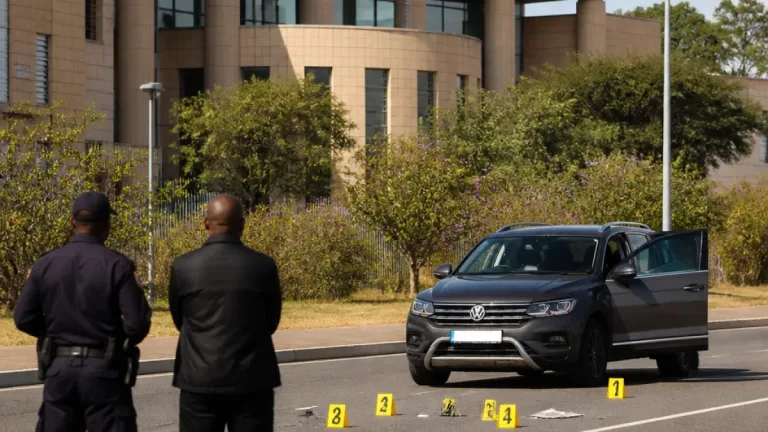
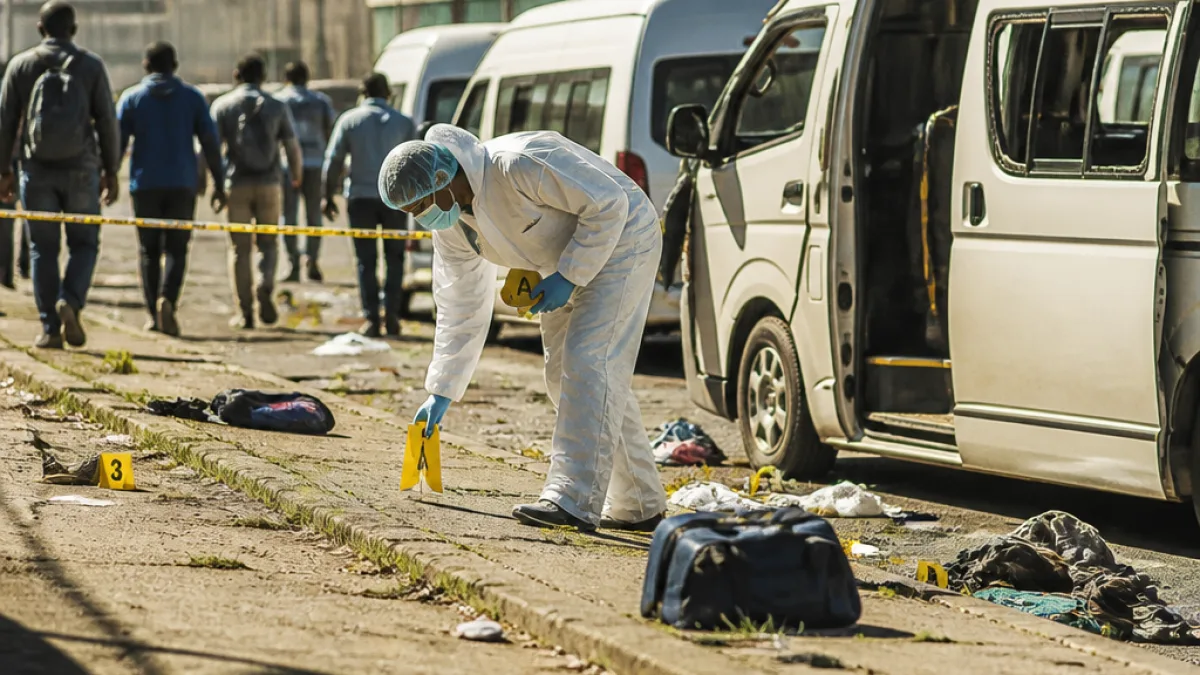
Western Cape police had prior intelligence about a planned attack at Delft’s Palm taxi rank before gunmen opened fire on Wednesday morning, leaving two people wounded and sending commuters running for safety.
The confirmation by provincial police commissioner Major-General Sizakhele Dyantyi has placed renewed focus on how warnings about possible taxi violence are acted on, as investigators probe a series of shootings linked to a dispute between rival associations.
Commuters caught in morning attack
The shooting happened on 28 October 2026 as people gathered at the rank to travel to work and other destinations. According to the available information, gunmen fired at random, creating panic among hundreds of commuters in the busy transport area.
Two people were injured in the attack. The source information does not provide their identities or details about the severity of their injuries. No arrests or information about suspects were given in the initial account.
The Palm taxi rank is at the centre of a conflict involving the Cape Organisation for the Democratic Taxi Association, known as CODETA, and the Cape Amalgamated Taxi Association, or CATA. Police are investigating the recent violence as part of that wider feud over control of routes.
Internal advisory warned of possible escalation
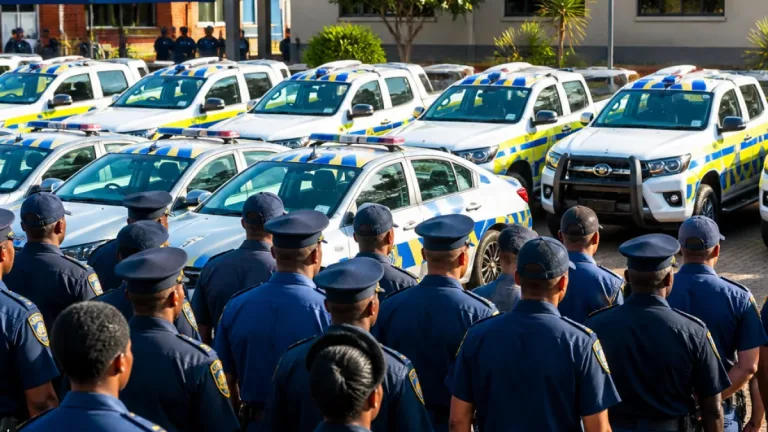
At a joint briefing by SAPS and the City of Cape Town’s law enforcement department on Thursday, Dyantyi confirmed that police had received intelligence about an attack planned for the Delft rank.
The warning was contained in a Provincial Operational Command Centre advisory dated 27 October. The document, which had circulated on social media messaging groups, reportedly stated that CATA members had been instructed to assemble at the Nyanga Terminus from 4am the following day and that they should be armed.
It also warned that any attempt by CATA to take control of the Delft rank could provoke a violent response from CODETA. The advisory identified the possibility that the violence could spread beyond Delft to several other transport corridors and taxi ranks.
| Key detail | Information available |
|---|---|
| Location | Palm taxi rank, Delft |
| Date of shooting | 28 October 2026 |
| People injured | Two |
| Police briefing | 29 October 2026 |
| Associations named | CODETA and CATA |
Police recommendations before the shooting
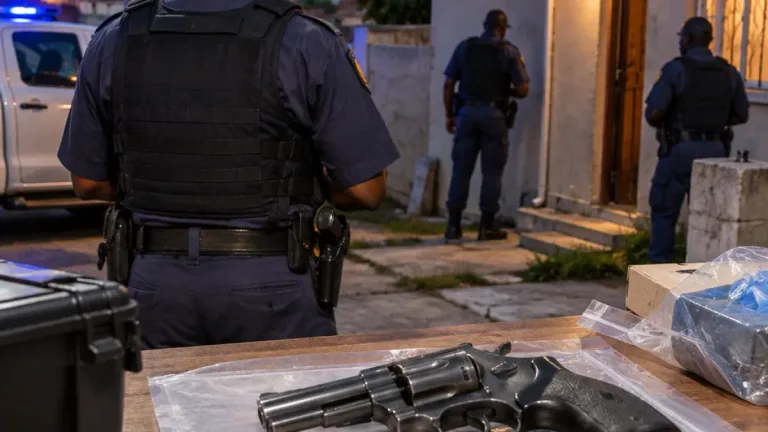
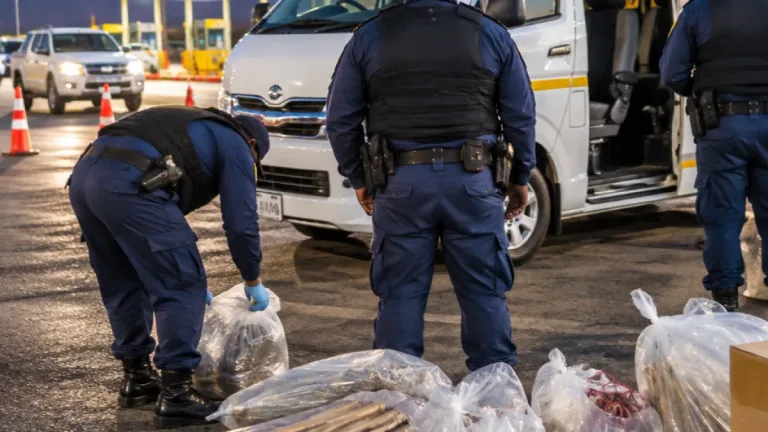
The advisory recommended a stronger visible police presence at taxi ranks in Delft, patrols along the main routes leading to and from the ranks, vehicle checkpoints and stop-and-search operations aimed at finding illegal firearms.
It also identified a number of areas that could potentially be affected if the conflict escalated. These included Langa, Epping, Maitland, Mutual, Bonteheuwel, Mfuleni, Bellville, Khayelitsha and Gugulethu, as well as smaller ranks in those areas and elsewhere.
- High-visibility SAPS and law-enforcement deployments at taxi ranks.
- Patrols on routes used by commuters travelling to and from Delft.
- Vehicle checkpoints and searches focused on illegal firearms.
- Monitoring of other ranks identified as possible targets.
The recommendations underline the difficulty of policing taxi violence across a network that connects multiple communities. A confrontation at one rank can affect commuters well beyond the immediate scene, particularly when rival associations are contesting routes and operating areas.
Broader taxi conflict under investigation
The Delft incident came amid what police described as a recent wave of violence connected to the CODETA-CATA dispute. Ten people have been shot over recent days, according to the information provided, although the circumstances of each shooting were not set out.
The conflict has placed commuters, drivers and people working at taxi facilities in the path of violence. Ranks are often busiest during the early morning peak, when large numbers of passengers gather in confined spaces and vehicles move in and out along heavily used routes.
For residents who depend on minibus taxis, the impact of such attacks extends beyond the immediate danger. Fear at a rank can affect whether people are able to reach work, school, medical appointments and other essential services. The available information does not indicate whether any routes were suspended after the Delft shooting or whether changes were made to the operating arrangements at the rank.
Commissioner confirms intelligence was available
Dyantyi’s confirmation that police had intelligence before the attack is likely to intensify questions about the relationship between warnings, operational deployments and the protection of commuters. The advisory had set out a possible sequence of events and recommended specific measures, including a stronger presence at the Delft rank.
However, the account available does not provide the commissioner’s full response to questions about how the intelligence was handled, what deployments were made before the shooting or whether any operational failures were identified.
SAPS and City of Cape Town law enforcement were expected to continue dealing with the immediate security risks around taxi facilities while the investigation into the shooting and the wider route dispute proceeds. Commuters using ranks in Delft and surrounding areas should remain alert to official safety notices and report suspicious activity or illegal firearms to the police.