A24’s Elizabeth Holmes documentary continued to defy expectations in its second weekend of wider release, drawing a younger audience and turning into one of the year’s breakout theatrical successes, while DC Studios’ R‑rated Clayface opened with a healthy, if modest, take that should secure profitability for the studio.
Box‑office winners: surprise documentary and a lean comic‑book gamble
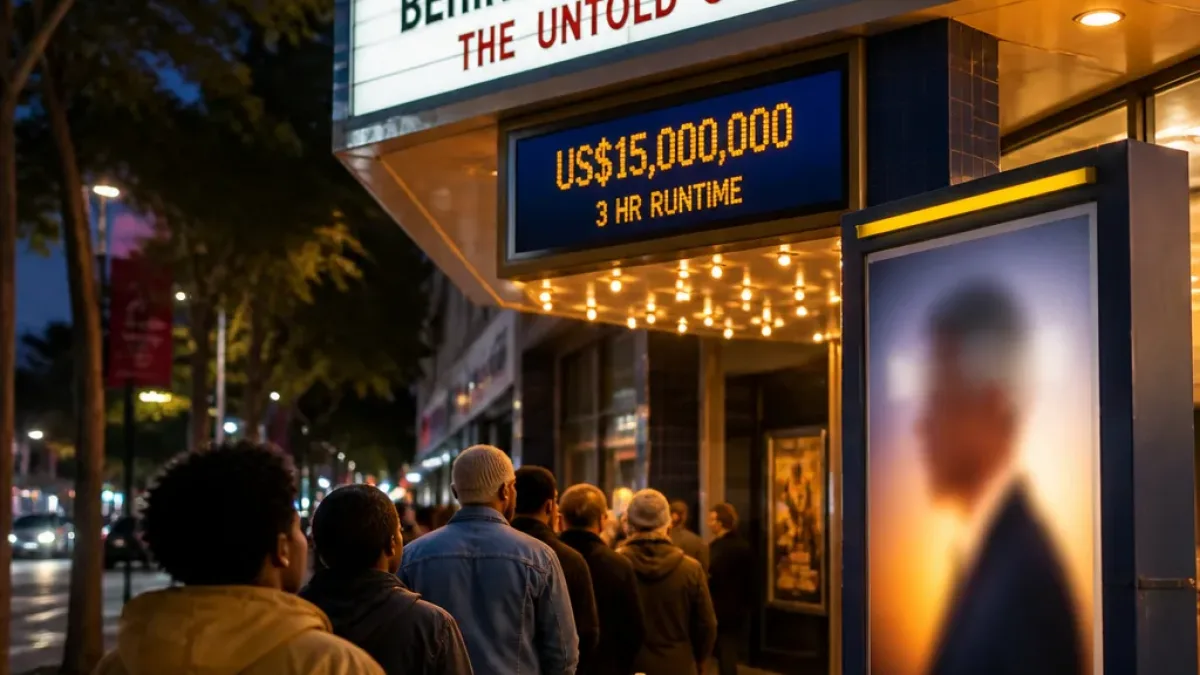
According to studio estimates reported by the Associated Press, the documentary You Can See Everything grossed roughly R351 million (about $19.5 million) in its first weekend of wide release after expanding from 855 to 2,655 theatres. The film has now reached approximately R812 million (about $45.1 million) after two weeks — numbers that place it among the higher‑grossing documentaries on record.
At the same time Warner Bros.’ latest DC title, Clayface, opened in 3,458 theatres and earned an estimated R432 million (about $24 million) over the weekend, with an additional roughly R342 million (about $19 million) from international markets. The film, produced on a comparatively small budget reported at about R792 million (about $44 million), posted an A‑ CinemaScore — a notably strong audience response for a horror‑tinged comic‑book picture.
- You Can See Everything: expansion to 2,655 locations; major Gen Z turnout; awards‑season buzz.
- Clayface: opened in 3,458 theatres; profitable on a modest budget; positive audience grades.
“A24 invested a reported $7 million in an interesting but complicated idea without a beginning, middle or end, that’s turned into a zeitgeist film about money, dreams, truth and reality,” said David A. Gross, who publishes the box office newsletter FranchiseRe.
Why the documentary’s success matters
The commercial momentum behind the Holmes film speaks to several shifting dynamics in contemporary theatrical culture. The documentary’s strong performance among younger viewers — particularly Gen Z — demonstrates that films outside traditional studio franchises can still create cultural moments and translate social‑media attention into ticket sales. The film’s rapid climb to roughly R812 million in worldwide receipts within a fortnight also fuels discussion about atypical contenders for major awards: a best‑picture nomination at the Academy Awards for a documentary would be unprecedented, and the talk around this film is growing in that direction.
The production economics matter too. As Gross’s observation highlights, A24 backed the project with a relatively small investment (reported at about R126 million or $7 million), and the returns so far underline the studio’s strategy of backing ambitious, lower‑cost films that can break out when they capture the cultural conversation.
Clayface’s measured success and what it signals for DC
For DC, Clayface’s opening is both a relief and a reality check. Coming after a larger disappointment earlier in the year — a film that grossed about R2.27 billion (approximately $126 million) worldwide against a production budget of roughly R3.06 billion (about $170 million) — the lower production cost of Clayface meant its quieter box‑office weekend still equates to likely profitability. The film’s good audience score and generally favourable reviews suggest the studio may have found a workable formula: lower budgets, tighter creative scope and genre experimentation.
Both films illustrate the current bifurcation of the theatrical market: high‑budget tentpoles that must earn huge returns to be deemed successful, and smaller, riskier projects that can become profitable and culturally influential if they strike a chord. For South African distributors and exhibitors, these trends affect programming choices; a documentary that becomes a cultural flashpoint invites packed screenings and festival programming, while lean genre fare can sustain steady multiplex business without blockbuster expectations.
| Film | Weekend gross (approx.) | Two‑week / budget figure (approx.) |
|---|---|---|
| You Can See Everything | R351 million (about $19.5m) | R812 million total after two weeks (about $45.1m); reported investment ~R126 million ($7m) |
| Clayface | R432 million (about $24m) | Budget ~R792 million (about $44m); added ~R342 million international (about $19m) |
Both releases will be watched closely: for A24, to see whether the documentary sustains its unusual commercial run and converts cultural attention into awards momentum; for DC, to assess whether more budget‑conscious, tonal experiments can stabilise the studio’s theatrical slate. For South African cinephiles, the pair offer a reminder that significant, conversation‑driving cinema can arrive in many shapes — from intimate documentary to off‑kilter comic‑book horror.