People affected by cancer can face discrimination long after diagnosis or treatment, according to researchers who are calling for coordinated changes to policy, law, institutions and public education.
The review, led by researchers at Flinders University, examined more than 100 studies on cancer-related discrimination. It defined discrimination as repeated unfair treatment or stigmatising behaviour linked to a person’s cancer history, current diagnosis, perceived risk of cancer or role as a carer.
The findings indicate that the consequences of cancer can extend well beyond physical health. Those affected may encounter difficulties at work, when seeking employment, while applying for insurance or financial assistance, and within their own social networks. The researchers said these experiences could alter a person’s quality of life and create a second burden after the illness itself.
“Surviving cancer should not mean having to fight a second battle against stigma, outdated assumptions and unfair treatment.”
Discrimination across everyday systems
According to the review, some forms of discrimination were rooted in mistaken beliefs that cancer is contagious. Others reflected employer concerns about productivity or the costs associated with employing someone who has had cancer. The researchers also identified a lack of empathy among members of the public and, in some cases, healthcare professionals.
The review highlighted particular problems in financial and welfare systems. People could be refused insurance because of their medical history, experience difficulty accessing superannuation or disability entitlements, or have to navigate eligibility requirements that did not reflect the changing effects of cancer over time. Some continued to be treated as a financial risk years after completing treatment.
| Area | Examples identified by researchers |
|---|---|
| Employment | Concerns about productivity, costs and access to work |
| Finance and welfare | Insurance decisions, entitlement rules and financial risk assessments |
| Healthcare | Blame, judgement and difficult patient-clinician relationships |
| Social life | Isolation, concealment of diagnosis and reduced support |
Public understanding and institutional change
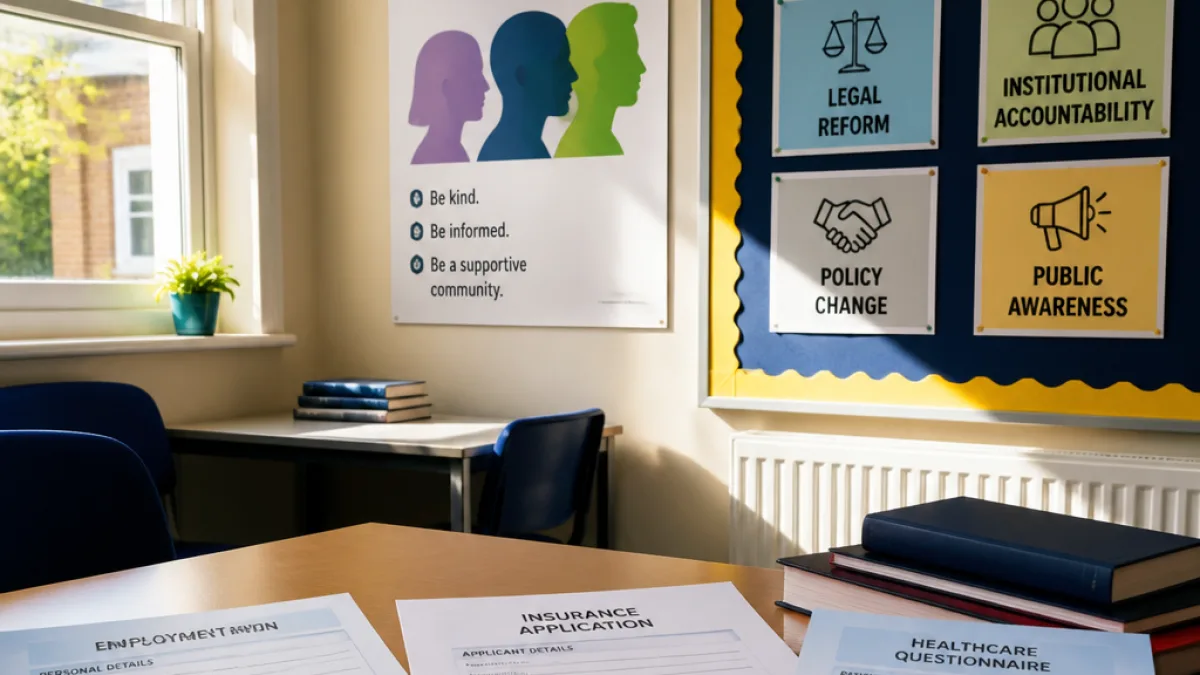
The researchers said the problem could not be addressed by awareness campaigns alone. They called for action across several parts of society, including changes to legal and institutional practice, better public understanding and policies that recognise how the impact of cancer can change over time.
They also pointed to the importance of education in challenging assumptions about cancer. Misconceptions may affect how colleagues, employers, welfare administrators, insurers, healthcare workers and members of the public respond to someone who has received a diagnosis or provided care for a relative. Public education could therefore form part of a broader response alongside policy reform and professional practice.
The review found that the effects of discrimination could include self-isolation, hiding a diagnosis, internalised stigma, psychological distress and financial strain. In healthcare settings, judgements about cancers viewed as “self-inflicted”, including those linked in public perception to smoking, could contribute to strained relationships between patients and clinicians.
Dr Andi Agbejule, the lead author and a radiation therapist and cancer care researcher with Flinders University’s College of Health and Enablement, said the evidence showed that cancer-related discrimination was a social and institutional issue as well as a medical one.
The researchers’ central argument is that recovery should not be measured only by whether treatment has ended. Employment practices, insurance and welfare rules, healthcare interactions and public attitudes can continue to shape the lives of people living with or beyond cancer. Addressing those factors, they said, requires sustained cooperation between policymakers, institutions and the wider public.