A football-themed financial education programme delivered across Ipswich is helping secondary school pupils develop practical money management skills through interactive workshops and a bespoke budgeting game.
Practical learning model aimed at real-life decisions
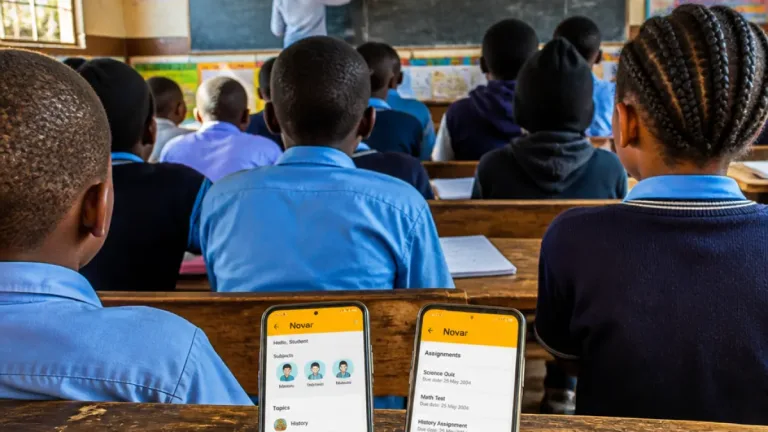
The sessions, run by Suffolk Building Society in partnership with the Ipswich Town Foundation, combine face-to-face tuition, presentations and hands-on activities tailored to each school. Organisers say the approach is intended to build pupils’ confidence and understanding of everyday financial choices, not simply teach abstract rules.
Workshop content covers core personal finance topics including budgeting, saving, borrowing, interest rates and the consequences of debt. A central feature is a budgeting card game produced by the building society that invites pupils to balance essential costs with wants while responding to unexpected expenses.
- Budgeting — planning everyday spending and priorities
- Saving — setting aside money for expected and unexpected needs
- Borrowing and interest — understanding costs and long-term implications
- Adapting to shocks — practising responses to sudden bills or repairs
The exercise deliberately includes surprise events to mirror the unpredictability of adult finances. As Nathan Wade, head of membership at Suffolk Building Society, put it:
"Much like everyday life, where a boiler can break down unexpectedly or a car can fail its MOT, the game introduces its own financial curveballs, from a rent increase to having to replace a mobile phone. We all face costs we haven’t planned for, and that means having to rethink our finances and make decisions about how we afford the things we need, as well as the things we want."
Teachers and pupils respond to interactive approach
Staff and students involved in the programme have welcomed the focus on relevance and active learning. One teacher told organisers the sessions succeeded in prompting thoughtful questions and engagement about future budgeting, while a pupil described the experience as an important way to reflect on money choices they will need to make as adults.
"By offering an interactive experience with real-world examples of money management, we’ve seen pupils really engage with the financial education sessions provided by Suffolk Building Society. As a teacher, it’s been exciting to see the pupils ask thoughtful and probing questions about how they can budget in the future."
"It was really good to think about what we do with our money. When we are older, we need to think about everything that could happen."
The use of sport and a familiar local institution aims to make the material more accessible. The Ipswich Town Foundation, the charitable arm of Ipswich Town Football Club, works in schools across the town and its involvement is intended to increase pupil engagement by connecting financial learning to an area of strong local interest.
Context and potential implications for wider financial education
Financial education remains a priority for schools and policymakers who argue that early exposure to budgeting and the risks of debt can improve long-term outcomes. Programmes that use interactive formats and real-world scenarios are increasingly common because they tend to produce higher pupil engagement than traditional classroom lectures.
While this initiative is local to Ipswich, it illustrates practical features education leaders may look for when seeking to improve financial literacy at key stages: tailored delivery, live facilitation, and activities that replicate the trade-offs young people will face. The combination of a recognised local partner and a dedicated teaching resource — the budgeting card game — may offer a template for other areas wishing to supplement curriculum provision.
| Workshop element | Purpose |
|---|---|
| Budgeting card game | Simulate household finances and unexpected costs |
| Presentations | Explain concepts such as interest and borrowing |
| Hands-on activities | Encourage decision-making and problem-solving |
Organisers emphasise the importance of giving pupils tools to cope with everyday financial decisions. By presenting scenarios that mirror likely adult experiences, the programme seeks not only to impart knowledge but to encourage resilient, considered choices when finances are tight.