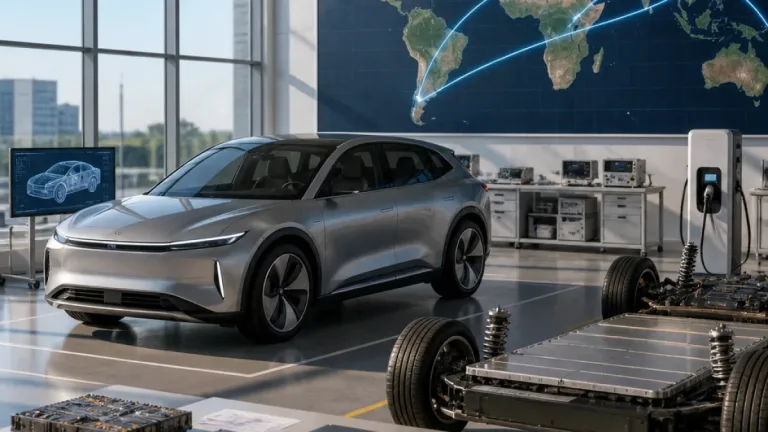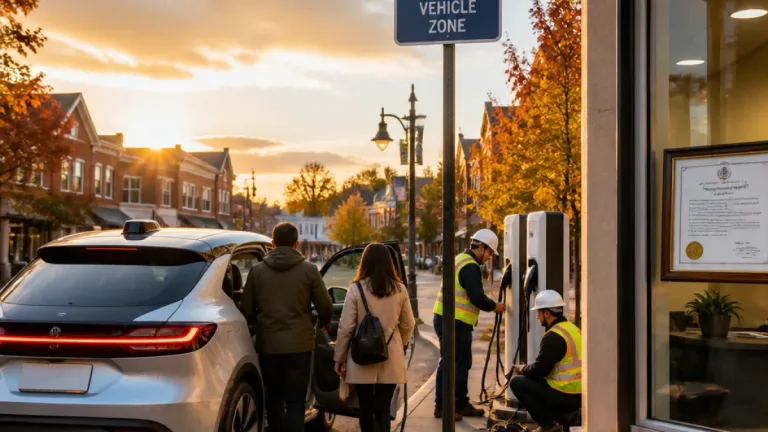
BMW will collect increased image and environmental sensor data from customer vehicles in EU member states from April 2026, the manufacturer has confirmed. The move, intended to accelerate development of driver‑assistance and safety functions, will begin with several new and updated models before being rolled out more widely.
Which cars and what data
Initially the programme will cover the new BMW iX3 and i3, X5 and 7 Series, plus subsequent new models and model updates. BMW says it will eventually enable all capable vehicles to act as "data collection engines" for the company.
The types of information the company will gather include:
- Images of the vehicle's surroundings captured by exterior cameras;
- Data from environmental sensors (for example radar, lidar where fitted);
- Driving dynamics metrics such as speed, direction of travel and steering angle;
- Instances where driver‑assistance features intervened or might have been able to prevent a collision.
| Start date | Initial models | Purpose |
|---|---|---|
| April 2026 | iX3, i3, X5, 7 Series (and future updates) | Improve development and testing of driver‑assistance systems |
Why BMW is expanding in‑car image collection
Driver‑assistance systems and safety features require vast, varied datasets to perform reliably in complex, real‑world conditions. BMW says that simulated testing and controlled trials leave gaps that can only be filled by observations gathered on public roads. By collecting images and correlated sensor and vehicle dynamic data from customer cars, the manufacturer aims to refine perception, decision‑making and collision‑avoidance behaviour in its systems.
Benefits and practical impacts
The potential benefits are pragmatic: better detection of pedestrians, cyclists and other road users; improved handling of unusual or rare scenarios; and the ability to tune systems to the specific conditions encountered across Europe. For customers this could translate into more effective active safety features and fewer false activations as systems learn from a larger, more representative dataset.
Privacy, consent and regulatory context
Collecting images from customer vehicles raises immediate questions about privacy, consent and data protection. In the EU, processing such personal data must comply with the General Data Protection Regulation (GDPR), and manufacturers typically rely on technical and contractual safeguards such as anonymisation, minimisation and explicit consent mechanisms.
BMW has indicated the programme will be limited to newer cars with the necessary cameras and connectivity. But the intent to extend collection across the fleet means that vehicle owners will face decisions about opting in or out, and regulators will be attentive to how images are handled, how long they are retained, and whether they can be linked to identifiable individuals.
Emerging tensions for manufacturers and drivers
There is a tension between the collective safety benefits of richer datasets and individual concerns about surveillance and commercial reuse of vehicle-collected images. Automakers argue that data sharing leads to safer systems for all road users; privacy advocates and some legislators stress the need for robust safeguards, transparency and control for vehicle owners.
For the UK, which follows GDPR‑aligned rules in many respects despite Brexit, the roll‑out will be a test case in balancing innovation with citizens' expectations of privacy. How BMW implements consent flows, data‑handling practices and technical protections will be closely watched by regulators, consumer groups and other manufacturers who are pursuing similar strategies.
As cars become ever more connected and sensor rich, the debate over who controls and benefits from vehicle data is set to intensify — and the decisions made now will shape how automated and assisted driving technologies develop in the years ahead.