Conservative majority carries West Vancouver-Capilano as local priorities rise to front
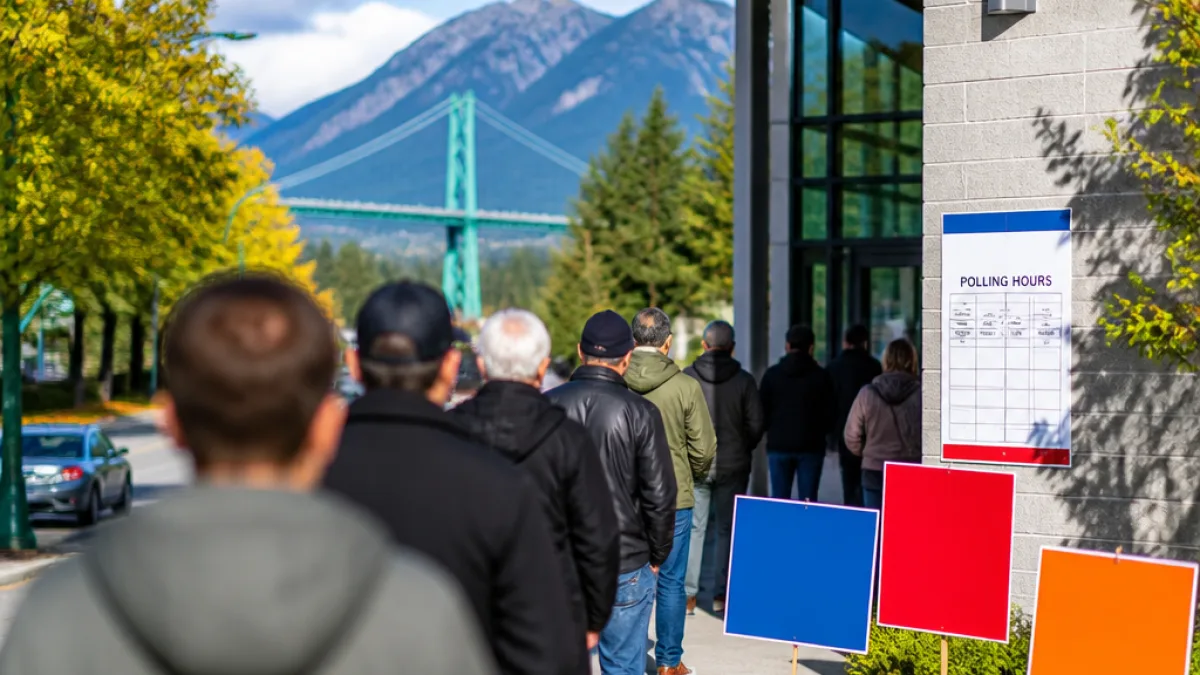
Voters in West Vancouver-Capilano delivered a decisive victory to Caroline Elliott in the provincial election, handing her 14,617 votes — or 66.79 per cent of ballots cast — and helping the British Columbia Conservative party form a majority government.
The win in this traditionally right-leaning North Shore constituency comes as part of a broader shift across the province. Elliott, a prominent figure who previously sought the party leadership, framed her campaign around economic recovery, attracting private-sector investment and specific local issues including traffic congestion and the contentious wastewater treatment plant.
- Vote share: Elliott — 14,617 votes (66.79%); total votes cast in riding — 21,886.
- Local focus: traffic relief, fiscal accountability, wastewater treatment oversight.
- Political context: incumbent MLA Lynne Block contested (and won) neighbouring North Vancouver‑Seymour rather than seek re-election in West Vancouver‑Capilano.
“He’s a really good guy. He’s a wonderful man. You guys are going to love him as B.C.’s premier.”
The remark, made by Elliott in her victory speech, referred to Conservative leader Lorne Doerkson. Elliott told supporters she will back Doerkson and pledged to help unite the province after what she described as a period of division and ineffective governance. She also singled out NDP leader David Eby, suggesting his decision to call a snap election had backfired and created an opening for change.
Elliott laid out priorities for the new government that emphasize economic and cultural issues, and she highlighted North Shore concerns she said resonated with voters: easing traffic, ensuring accountability around the wastewater treatment plant project and reining in what she characterised as poor fiscal results relative to rising spending.
Local adjustments and political ripple effects
The West Vancouver-Capilano result follows a campaign in which the previous MLA, Lynne Block, shifted her attention to the neighbouring riding of North Vancouver‑Seymour. Block won there, defeating incumbent NDP MLA Susie Chant, according to reporting from the election night. That strategic move meant West Vancouver‑Capilano was an open contest, and Elliott’s strong showing will change how the North Shore engages with the new legislative agenda.
For residents, the immediate questions will be how the new MLA and her party address North Shore infrastructure and environmental concerns. The wastewater treatment plant has been a point of local controversy; Elliott singled it out as an area requiring accountability. Traffic congestion, another chronic North Shore problem, is also prominent on her stated list of priorities.
Policy outcomes will depend on how the majority government sets its priorities and funds projects across the region. Elliott’s emphasis on private-sector investment and economic revitalization signals a market-oriented approach that may shift funding levers toward infrastructure projects framed as economic stimulants. For residents who prioritise environmental safeguards and long-term watershed and marine health, how the new government balances development and oversight will be central.
Numbers in the riding
| Candidate | Votes | Percentage |
|---|---|---|
| Caroline Elliott | 14,617 | 66.79% |
| Total votes cast | 21,886 | — |
The scale of Elliott’s margin means the new MLA begins her term with a clear local mandate. How that mandate translates into tangible changes on the North Shore will depend on the legislative agenda the Conservatives set now that they hold a majority.
Residents and municipal leaders will be watching early budget and policy moves closely, particularly those affecting transportation planning, regional environmental oversight and capital funding for local projects. The electorate’s message in West Vancouver‑Capilano — a strong tilt toward a party promising fiscal restraint and private-sector engagement — will test how provincial policy navigates competing priorities of growth, infrastructure and environmental stewardship.
As the new government forms, updates on cabinet appointments and the specific programs that address North Shore concerns will determine whether Elliott’s victory brings swift change or a more measured, long-term shift in direction.