A shift in a city built around industry
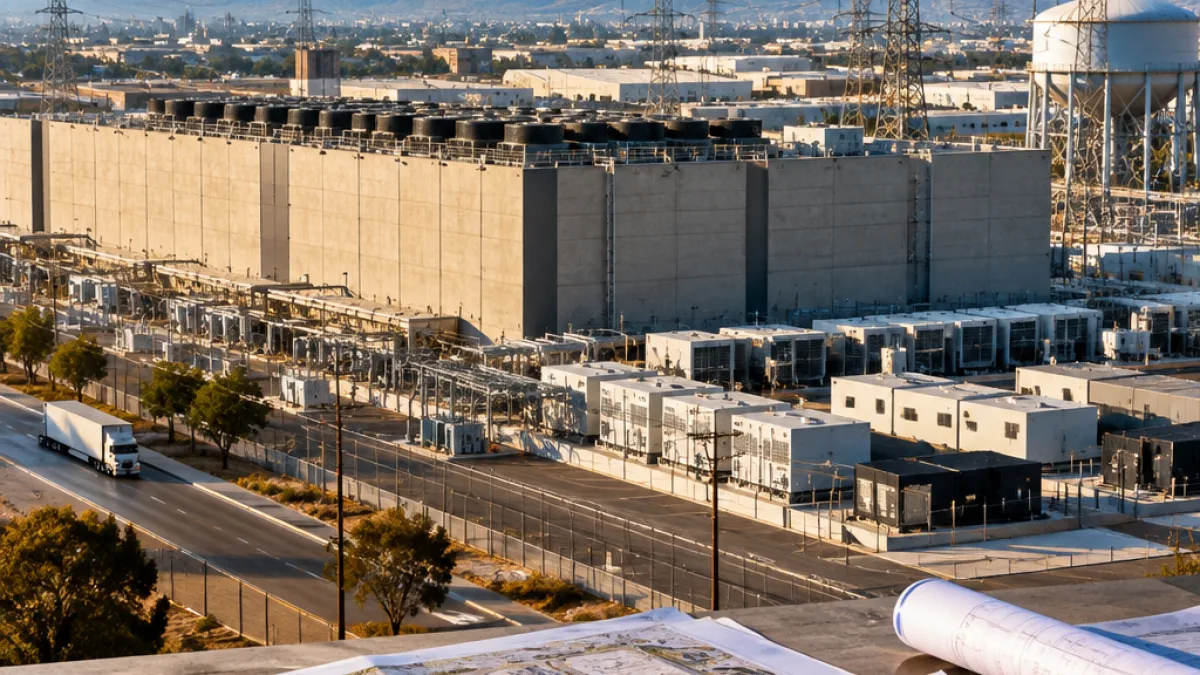
Vernon, Calif., a company-dominated municipality south of downtown Los Angeles, is beginning to reconsider its welcoming approach to data centres as concerns grow over their demands on electricity and water, along with emissions and noise from backup power systems.
The city is distinct from Vernon, B.C., but the California debate offers a close look at the infrastructure and environmental questions that can accompany large computing facilities. Vernon, Calif., has traditionally sought to attract heavy industry, with most development permitted “by right” under its business-focused strategy. That approach is now being tested as data-centre proposals become more prominent.
One facility is already operating in the California city, while five more are in development. In nearby jurisdictions, opposition has led to moratoriums on new data centres. The source report describes the resistance as part of a broader wave of public concern across the United States, where communities are weighing the local costs of facilities built to support increasingly intensive digital services.
Electricity and environmental review at the centre of debate
Vernon’s public utility signalled the first major change in direction last December when it stopped processing new requests from data centres seeking connections to the municipal grid. A subsequent zoning review was prompted by concerns identified by city staff, including pressure on electrical systems and water supplies, pollution and noise from diesel generators, and the relatively small number of permanent jobs associated with the facilities.
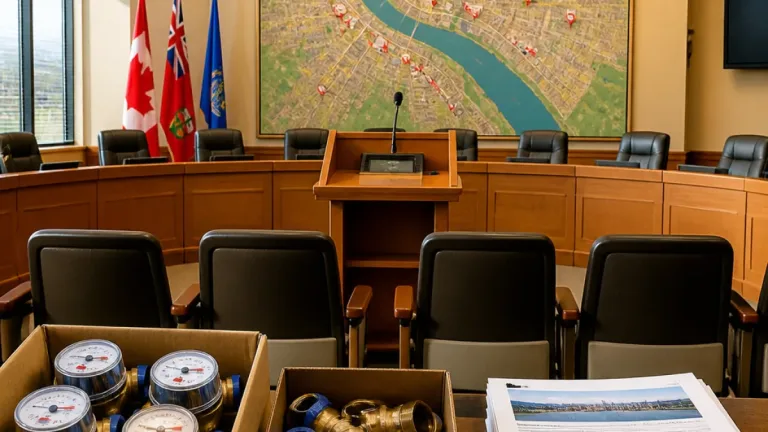
At a council meeting last month, members took a step toward changing the rules so data centres would become one of the few industries required to undergo environmental review. The possible change would mark a departure from a development system designed to make it easier for businesses to establish themselves in Vernon.
“We definitely need some regulations for the data centers,” Vernon Mayor Pro Tem Jesus Rivera said at the meeting.
The discussion also reflects concerns among people connected to the city’s existing industrial economy. Marisa Olguin, president of the local Chamber of Commerce, said employers, residents, businesses and people who work in Vernon were concerned and needed more education and understanding about each proposed development.
Backup generators add another layer of scrutiny
Data centres are designed to operate almost continuously, with the source report citing a required uptime of 99.99 per cent. To maintain service when the grid is disrupted, the facilities generally rely on backup power, most often diesel-burning generators. Those generators can emit soot, nitrogen oxide and carbon dioxide.
The scale of the equipment approved for Vernon has sharpened the air-quality question. The South Coast Air Quality Management District has approved 52 diesel generators for three data centres located within a four-block area of the city. Air-pollution rules allow the generators to operate during grid emergencies, although the source material ends before detailing the full range of operating conditions or the next steps in the approval process.
| Issue or measure | Details reported |
|---|---|
| Operating data centres | One |
| Additional facilities planned | Five |
| Approved diesel generators | 52 for three facilities |
| Generator concentration | Within four blocks |
| People commuting to Vernon daily | About 50,000 |
| People living in Vernon | About 300 |
A decision with consequences beyond the city limits
The debate is unfolding in a municipality with an unusual relationship between its workforce and its residential population. About 50,000 people commute into Vernon, Calif., each day, while only about 300 people live there. That means decisions about industrial land, utility capacity, air quality and water use affect not only residents but also the businesses and workers tied to the city.
For Vernon’s council, the question is whether data centres should continue to be treated like other businesses or whether their concentrated infrastructure needs justify additional scrutiny. Environmental review could give officials a formal process to examine utility demand, water requirements, emissions, noise and employment impacts before projects proceed. The city has not been described as imposing a moratorium, but its utility decision and zoning review show that its earlier business-friendly position is no longer uncontested.
The California experience underscores why data-centre proposals can become a community issue even in places that have historically welcomed industry. The facilities may bring new investment, but their reliability requirements can also require substantial backup systems and place new demands on public infrastructure. In Vernon, Calif., those competing priorities are now being considered in council chambers as officials decide how much oversight should accompany the next generation of development.
- The city utility stopped processing new data-centre grid-connection requests last December.
- Council members are considering environmental review requirements for data-centre projects.
- Concerns include electricity and water demand, generator emissions, noise and permanent employment.