Historic case unfolds at Vancouver’s Federal Court
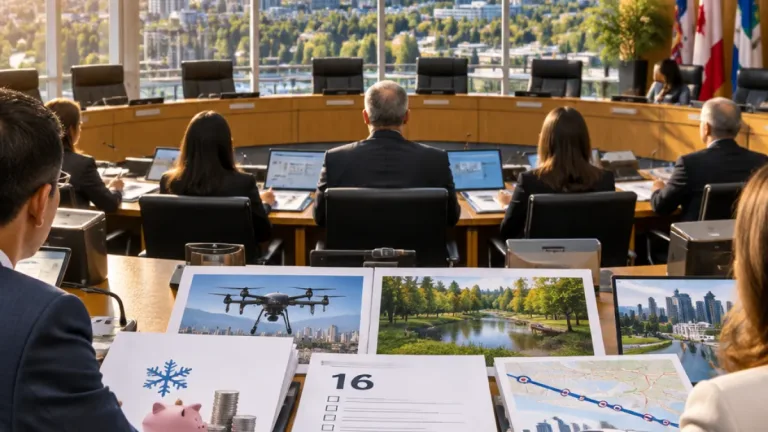
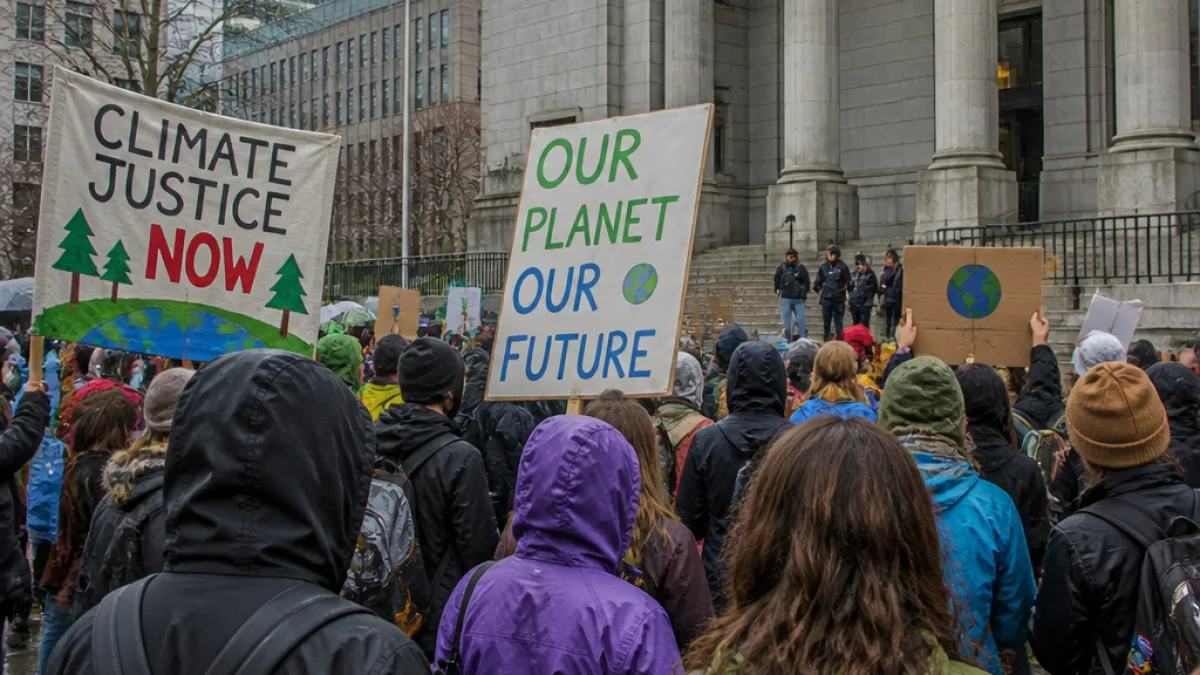
Hundreds gathered on a grey Vancouver morning outside the Federal Court building as the nation's first youth-led climate trial opened, marking a new legal front in debates over federal climate policy and constitutional rights. The case, filed in 2019, sees 15 young people from across Canada argue that the federal government's approach to greenhouse gas emissions breaches their rights under the Canadian Charter of Rights and Freedoms.
The plaintiffs contend that the government's keystone climate statute, the Net-Zero Emissions Accountability Act, places Canada on an emissions path inconsistent with a safe and livable future. Lawyers for the youth told the court the dispute is not about whether climate change is happening but whether the state is constitutionally obliged to stop making it worse.
"This trial is important because it might set a precedent for the future," said Julius Frauenheim, co-president of the UBC Environmental Policy Association, who attended the rally in Vancouver. "It's a historic trial because it's the first youth-led climate trial in Canada."
Local voices and the stakes for younger generations
Supporters at the rally included students and environmental advocates from the University of British Columbia and other local organisations. Their presence highlighted the generational dimension of the legal challenge: youth plaintiffs are asking federal courts to recognise the prospective harms — both physical and psychological — that climate change and inadequate policy responses can pose for their futures.
In court, counsel for the plaintiffs framed the case around constitutional duty. Catherine Boies Parker, who spoke for the youth, told judges the issue before them is whether the government is "constitutionally required to stop making it worse." The argument centres on whether existing federal legislation creates or permits an emissions trajectory that contradicts the rights guaranteed by the Charter.
- Who: 15 youth plaintiffs from across Canada
- Where: Federal Court, Vancouver
- When: Trial hearings began Oct. 26, 2026
- Legal focus: Alleged Charter breach tied to the Net-Zero Emissions Accountability Act
What this means for Vancouver and B.C.
While the litigation challenges federal law, its implications ripple into provincial and municipal governance. Vancouver — already dealing with climate-related pressures such as rising temperatures, floods and stress on infrastructure — could see policy shifts depending on the court's interpretation of constitutional obligations. A ruling that constrains federal policy or compels stronger national targets would reshape the planning environment for provinces and cities working toward adaptation and mitigation.
Local advocates say the trial could set legal precedent affecting how governments design emissions frameworks and timelines. For young people who gathered outside the courthouse, the stakes were immediate and personal: they sought acknowledgment in law that current policy choices have long-term consequences for their health, safety and livelihoods.
| Case element | Details |
|---|---|
| Filed | 2019 |
| Number of plaintiffs | 15 youth |
| Key statute challenged | Net-Zero Emissions Accountability Act |
| Court | Federal Court, Vancouver |
The demonstration outside the courthouse was both a show of solidarity and a local expression of a broader national movement that has seen youth litigants in several countries press governments for more ambitious climate action. For Vancouver residents, the proceedings will be closely watched: outcomes could affect everything from federal funding formulas to timelines for emissions reductions that intersect with municipal climate plans.
As hearings proceed, lawyers, activists and local officials will be parsing testimony and legal arguments for signals about how courts may balance scientific evidence, policy realities and constitutional protections. Whatever the outcome, the trial crystallises a growing demand from younger Canadians for legal recognition of the link between government climate policy and fundamental rights.
Coverage of the trial in Vancouver will continue as hearings advance and decisions are reserved. For now, the courthouse plaza served as a visible reminder that climate policy debates are no longer confined to legislatures and technical reports — they are unfolding in courtrooms with the futures of younger generations on the line.