Hawkers seek protection from stock seizures as election looms
Hawkers trading in Tzaneen town centre are appealing to the incoming municipal council to end the practice of confiscating their stock when they lack trading permits, saying the seizures undermine already fragile household incomes.
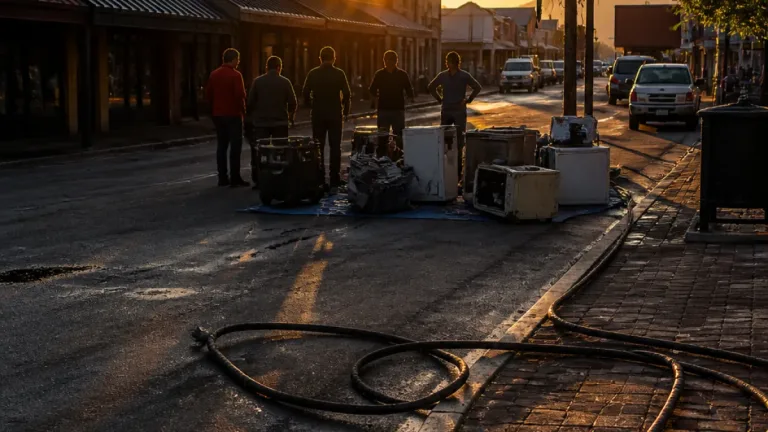
Several informal traders described repeated scenes in which law enforcement removes goods and holds them until a fine is paid. They say many return to the same spots because selling remains their only source of income.
"They took my stock because I have no trading papers. If I don't sell, my family goes hungry,"
said Thandi Mohale, a mother of three who sells fruit and vegetables in the town centre, according to the original reporting. Another vendor, Peter Mhlongo, who sells phone accessories, said hawkers earn an honest living and should not be treated as criminals.
Municipality cites legality and public order concerns
The Greater Tzaneen Municipality told reporters that it recognises fewer than 100 legal hawkers operating across services such as hair care, fruit and vegetable stalls and phone repairs. At the same time, it estimated that more than 200 people trade in the town centre, which councillors say contributes to congestion and littering.
Municipal spokesperson Vutivi Makhubele said law enforcement and municipal teams regularly remove traders operating without permits, and confiscated items are retained until fines are settled. The municipality framed enforcement as necessary to maintain public order in central trading areas.
| Category | Number |
|---|---|
| Legal hawkers | Fewer than 100 |
| Hawkers trading in town centre | More than 200 |
Political responses and proposed alternatives
ActionSA, which is contesting in the municipal elections, has promised to represent hawkers who are removed from trading sites. The party's mayoral candidate in Tzaneen, Dr Mikia Ramothwala, said ActionSA has identified municipal land in the town centre between Boxer and NTK where flea markets could be established so vendors can trade without fear of removal.
ActionSA proposes such spaces as a way to formalise trading, support small-income earners and boost the local economy, drawing comparisons with flea markets in other South African towns and in Cape Town.
Local impact and the stakes for the incoming council
For many vendors, the dispute over public trading space is not only about enforcement but survival. Traders interviewed said there are insufficient formal jobs in the area and that informal trade provides a critical safety net for households.
The situation raises practical questions for the incoming council: how to balance public order, pedestrian access and sanitation in the town centre with the economic needs of informal traders. Creating designated, managed trading areas could reduce daily conflicts between law enforcement and traders, but would require municipal planning, by-law adjustments and resources to formalise and support traders.
- Hawkers say confiscation of stock forces them to pay fines to recover goods, putting pressure on household incomes.
- The municipality reports fewer than 100 legal hawkers but estimates over 200 people trading in the central business area.
- ActionSA proposes a flea-market site between Boxer and NTK as an alternative trading space.
With local elections scheduled for 4 November, vendors say they will watch closely to see whether pledges made on the campaign trail translate into concrete plans to accommodate informal trade in ways that protect livelihoods while addressing congestion and cleanliness in the town centre.
The disputes in Tzaneen mirror wider national tensions over how municipalities manage informal economies — balancing enforcement with measures to integrate and support traders who depend on daily sales to survive.