Health Minister Dr Aaron Motsoaledi will join Northern Cape Premier Dr Zamani Saul and MEC for Health Nontobeko Vilakazi on Monday, 26 October, to lead an integrated community health screening programme in the John Taolo Gaetsewe District. The national department said the initiative is part of government’s continuing response to the long-term public-health consequences of asbestos mining in and around Kuruman.
Legacy of asbestos exposure
Decades of blue asbestos mining in the Northern Cape have left behind unrehabilitated dumps and contaminated soils. The department said these sites, together with contaminated roads and public spaces, continue to expose local residents to airborne asbestos fibres. Persistent exposure is linked to diseases such as asbestosis and pleural thickening, and increases the risk of lung cancer.
Aims of the screening programme
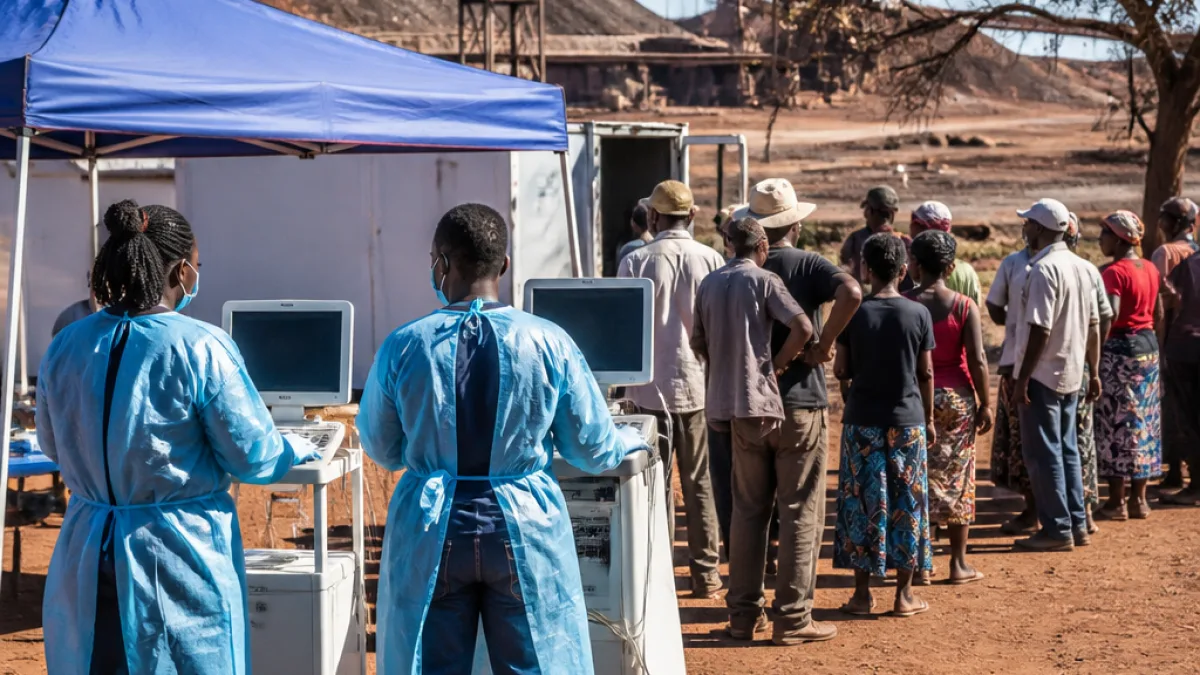
The integrated screening is designed to deliver a range of services to affected community members, including respiratory and general health assessments, early detection services and health education. It will also create referral pathways so people identified with problems can be linked to further clinical management and the compensation processes to which they may be entitled.
“This integrated screening programme will provide affected community members with access to respiratory and general health assessments, early detection services, health education and referral pathways for further care,” the department said.
The department said the programme will also strengthen surveillance of asbestos-related illnesses by identifying previously undiagnosed cases and improving the monitoring of conditions such as asbestosis, lung cancer and pleural thickening.
What residents can expect
- Respiratory screening and general clinical assessments on site.
- Health education about asbestos exposure, symptom recognition and prevention.
- Referral links to diagnostic and treatment services for those who need follow-up care.
- Information and referral for potential compensation processes for affected workers and residents.
Officials have framed the visit as part of a coordinated response combining screening, education and improved access to diagnosis, treatment and compensation. The presence of national and provincial health leadership is intended to highlight the state’s commitment to addressing the issue.
Health surveillance and next steps
Strengthening surveillance is a central component of the programme. By documenting new and existing cases, health authorities aim to build a clearer picture of the current burden of asbestos-related disease in the district. That information is critical for planning clinical services, rehabilitation of contaminated sites and directing compensation efforts.
| Focus area | Expected outcome |
|---|---|
| Respiratory assessments | Early detection and referral for treatment |
| Health education | Improved community awareness and prevention |
| Case surveillance | Stronger data to inform services and compensation |
Residents with a history of work in asbestos mining or who have lived near former asbestos dumps are likely to be a priority for screening. Asbestosis and related conditions may take years to become symptomatic, so authorities are urging anyone concerned about past exposure to attend the screening event.
Context and ongoing challenges
Remediating old asbestos sites is costly and technically demanding. Unrehabilitated dumps and contaminated public areas remain a persistent environmental and health hazard in this part of the province. While government agencies have previously committed to remediation and compensation, local clinicians and community leaders have stressed the need for sustained action that pairs environmental clean-up with accessible healthcare and clear compensation pathways.
The department said government remains committed to a coordinated approach that couples on-the-ground screening with community education and improved access to diagnosis, treatment and compensation. The screening on Monday is one element of that broader strategy; how it translates into long-term clinical care and environmental remediation will shape the health outlook for affected communities in the John Taolo Gaetsewe District.
Details on exact venues and times were not included in the department’s statement. Residents seeking to attend should contact local health facilities or the district health office for logistical information and eligibility criteria.