Infrastructure failures and accountability gaps shadow Makhanda ballot
As candidates canvas for votes in Makhanda, long‑running problems with water supply, sewage treatment and municipal governance remain unresolved. Recent reporting by Grocott's Mail and official updates presented to the municipal infrastructure committee show a municipality still grappling with failing plant equipment, contaminated effluent and repeated adverse audit outcomes — matters that will shape everyday life for residents whoever wins office.
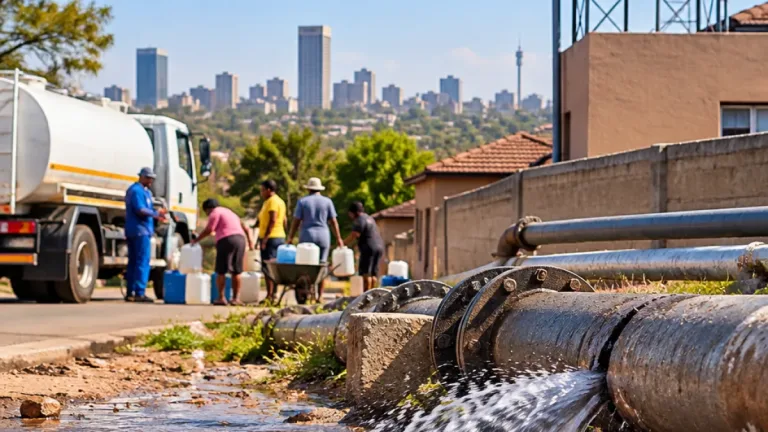
On the water front, the James Kleynhans works — the town’s primary treatment plant — has been operating well below capacity for more than a year. Grocott’s Mail reported that in June 2025 the works was producing about 10 megalitres a day, roughly half of normal capacity, and that the Phase 3 tender had been cancelled. By December 2025 output had dropped to a single working pump. At an 13 October 2026 infrastructure meeting, municipal officials reported that three pumps have been at Sulzer for repairs since 8 April, with an expected return date of 1 December. Water tested at local schools and clinics showed low chlorine levels and the presence of coliform bacteria, signalling continued risks to safe potable water.
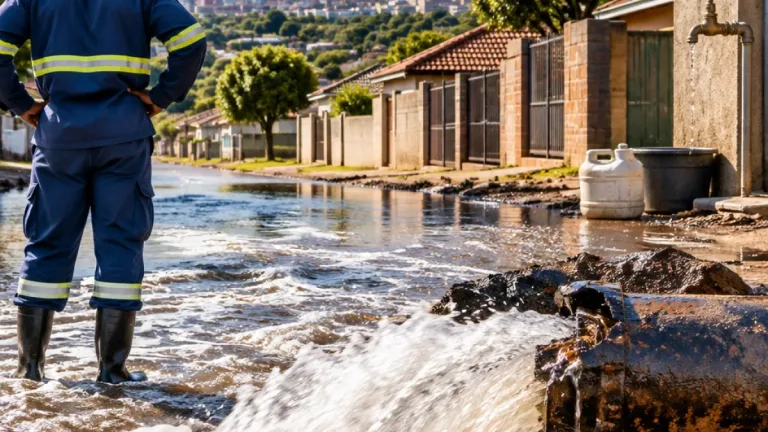
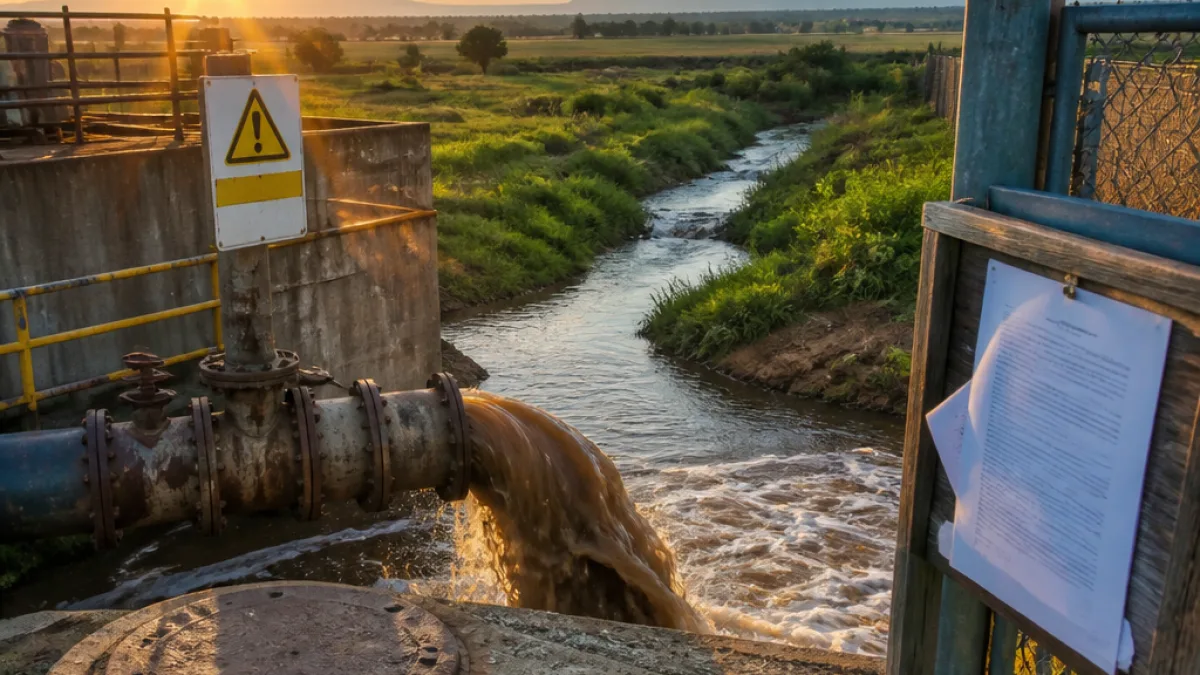
Sewage services present an equally alarming picture. Makana Municipality scored 9% on the 2022 Green Drop assessment, well below the statutory 31% regulatory threshold. At the October committee meeting, effluent from the Belmont works tested at more than 2,420 E. coli per 100 mL — the maximum reading reported — highlighting a serious public health concern. The Belmont works requires R8.8 million to complete its digester, while the Mayfield works currently has no identified funding for upgrades. In June this year the South African Human Rights Commission delivered a scathing assessment of sewage management in the area.
Governance and financial oversight add to residents’ concerns. Makana has received six consecutive disclaimer audit opinions, placing the municipality in the bottom 2.7% of 257 municipalities. Eastern Cape Cogta MEC Zolile Williams is reported to have expressed dismay at the lack of progress on an audit action plan. The Special Investigating Unit (SIU) concluded an enquiry in July into seven tenders awarded between January 2019 and October 2024. The SIU referred two matters to the National Prosecuting Authority, referred another matter for criminal investigation and made administrative recommendations to the municipality and National Treasury; it is also considering civil litigation. The SIU has not published the identities of those implicated or the final report it submitted to the President.
For residents weighing ballot choices, Grocott’s Mail set out practical steps to move beyond campaign promises. One concrete action offered was to build a paper trail: log every leak, spill and missed refuse collection using official municipal channels and secure a reference number for each report. Grocott’s documented at least one water leak that remained unattended since 2021, illustrating how such records can be important evidence of chronic service failure.
"Log every leak, spill and missed refuse collection through official municipal channels, and get a reference number each time," Grocott's Mail advised.
Beyond individual reporting, residents face a set of policy and budget questions. Completing the Belmont digester requires R8.8 million, and the wider water treatment shortfall at James Kleynhans indicates a need for sustained capital investment and timely maintenance contracts. Meanwhile, the municipality’s repeated disclaimer opinions suggest systemic weaknesses in financial management, procurement and internal controls that will affect any future service improvements unless addressed.
- Immediate operational issues: pumps at Sulzer out for months; water tests show coliforms and low chlorine.
- Sanitation risks: Belmont effluent exceeds safe E. coli limits; R8.8 million required to finish a critical digester.
- Governance crisis: six consecutive disclaimer audit opinions; SIU probe into seven tenders with referrals to prosecuting authorities.
For many Makhanda communities, the election will be judged on whether candidates can present credible, funded plans to restore reliable water and safe sanitation, and whether they can show measurable progress on audit outcomes. Residents who keep formal records of service failures and demand transparency about how municipal finance and tender recommendations are being acted on will be better placed to hold incoming councillors and administrators to account.
| Item | Figure |
|---|---|
| James Kleynhans reported output (June 2025) | 10 ML/day |
| Reacting pumps at Sulzer (reported 13 Oct 2026) | 3 pumps (out since 8 Apr) |
| Belmont effluent E. coli | >2,420 /100 mL |
| Belmont funding needed | R8.8 million |
| Makana Green Drop (2022) | 9% (threshold 31%) |
| Audit opinions | 6 disclaimers (bottom 2.7% of 257) |
As voting approaches, these are not abstract statistics but measures of how often households can turn a tap, whether children can attend school without exposure to contaminated water, and whether the municipality is capable of managing public funds effectively. Voters will need to weigh campaign rhetoric against documented operational problems and demand specific, finance‑backed plans for remediation and transparent timelines for delivery.
Local accountability — through diligent reporting of incidents, scrutiny of municipal budgets and insistence on timely audits and procurement oversight — will be essential if Makhanda is to move from crisis management to sustainable service delivery.