Reported attacks in northern Ethiopia have killed civilians, including children, and are pushing the region’s already fragile health system closer to collapse, the World Health Organization’s director-general said Monday. The warning came as renewed fighting threatened to unravel a peace agreement reached in November 2022 between Ethiopia’s federal government and rebel forces in the Tigray region.
Tedros Adhanom Ghebreyesus said in a statement posted on X that children were among those reportedly killed at the Jaari 2 displacement camp in Amhara. In neighboring Tigray, several people were reportedly killed while trying to obtain food in the town of Rama. Tedros did not provide casualty figures or dates for either incident, and he did not identify those responsible.
Reports from two northern regions
The accounts describe violence affecting both displaced people and civilians seeking basic necessities. A displacement camp in Amhara was reportedly struck, while people in Rama were reportedly killed as they attempted to get food. The incidents were presented as part of a wider pattern in which drone attacks and civilian deaths have become increasingly frequent across Ethiopia.
| Location | Reported impact | Details provided |
|---|---|---|
| Jaari 2, Amhara | Civilians reportedly killed | Children were among those reported dead at a displacement camp |
| Rama, Tigray | Several people reportedly killed | The victims were reportedly trying to obtain food |
The lack of confirmed casualty totals and attribution leaves important questions unresolved. Tedros gave no date for either attack and did not say which party carried them out. The source account also did not include a government response. Those limitations make it impossible to establish the full scale of the incidents from the information available, but the WHO statement underscores the seriousness of the humanitarian and health concerns.
Health system under mounting strain
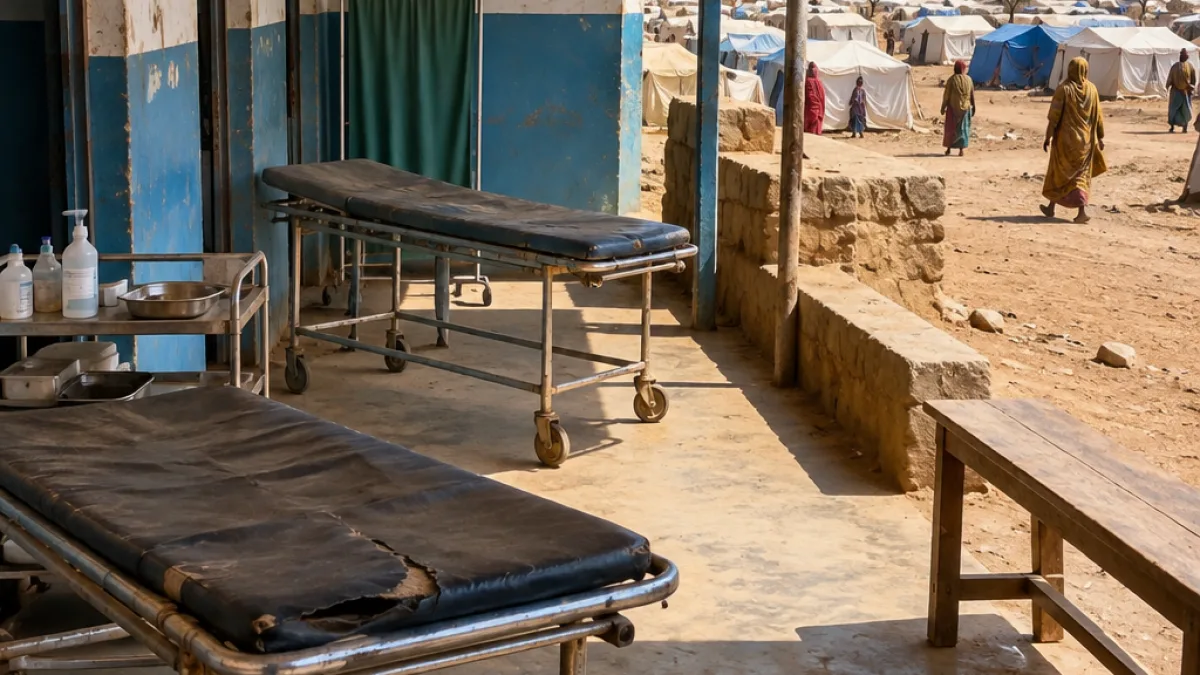
The WHO chief’s warning focuses not only on the reported deaths but also on the condition of health care in the affected area. A system described as fragile is being placed under additional pressure as violence disrupts civilian life, displaces people and threatens access to food. The reported attack on a displacement camp illustrates the vulnerability of people who have already been forced from their homes and may depend on limited services and assistance.
For health workers and patients, the consequences of renewed fighting extend beyond immediate injuries. Violence can make it harder for civilians to reach care, while attacks and insecurity can interfere with the operation of medical services. The available account does not provide figures on damaged facilities, shortages of medical supplies or interrupted treatments, but the WHO’s assessment indicates that the broader health infrastructure is at risk of further deterioration.
Peace agreement under pressure
The reported violence has also intensified fears that Ethiopia’s 2022 peace agreement is effectively breaking down. The accord had ended a period of fighting between the federal government and rebel forces in Tigray, but the renewed clashes described in the account have raised concerns about a wider conflict. Tedros’ reference to recurring drone attacks and civilian casualties places the incidents within a national pattern rather than treating them as isolated events.
- Children were reportedly among those killed at the Jaari 2 displacement camp.
- Several people in Rama were reportedly killed while seeking food.
- The WHO chief said drone attacks and civilian casualties were becoming frequent across Ethiopia.
- No casualty totals, dates or perpetrators were identified in the statement.
The WHO statement therefore presents a warning about both immediate human loss and the longer-term damage to health care in northern Ethiopia. Until more information emerges, the full number of victims and the circumstances of the attacks remain unknown. What is clear from the account is that civilians, including displaced people and children, are facing renewed danger while the region’s health system approaches a more severe crisis.