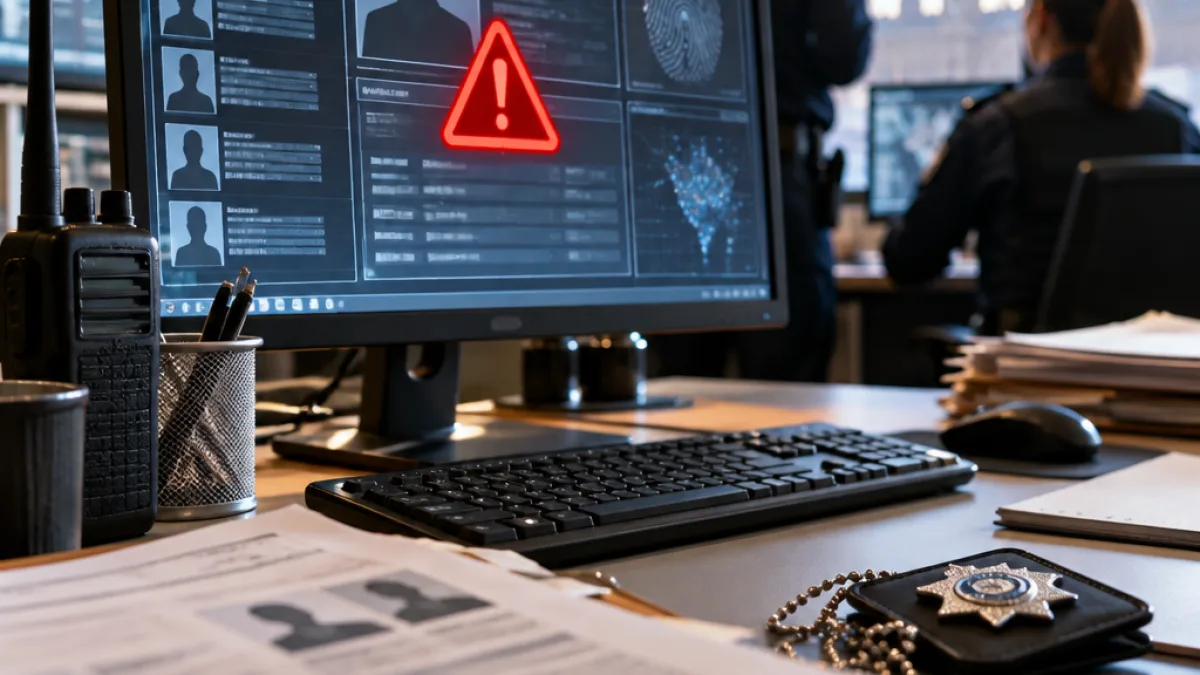
The FBI is investigating an apparent intrusion into a database used by American law-enforcement agencies to share information on warrants and background checks, according to US media reports citing two people briefed on the matter.
The reported target is the National Crime Information Center (NCIC), a system used by federal and local authorities. Its records support the exchange of criminal justice information, including material connected with warrants and checks carried out by law-enforcement bodies.
The FBI has not responded to a request for comment. That leaves key questions unanswered, including what part of the system may have been accessed, whether information was removed or altered, and how widely the incident may have affected agencies relying on the database. No details have been published about the identity or motive of any suspected attacker.
Trump says he had only just been told
President Donald Trump addressed the report during an interview with Fox News on Saturday. He said he had only recently become aware of the incident and expressed concern about the development.
“I will say that it's not good. I don't like that.”
Mr Trump also suggested that the investigation could produce information about the people or methods involved in the intrusion.
“But maybe we'll learn things that we would've never learned otherwise.”
His comments did not provide further information about the status of the inquiry, the systems involved or whether officials had reached any conclusions about the source of the suspected breach. The White House response, as reported, did not establish that the incident was linked to any other recent disruption.
A database with nationwide significance
Dan Lorhmann, a former analyst for the National Security Agency, told the BBC that the NCIC held critical information relating to criminal activity across the United States. He said such material required protection, while noting that the FBI and other American security agencies had a strong reputation for safeguarding sensitive information.
Mr Lorhmann said the number of cyber-attacks was increasing internationally. He expressed confidence in government specialists, but his assessment underlined the tension facing agencies that hold information capable of affecting arrests, investigations and background checks across multiple jurisdictions.
| Issue | Information available |
|---|---|
| Reported target | National Crime Information Center |
| Users | Federal and local law-enforcement agencies |
| Reported function | Sharing information on warrants and background checks |
| Official FBI response | No comment reported |
Incident follows other FBI concerns
The report comes after other security incidents involving the bureau. A previous compromise affected its recruitment website in September, while suspicious activity involving an internal surveillance system was examined in March. The latest report therefore adds to scrutiny of the FBI’s cyber defences, although the available information does not establish that the incidents were connected.
The apparent database breach also emerged after a series of technology failures affected banking, air-traffic control and other sectors in the United States during the previous week. Officials have said those outages were not caused by cyber-attacks, but the disruption has nevertheless prompted lawmakers to examine the resilience of critical systems.
Separately, NBC reported that an apparent cyber-attack had targeted a farm-payment system operated by the US Department of Agriculture. Employees were told on Thursday that the system had been targeted, although the department had not publicly commented on the report.
For the FBI, the immediate priority will be to establish whether the NCIC was penetrated and whether any law-enforcement information was exposed. Until investigators release more detail, the scale of the risk remains uncertain. But any compromise involving a system used to support criminal records, warrants and checks would carry implications well beyond the bureau itself, because the information is shared between agencies operating across the United States.