Riyadh reopened terminals for international flights on Sunday more than two weeks after Yemen’s Iran-aligned Houthi rebels struck the capital’s airport complex, officials said, even as the kingdom reported fresh interceptions of missiles and drones bound for the city.
Airport partially resumes international services
The King Khalid International Airport announced the reopening of Terminals 1 and 2 for domestic and international travel from Sunday. The move follows limited domestic operations that had been restored earlier in the week, after a Houthi attack in early October damaged a complex housing two other terminals.
The October strikes on the airport complex killed 17 people and wounded more than 330, according to the earlier reports. The resumption of international flights comes amid an ongoing aerial threat from Yemen-based Houthi forces.
Saudi air defences report fresh interceptions
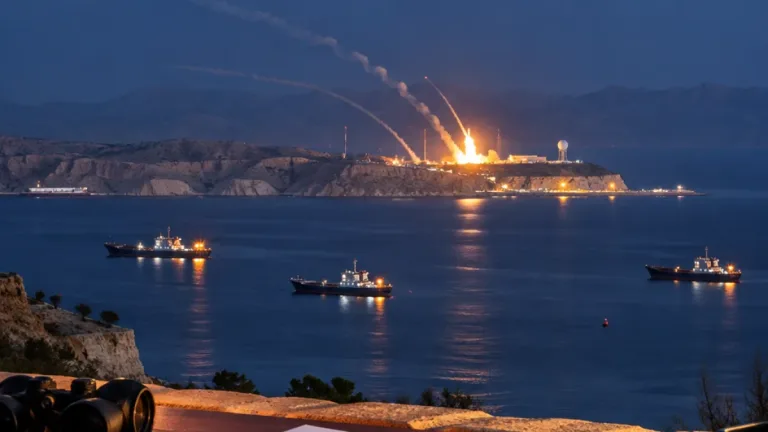
Saudi military authorities said air-defence systems intercepted and destroyed a ballistic missile and a drone fired toward Riyadh early on Sunday. In addition, forces reported shooting down 10 ballistic missiles aimed at the kingdom’s southern region.
The renewed intercepts underscore continued cross-border hostilities even as authorities seek to restore civil aviation services and reassure travellers and airlines about safety.
Escalation in the occupied West Bank
At the same time, Israeli forces escalated operations in the occupied West Bank following an attack in Hebron that killed two Israeli soldiers and wounded three others on Friday. The military announced a range of new restrictions, including barring Palestinian labourers from working in Israeli settlements, as part of the security measures.
Authorities in Hebron reported that the recent campaign — which has included arrests and demolitions of structures — displaced roughly 2,200 people. The operations come in the final days before Israel’s tightly contested national election, widely viewed as a referendum on Prime Minister Benjamin Netanyahu’s handling of security during the past three years of regional conflict.
Regional context and immediate consequences
The developments in Saudi Arabia and the occupied West Bank reflect a broader pattern of instability across the Middle East. The ability of Houthi forces to project missiles and drones toward the Saudi capital has repeatedly disrupted civil life and commerce, prompting air-defence responses and temporary closures of critical infrastructure.
For Israel, stepped-up operations in the West Bank follow a deadly attack and are likely to deepen tensions between Israeli forces and Palestinian communities, with humanitarian and political consequences in the run-up to national elections.
- Airport status: King Khalid International Airport reopened Terminals 1 and 2 to domestic and international flights.
- Casualties from earlier attack: 17 killed, over 330 wounded when other terminals were hit in early October.
- Interceptions reported: A ballistic missile and a drone destroyed near Riyadh; 10 ballistic missiles intercepted toward the south.
- West Bank operations: Two Israeli soldiers killed, three wounded; about 2,200 people displaced in Hebron following raids and demolitions.
| Item | Figure |
|---|---|
| People killed in airport strike | 17 |
| People wounded in airport strike | 330+ |
| Interceptors reported (Riyadh) | 1 ballistic missile, 1 drone |
| Ballistic missiles intercepted toward south | 10 |
| Israeli soldiers killed in Hebron attack | 2 |
| People displaced in Hebron operations | 2,200 |
Restoration of airport services will be closely watched by airlines, passengers and regional partners for signs that civil aviation can proceed safely. Meanwhile, continued Houthi strikes and Israeli operations in the West Bank are likely to shape diplomatic, security and humanitarian responses across the Middle East in the coming days.