Washington — Relations between the United States and Ukraine have deteriorated after President Donald Trump waived sanctions on Russian oil and signalled a rapprochement with Moscow, while Ukrainian President Volodymyr Zelensky accused the Pentagon of delaying delivery of Patriot surface-to-air missiles already procured by European partners.
Waiver and a diesel deal
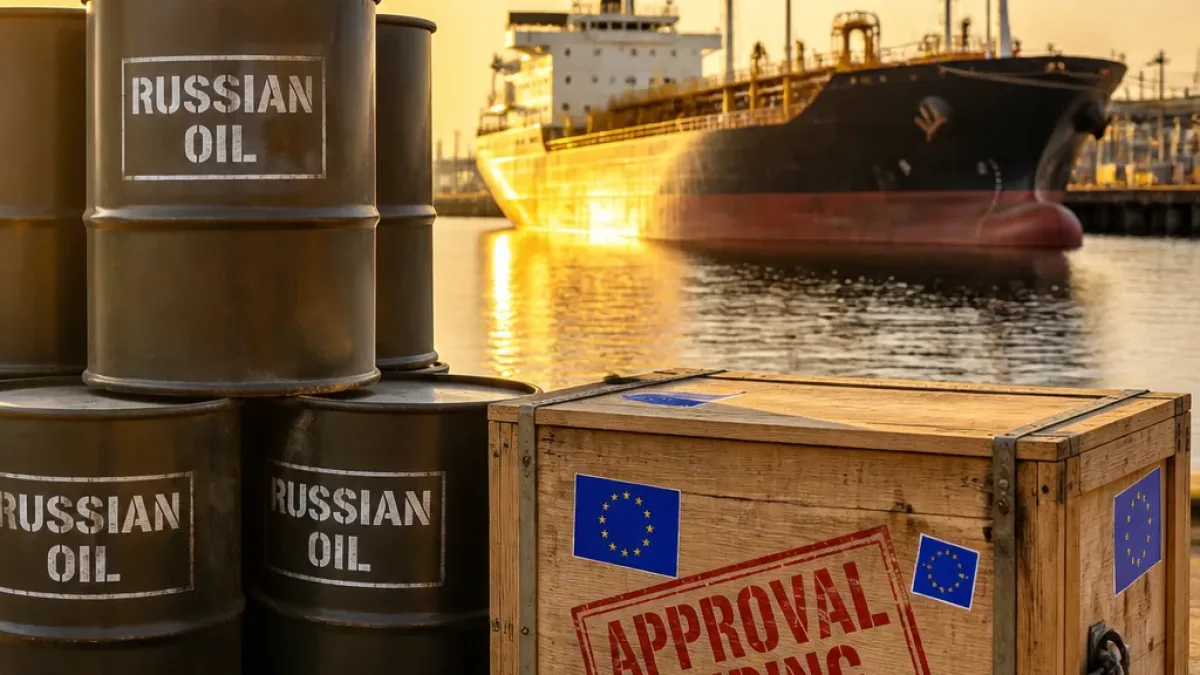
The waiver came after Congress overwhelmingly passed a bill intended to curb financial flows that sustain Russia's war effort and to penalise countries trading with Russia. Reports said the legislation, named after the late South Carolina Republican Senator Lindsey Graham, contemplated steep tariffs on such trade. The White House decision to waive the sanction was widely reported in US media and has coincided with announcements by President Trump of a proposed arrangement with Moscow to import diesel fuel to mitigate rising energy prices tied to the broader geopolitical environment.
Kyiv says missiles ready but awaiting signature
Ukraine has publicly questioned the pace of defensive assistance. Speaking to US senators, President Zelensky said the "Pentagon is delaying the delivery of missiles" that European countries have financed, and that the shipments were awaiting the signature of US Defence Secretary Pete Hegseth. Zelensky said, according to reporting, "The missiles are ready, and they could already be in Ukraine. But unfortunately, there is still no approval." He added: "All of this suggests that some political decision has been made to slow down support for us."
"The missiles are ready, and they could already be in Ukraine. But unfortunately, there is still no approval."
US officials have not issued an immediate formal comment on Zelensky's allegations. A report in the Washington Post, citing government officials, said the Trump administration had not authorised shipments.
Implications for alliance politics and security
Observers say the sequence of moves — sanction waivers, energy arrangements with Moscow, and apparent delays in defensive transfers — risks fracturing the carefully constructed support framework for Ukraine that has involved Washington and European capitals. Since taking office in 2025, President Trump has repeatedly asserted that the United States has provided disproportionate support to Ukraine compared with other allies, and has criticised members of the North Atlantic Treaty Organisation.
- Sanctions waiver: Trump waived sanctions on Russian oil despite Congress's legislative push.
- Energy deal: Announcement of a diesel import arrangement with Russia intended to ease domestic fuel prices.
- Missile delivery dispute: Zelensky's claim that Patriot missiles paid for by European countries are awaiting a US sign-off.
Each element touches on sensitive points: congressional prerogatives on sanctions, executive foreign-policy discretion, transatlantic burden-sharing, and the timeliness of weapons deliveries crucial to Ukraine's air-defence needs.
Context and likely consequences
Washington's decisions carry diplomatic consequences. A waiver of sanctions can be seen in Kyiv and allied capitals as easing pressure on Moscow at a time when Western unity has been a strategic asset for Ukraine. The proposed diesel imports from Russia, framed domestically as a response to energy price pressures, could further complicate Washington's message on economic coercion and wartime resource flows.
Allegations that the Pentagon has delayed shipments of Patriot systems—one of the most capable short-to-medium range air-defence systems in Western inventories—are especially sensitive. If the claims stand, they could affect battlefield dynamics and prompt European purchasers who financed the systems to press Washington for clarity and prompt action. The public nature of Zelensky's comments, delivered to US senators, also signals Kyiv's intent to apply political pressure within the American policymaking apparatus.
Reports cited Reuters and the Washington Post for the underlying developments. How the administration responds in coming days — whether by reversing the waiver, accelerating approvals for defensive transfers, or further engaging European partners — will shape US relations with both Kyiv and Moscow, and influence allied cohesion at a critical juncture.