Ropar/Mohali, Oct 27 — Patients across Punjab are facing mounting difficulty obtaining medicines prescribed for chronic ailments after chemists stopped selling a range of habit-forming prescription drugs amid an intensified enforcement drive, according to pharmacy representatives and patients affected.
Stocks returned, supplies suspended
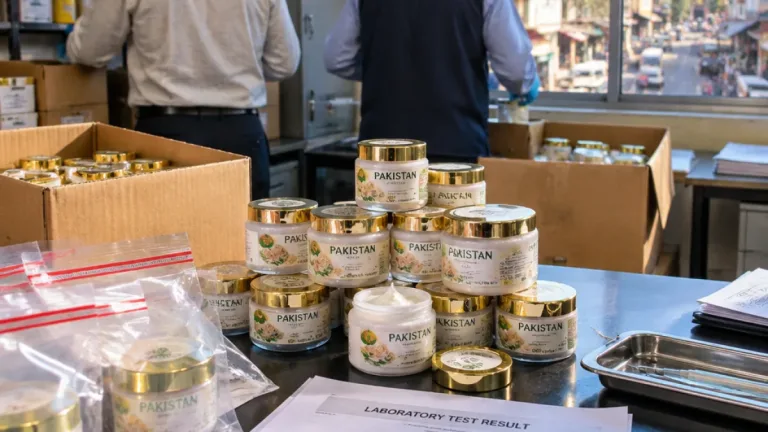
The Punjab Chemists Association has directed its nearly 27,000 members to cease dispensing certain controlled drugs, including brands that contain pregabalin, and to return existing stocks to wholesalers and distributors by the end of the month. Retail groups say wholesalers have already begun returning consignments to manufacturers, and some retailers have emptied their shelves rather than risk action by enforcement agencies.
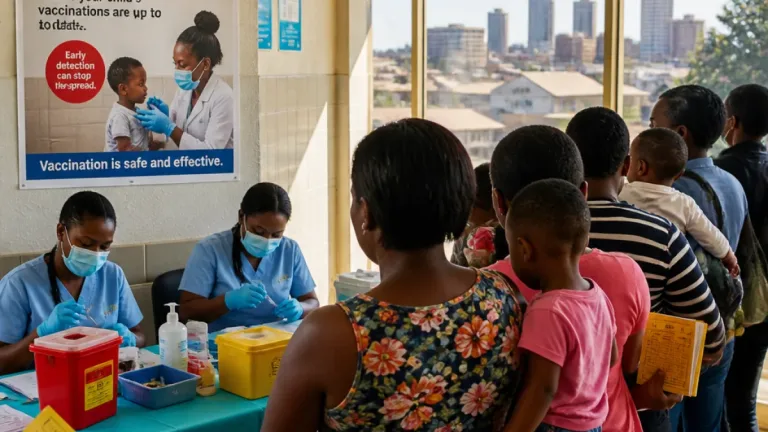
For 65-year-old Sandeep Sharma of Ropar, who receives treatment for diabetes and neuropathy, the change has meant an abrupt interruption of medicines prescribed during consultations at a private hospital in Mohali. He is among many patients who now find local pharmacies unable or unwilling to issue prescribed drugs, even when carrying valid prescriptions.
Pharmacies cite fear of raids and legal exposure
Representatives of chemists’ bodies said the decision followed a series of raids and stricter checks after the murder of anti-drug activist Parminder Singh Jhota. Pharmacy executives described a climate in which shopkeepers prefer to return stocks or suspend sales rather than risk punitive action.
"Many patients with genuine prescriptions were being turned away at retail counters," said Karan, an executive member of the Chemists Association.
Gurjit Singh Lucky, president of the Retail Pharmacy Association, said wholesalers and retailers had begun returning stocks to pharmaceutical companies. He noted that Patiala alone has around 300–325 shops affiliated with his association, in addition to pharmacies linked to another chemists’ body.
Which medicines are affected
Pharmacists say they have halted sales of around eight to nine categories of medicines. Under prevailing regulations, certain preparations that contain opioids or other controlled substances require special handling and documentation. Among the drugs explicitly named by patients and pharmacy representatives was pregabalin; retailers said brands such as Mylogen PG have been withdrawn from sale in several shops.
| Issue | Impact |
|---|---|
| Return of stocks to wholesalers | Retail outlets depleted; patients unable to obtain refills |
| Suspension of supplies by distributors | Longer-term shortages expected if supply chain remains halted |
| Enforcement raids | Retailers fear legal action and choose caution over dispensing |
Practical consequences for patients
Physicians and pharmacy associations warn that an abrupt stop in access to prescribed medicines can have clinical consequences for patients with neuropathy, chronic pain and other conditions managed with these formulations. Many patients who obtain follow-up medicines locally after initial treatment at tertiary centres such as PGI Chandigarh are now returning home without their regular drugs.
- Patients report being turned away even with valid prescriptions.
- Chemists are returning stocks to wholesalers and distributors.
- Wholesalers are in some cases returning stocks to manufacturers, thinning the supply chain.
Pharmacy leaders acknowledged that genuine patients are suffering but emphasised that shopkeepers feel they have little choice. The stepped-up enforcement followed high-profile incidents linked to the illicit sale and diversion of prescription medicines.
Calls for clearer guidance
Health advocates say the current situation underscores the need for clear, targeted guidance from state authorities so that enforcement against illicit trade does not inadvertently deprive legitimate patients of required treatment. Without such measures, vulnerable patients — elderly people and those with long-term conditions — risk treatment interruptions that could aggravate their conditions.
At present there has been no public statement from the state health department in response to the chemists’ directive. Pharmacists have asked for precise lists of banned items, protocols for lawful dispensing, and assurances about enforcement thresholds so they can resume serving patients without fear of reprisal.
As enforcement continues, patients, doctors and pharmacy bodies are seeking urgent dialogue with officials to restore access for those with legitimate needs while keeping illegal diversion under check.
Harjit Oberoi is the correspondent covering health and public policy in Punjab.