A decision with provincewide consequences
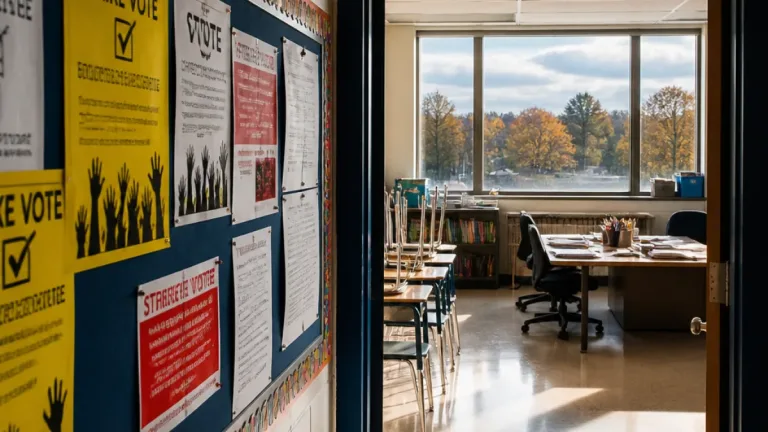
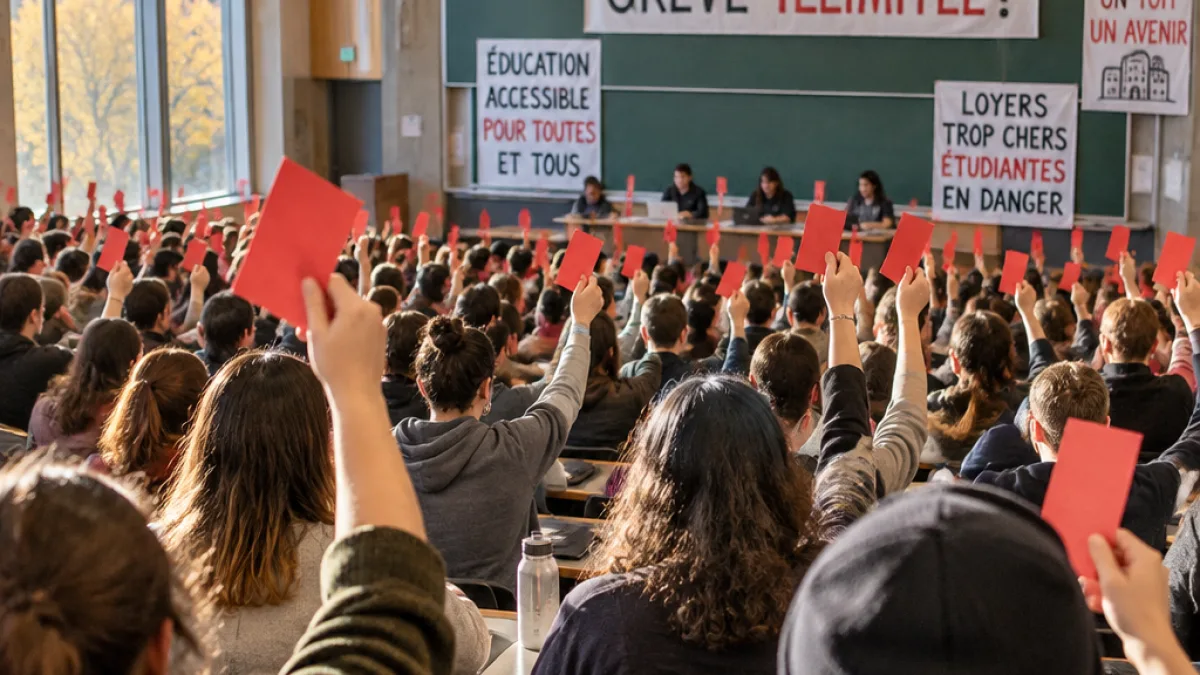
Quebec college and university students gathered in Montreal on Saturday to consider whether to begin an indefinite strike during the winter semester, escalating a campaign focused on affordability, student financial aid and funding for higher education.
The meeting was held at the Université du Québec à Montréal, where a general assembly began in the early afternoon. Members of the Coalition de résistance pour l’unité étudiante syndicale, the coalition organizing the action, said the assembly was intended to determine the movement’s next steps and gauge support for a walkout without a fixed end date.
The outcome is not expected to be released immediately. Coalition members said the vote results will be presented at a news conference Monday morning, leaving students, institutions and the provincial government waiting to see whether the latest mobilization will broaden into a longer disruption of classes.
Students say waiting has not brought relief
Elki Mercier, the coalition’s co-ordinator, told reporters before the assembly that the gathering was about deciding what students themselves wanted to do next. The discussion follows a five-day provincewide strike from Nov. 9 to Nov. 13, when several thousand post-secondary students stopped attending classes to press for changes to financial aid and more public funding for colleges and universities.
For organizers, the latest vote reflects a belief that the concerns raised during that earlier action remain unresolved. Mercier said students have heard promises of reform for decades while continuing to face financial pressure during their studies.
“For 40 years, we’ve been told that there will be reforms, that there will be improvements. The time for patience is over. We must act, and we must act now.”
Her remarks frame the dispute as more than a short-term disagreement over one policy announcement. The coalition is presenting affordability as a current barrier to education, rather than an issue that can be postponed while governments develop longer-term measures.
A new minister asks for more time
The student gathering came as Quebec’s newly elected Minister of Higher Education, Elsie Lefebvre, sought to lower tensions during a visit to Montreal on Friday. Lefebvre said the government has commitments that correspond with parts of the students’ agenda, including support related to internships.
She also said the government intends to review student financial aid and make announcements concerning student housing. Lefebvre said she had already met with some student associations since taking office and invited further discussions.
“We have commitments that align with their demands, particularly on funding for internships. We want to review financial aid and we also have announcements that will be made, namely on student housing.”
The minister’s appeal was for students to allow the government time to work through those files. She also said her door was open to student representatives. That message, however, did not persuade all organizers, who argue that the financial difficulties students describe are happening now and cannot be addressed through assurances alone.
What is at stake for the winter semester
An indefinite walkout would raise immediate questions for students and institutions across Quebec, although the source material does not establish whether a strike mandate would apply to every campus or how participation would be organized. The decision is being considered through a coalition-based process, and the Monday announcement is expected to clarify the scope of the result.
The dispute touches several connected parts of post-secondary life:
- Student financial aid: organizers are calling for reform, while the minister says the government plans to review the system.
- Internships: the government has identified internship funding as an area where its commitments overlap with student demands.
- Housing: Lefebvre said announcements on student housing are forthcoming.
- Institutional funding: students are seeking increased support for higher education institutions.
These issues also carry a distinct Quebec context. Student associations are using French-language organizing and labour-movement vocabulary, while the debate is unfolding within a provincial higher-education system that includes both colleges and universities. The coalition’s name itself reflects an effort to unite student groups around collective action rather than isolated campus campaigns.
A movement extending beyond Quebec
The renewed mobilization is taking place alongside a broader international wave of student discontent, described by organizers as particularly visible in France in recent weeks. That comparison does not determine what Quebec students will decide, but it places the local campaign within a wider debate over the cost of education and the economic pressures facing young people.
For now, the central question is whether the November walkout was a limited warning or the beginning of a longer confrontation. Saturday’s assembly was designed to answer that question through a formal student vote, with the result to be made public on Monday.
Until then, both sides are emphasizing different timelines. The government is pointing to planned reviews and future announcements, while student organizers say the need for affordable studies is immediate. The next stage of the dispute will depend on the vote and on how participating associations interpret its mandate.