BISMARCK, N.D. — Backers of Measure 1 argue the proposed rule that would require at least 60% voter approval to amend the state constitution is a needed safeguard against what they see as coordinated efforts by outside groups to place an abortion-rights amendment on the ballot.
What supporters say
Organizations including North Dakota Right to Life and several state Catholic bishops have publicly urged voters to approve Measure 1. State Sen. Janne Myrdal, R-Edinburg, a prominent anti-abortion voice in the Legislature, told reporters she expects the Washington, D.C.-based Fairness Project or another out-of-state organization to mount a campaign aimed at placing an abortion-rights measure before North Dakota voters in 2028.
“That is their stated intention, and that’s been their intention all along, is from what we’re seeing now,” said Myrdal.
Supporters point to language on the Fairness Project’s website and campaign activity in other states as evidence the group would pursue reproductive-rights initiatives here if conditions align. They say a 60% threshold would raise the bar for constitutional changes and thereby reduce the likelihood of a successful out-of-state-funded effort to add abortion protections to the North Dakota Constitution.
Opponents raise concerns about minority veto power
Critics of Measure 1 counter that the change would make it significantly harder to pass any constitutional amendment, not just those concerning abortion. Their argument centers on democratic access: a higher approval threshold means a relatively small minority of the electorate could block measures that attract broad but not supermajority support.
Opponents also point to the practical effects on future ballot campaigns, arguing that measures dealing with issues such as minimum wage, paid sick leave or other reforms could be stalled by the new threshold.
Outside spending and the Fairness Project
The Fairness Project has been active around Measure 1. Campaign finance filings show the group has spent more than $1.6 million to oppose the measure, according to reports current as of Friday. The organization did not immediately respond to emails from the North Dakota Monitor seeking comment.
The Fairness Project’s own materials have highlighted wins in other states and suggested continued focus on ballot initiatives in conservative jurisdictions. Its website includes the statement,
“We’re running progressive policies in red states — and we’re winning.”
The group’s 2023-2024 impact report referenced a previous North Dakota ballot fight: supporters there defeated a 2024 Measure 2 — a separate proposal that would have imposed multiple new restrictions and procedural hurdles for constitutional amendments. The report noted a 57% vote in that contest and framed the result as a strategic success for the group’s long-term agenda.
| Item | Figure |
|---|---|
| Fairness Project spending to oppose Measure 1 | $1.6 million+ |
| Vote percentage cited in 2024 Measure 2 reference | 57% |
Local impact and political stakes
North Dakota currently enforces a near-total ban on abortion. Proponents of Measure 1 frame the proposal as a protective measure that would insulate state constitutional language from rapid change driven by well-funded external campaigns. That line of argument resonates in conservative circles that have sought to limit the influence of national advocacy organizations on state-level policy.
Opponents see broader consequences. Raising the constitutional amendment threshold would affect campaigns across the ideological spectrum, potentially locking in policy outcomes by raising the hurdle for reformers even when a majority of voters endorse change. That could reshape how interest groups, both inside and outside the state, plan and finance petition drives and ballot efforts.
What voters should know
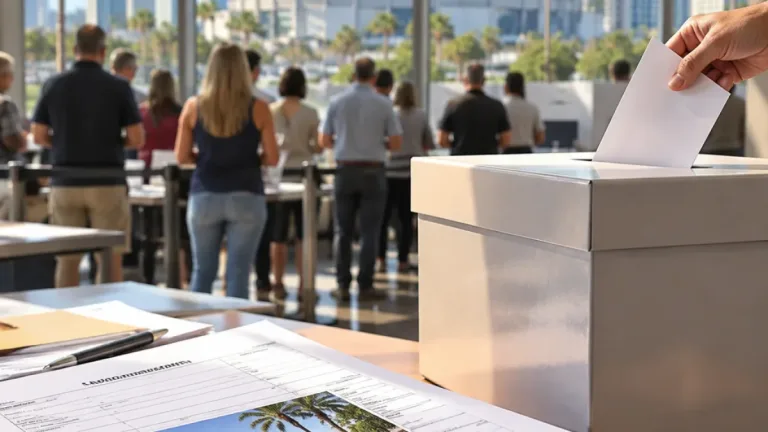
- Measure 1 would require a 60% affirmative vote to pass any constitutional amendment.
- Major national groups are already spending in the contest; filings show more than $1.6 million by the Fairness Project opposing Measure 1.
- Supporters say the measure would block potential abortion-rights initiatives; opponents say it would give a minority of voters an effective veto over constitutional change.
As North Dakotans prepare to vote, the campaign reflects wider tensions between local control and national political organizing. How voters weigh the trade-offs between protecting the constitution from rapid change and preserving access for future reforms will determine the state’s procedural rules for constitutional amendments going forward.
Reporting for this article relied on campaign finance filings made public as of Friday and statements from local elected officials and advocacy groups as reported by Valley News Live and the North Dakota Monitor.