A new mayor-elect for St. Petersburg
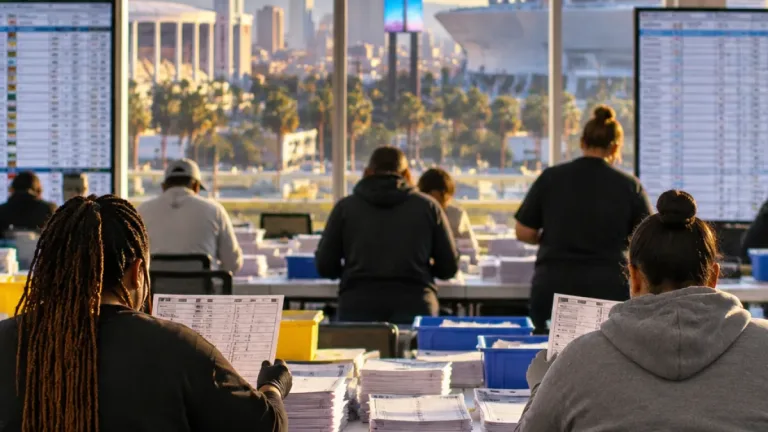
St. Petersburg voters chose a familiar figure from Florida politics to lead the city, handing former Gov. Charlie Crist more than 60% of the vote and defeating incumbent Mayor Ken Welch in Tuesday’s election. The result gives Crist another title in a long public career that has included serving as Florida governor, attorney general and a U.S. congressman.
The victory represents a change in leadership for a city facing a range of high-stakes decisions. The campaign centered on the cost of living, housing affordability, storm preparation, infrastructure and the future of the former Tropicana Field site. It also unfolded as St. Petersburg considers how to manage growth and development while residents worry about whether they can continue to afford life in the city.
Affordability becomes an early test
In remarks after the election, Crist returned to one of his clearest campaign commitments: reducing the financial pressure on city residents. He said he would seek to lower property taxes by $15 million each year, describing the reduction as a first step toward making St. Petersburg more affordable.
“That’s how we start making it more affordable. They need it. They’re struggling.”
Crist’s promise comes as residents describe prices rising sharply over time. Jameika Williams, who has lived in Florida for many years, said she has watched costs increase dramatically. Alison Bearnarth said her concern extends beyond her own household: Her adult children are 32 and 29, and she worries about whether they will be able to afford to remain in the area.
- Property taxes: Crist pledged an annual $15 million reduction.
- Housing and living costs: Residents identified affordability as a pressing concern.
- Major development: The former Tropicana Field site remains part of the city’s policy landscape.
- Baseball’s future: Crist said he would explore ways to keep the Tampa Bay Rays in St. Petersburg.
The Rays question remains unresolved
The city’s relationship with the Tampa Bay Rays was another defining issue in the campaign and will now be part of the new administration’s agenda. Crist said he intends to examine possible ways to keep the team in St. Petersburg, emphasizing that an effort is worthwhile even if the outcome is uncertain.
“You don’t know unless you try, and I’m a never-give-up kind of guy.”
He also argued that the team belongs in the city because St. Petersburg built the stadium. His comments set an early expectation for the incoming administration, although the available election account does not identify a specific plan, financing structure or timetable for keeping the Rays in town.
A leadership transition amid major decisions
Welch had campaigned for a second term on continuing redevelopment work and addressing rising expenses for residents. The broader race also focused on infrastructure improvements, storm preparedness and redevelopment at the former Tropicana Field property. Crist presented his public-service background as a reason to pursue a different approach, highlighting fiscal responsibility and economic growth.
| Issue | What the campaign emphasized |
|---|---|
| Affordability | Property-tax relief and attention to rising costs |
| Rays | Exploring options to retain the team in St. Petersburg |
| City development | Infrastructure, storm readiness and the former Tropicana Field site |
During his victory remarks, Crist thanked Welch for his service to St. Petersburg. The transition now places the mayor-elect at the center of questions that reach well beyond election night: how to deliver the promised tax reduction, how to respond to residents’ affordability concerns and how to guide the city through major development decisions. For voters such as Williams and Bearnarth, the new administration’s success will be measured in whether St. Petersburg remains a place where families can continue to live, work and stay connected.