The council has launched a six-week public consultation on a 200-page draft local plan that sets out how Solihull might develop up to 2043. The plan, which councillors agreed should progress to consultation at a full council meeting earlier this month, proposes delivering 23,091 homes and seeks to reflect recent national changes to planning policy, including updated housing targets and amendments to green belt rules.
What is being consulted on
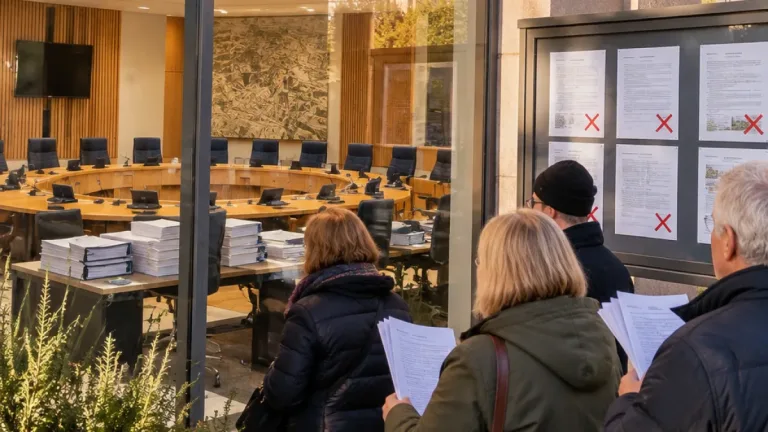
The consultation, which runs for six weeks from Monday 26 October, asks residents and other stakeholders to comment on whether the draft plan is legally compliant and sound under national planning requirements. All representations made during this period will be submitted alongside the plan for consideration at an examination in public (EiP) — the formal scrutiny stage before a local plan can be adopted. An inspector appointed on behalf of the government will oversee that process.
Council leaders argue the accelerated timetable is intended to prevent speculative development applications and to secure greater local control over where growth happens. Councillor Andy Mackiewicz, the council’s portfolio holder for climate change and planning, warned the area could otherwise become a "free-for-all" for developers with more speculative proposals emerging should the plan not progress.
"The plan seeks to help us do everything we can within the planning system we have to protect the character and identity of Solihull."
The council’s leader, Councillor Karen Grinsell, has said the document is intended to use the powers available within the current planning system to safeguard Solihull’s character and identity. At the same council meeting, opposition councillors described the draft as "imperfect" and criticised the rapid timeline that has been adopted in response to changes in national deadlines.
Timescales and what happens next
The government has set a deadline of 31 December for plans formed under the previous system to be submitted for examination. The council says it is pursuing submission before that date.
- Consultation period: 6 weeks (from 26 October)
- Plan period: to 2043
- Planned housing supply: 23,091 homes
| Item | Detail |
|---|---|
| Draft document length | 200 pages |
| Consultation start | 26 October |
| Government submission deadline | 31 December |
Representations received during the consultation will be added to the material the inspector considers at the EiP. That examination is a key stage: only after it concludes can the plan be adopted and form the statutory basis for planning decisions across the borough.
Local groups and residents will be weighing the trade-offs that the draft sets out. The plan seeks to reconcile delivering a substantial number of new homes with protecting green belt and the distinct identity of Solihull. The draft reflects recent national policy changes, but critics say the speed of production has limited opportunities for fuller local engagement prior to the consultation launch.
For many Solihull residents, the issues at stake are immediate and practical: where new housing will be located, what infrastructure will accompany growth, and what protections will be in place for green spaces and established neighbourhoods. The consultation therefore represents a critical window for people to make their views known before the examination process begins.
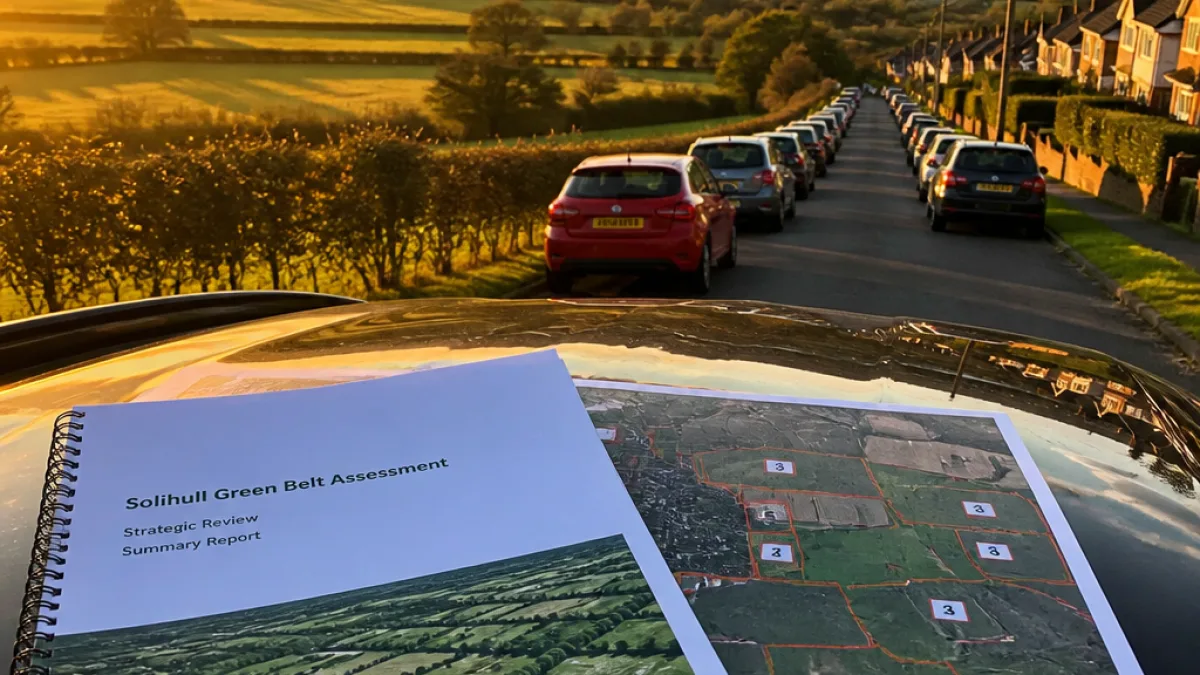
The council has published maps showing proposed housing locations and green belt sites alongside the draft plan. Responses submitted during the consultation will be publicly recorded and included in the evidence base considered by the inspector during the EiP.
Those wishing to respond should consult the council’s published documents and submit representations within the six-week period that begins on 26 October. The outcome of the examination will determine whether the borough adopts the plan and how development across Solihull will be managed over the coming decades.