VIJAYAWADA: The Vijayawada Municipal Corporation (VMC) has activated its departments and assigned staff to emergency duties as Cyclone Akwan is expected to affect the region. The civic body’s preparations are focused on limiting rainfall-related disruption, preventing waterlogging and ensuring that residents in vulnerable locations can be moved to safer areas if necessary.
In-charge VMC commissioner A Ravindra Rao issued duty orders on Tuesday, distributing responsibilities among officials and employees from different departments. The instructions require the civic administration to remain prepared for emergencies and maintain coordination until the impact of the cyclone subsides.
Drainage and vulnerable areas under watch
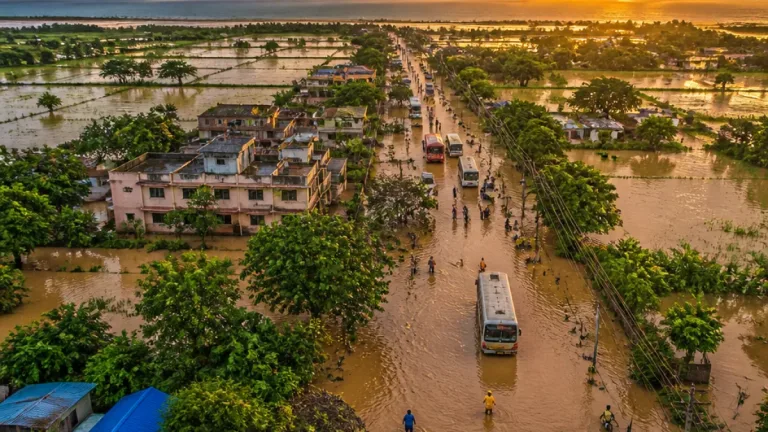
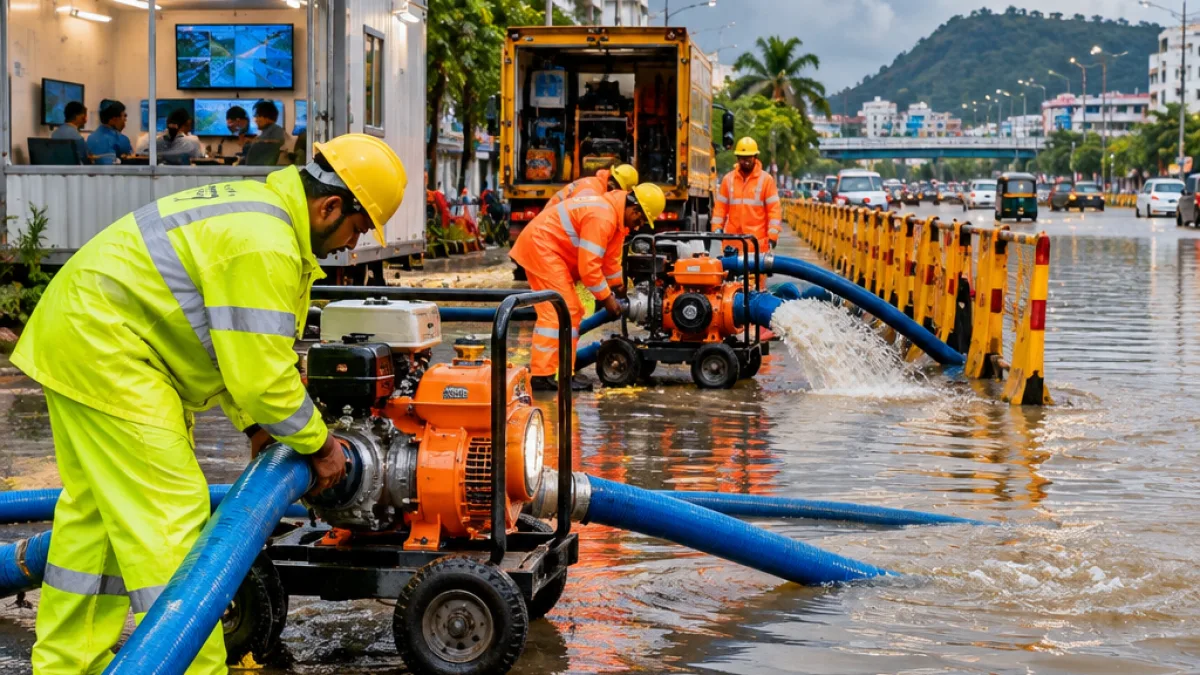
Officials have been asked to pay particular attention to major roads and low-lying parts of the city, where accumulated rainwater could affect movement and daily activity. The VMC has directed its teams to place pumps at locations where they are needed to remove stagnant water.
Regular field inspections have also been ordered. Field-level staff are expected to assess conditions and report developments as the weather situation evolves. The emphasis on continued monitoring is intended to allow the civic body to respond to waterlogging and other local problems without waiting for conditions to worsen.
- Major roads and low-lying areas: Officials have been told to monitor these locations for water accumulation.
- Drainage response: Pumps are to be deployed wherever stagnant rainwater needs to be removed.
- Field inspections: Staff must conduct regular checks and assess the situation.
- Public complaints: A round-the-clock presence has been ordered at the VMC control room.
Rehabilitation centres to remain ready
The civic body has instructed officials to keep rehabilitation centres prepared to accommodate people during an emergency. Residents living on vulnerable hill slopes and in low-lying areas are to be alerted about the cyclone and the precautions they should follow.
Officials have also been asked to identify people residing in such locations and shift them to safer places whenever required. The instruction places responsibility on field teams to maintain awareness of vulnerable households while the cyclone threat remains active. No fixed number of centres or evacuees was specified in the civic body’s directions.
| Preparedness area | Instruction to officials |
|---|---|
| Waterlogging | Watch major roads and low-lying areas; use pumps where required |
| Emergency accommodation | Keep rehabilitation centres ready |
| Resident safety | Alert vulnerable communities and move people when necessary |
| Complaint handling | Maintain round-the-clock staffing at the VMC control room |
Control room to operate continuously
A continuous staff presence has been ordered at the control room in the VMC headquarters. The facility will receive complaints from residents and facilitate their prompt redressal. This arrangement is intended to keep the civic response connected to problems reported from different parts of the city during the rainfall period.
Rao has directed all departments to work together and remain vigilant until the cyclone’s effects have passed. For residents, the instructions cover the main immediate concerns associated with the expected weather impact: access on major roads, drainage in low-lying areas, information for vulnerable communities and availability of emergency shelter.
The preparedness measures also have significance for the city’s wider economic activity. Disruption in roads and waterlogged localities can affect the movement of people, goods and essential services, while timely drainage and relocation can reduce pressure on households in exposed areas. The VMC’s current plan therefore combines field surveillance, emergency accommodation and complaint response rather than relying on a single department.